

The Glassette Winter Lighting Guide
When the sun clocks off at 4pm, your home needs a lighting plan and we’ve got just what you need! Winter is when your home starts telling on itself. That chair you love? Suddenly too dark to read in. Your kitchen? Weirdly clinical. Your living room? Technically fine, but somehow not somewhere you want to be. And then there’s the nightly ritual: you finish the last email, it’s pitch-black outside, and you switch on the ceiling light like you’re interrogating yourself. Welcome to the 4pm problem - when winter exposes lighting that was designed for seeing, not living. The fix isn’t complicated. It’s just… softer, warmer, and a little more layered than you think.


Why winter makes your lighting feel worse
In summer, daylight does the heavy lifting. In winter, everything unlit becomes a shadow and because you’re home more during dark hours, lighting becomes your atmosphere, mood, and sanity. Overheads have their place. But if your evening vibe is currently “big light + sigh”, you don’t need more lamps. You need a plan. Easy rule: Three light sources per room. Minimum. The one rule that changes everything: layer your lighting. If you only remember one thing: layered lighting makes a home feel warm, expensive and lived-in - even if you’re still eating dinner on the sofa. Think in three tiers:
Ambient: soft overall glow
Task: reading, cooking, working
Accent: depth, mood, “oh this feels nice”
A room with all three? You’ll stay up later - willingly.
Layer 1: Ambient lighting (the soft foundation)
Ambient lighting isn’t “bright” - it’s glowy. What works:
- multiple low-level lamps
- floor lamps with shades
- plug-in sconces (renters, we see you)
- dimmers everywhere you can manage
If you’re starting simple: anchor the room with a floor lamp that throws light upward, not directly at you. Begin here: https://www.glassette.com/category/lighting. Quick bulb note: 2700K warm. Avoid anything labelled “daylight” unless you’re lighting a garage.
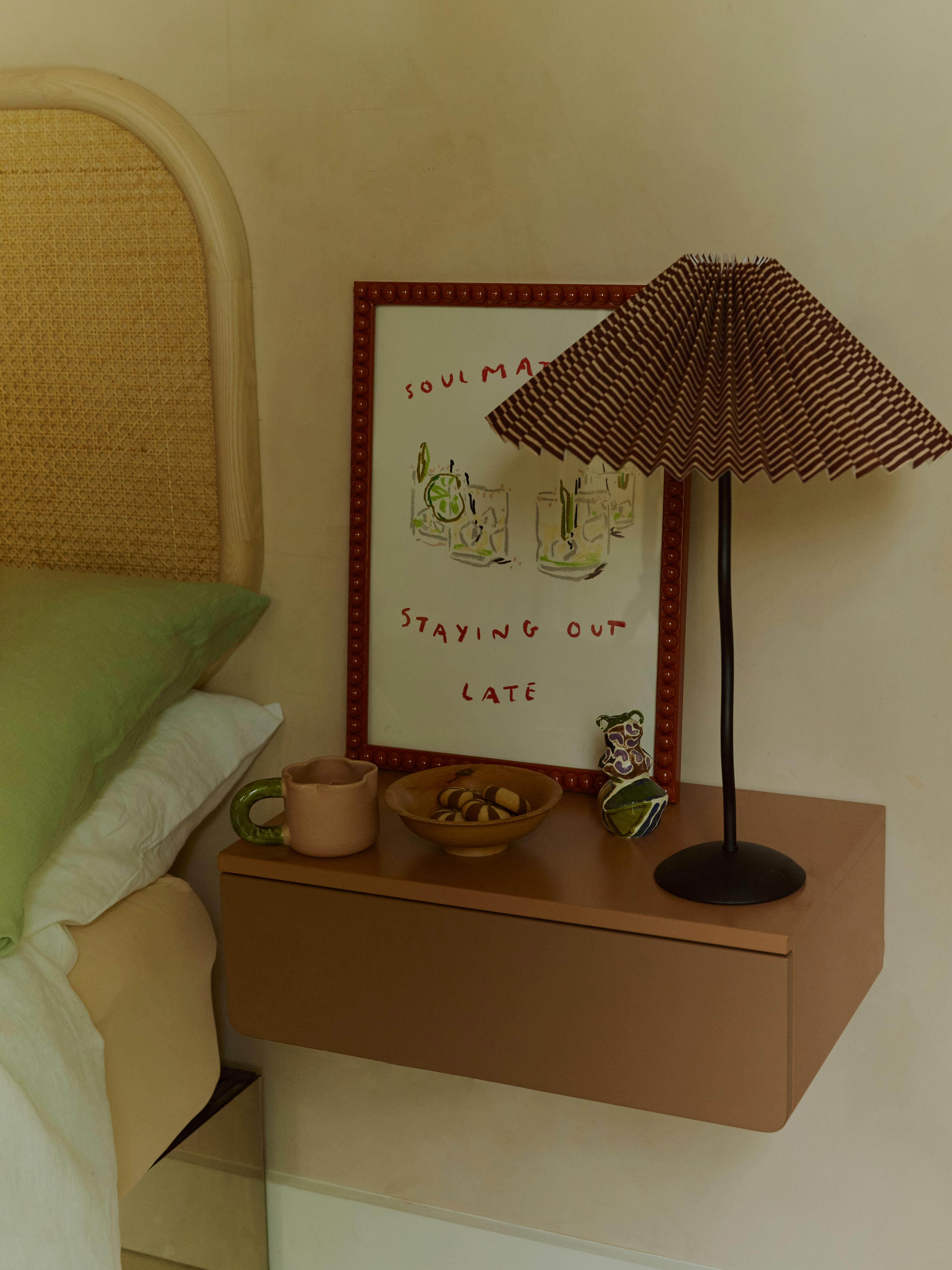

Layer 2: Task lighting
This is where winter really bites. If you can’t read, cook or work comfortably after 4pm, everything feels harder than it should. Living room: directional reading light that hits the page, not your face Kitchen: a small warm lamp on the counter = instant “this is a room again”. WFH corner: adjustable lamp + matte shade = less glare, more functioning human
Layer 3: Accent lighting
Accent lighting is what makes a home feel intentional - without trying. Use:
- tiny lamps on shelves
- picture lights
- uplighters behind plants
- candles (real or LED, no judgement)
The sneaky trick: light the corners you ignore. Winter shadows live there. One small warm lamp makes the whole room feel bigger.
The bulb briefing (important!)
You can own beautiful lamps and still hate your lighting if the bulbs are wrong. Warmth (Kelvin):
2200K–2700K: cosy (living rooms, bedrooms)
3000K: neutral warm (kitchen is fine)
4000K+: harsh (winter villain energy)
Brightness (lumens):
ambient lamps: 400–800
task: 800–1100
accent: 200–400
If you only do one thing: fix the 4pm switch-on moment
The biggest mistake is waiting until it’s dark, then turning on everything at once.
Cue: harsh light, sudden mood shift, and the feeling it’s bedtime at 4:12pm. Instead:
- turn on one lamp at 3:30–4pm
- keep overheads off unless needed
- use two small lamps rather than one big one
- add a plug-in dimmer if you can’t install one
Small habit. Huge payoff.
Winter isn’t the enemy. It’s just honest. It shows you where your home could be kinder - where it could hold you a little more gently at the end of the day.
Layer your lighting, warm up your bulbs, fix the 4pm moment - and suddenly winter evenings feel longer, calmer, and slightly more like a film where everyone has their life together.


