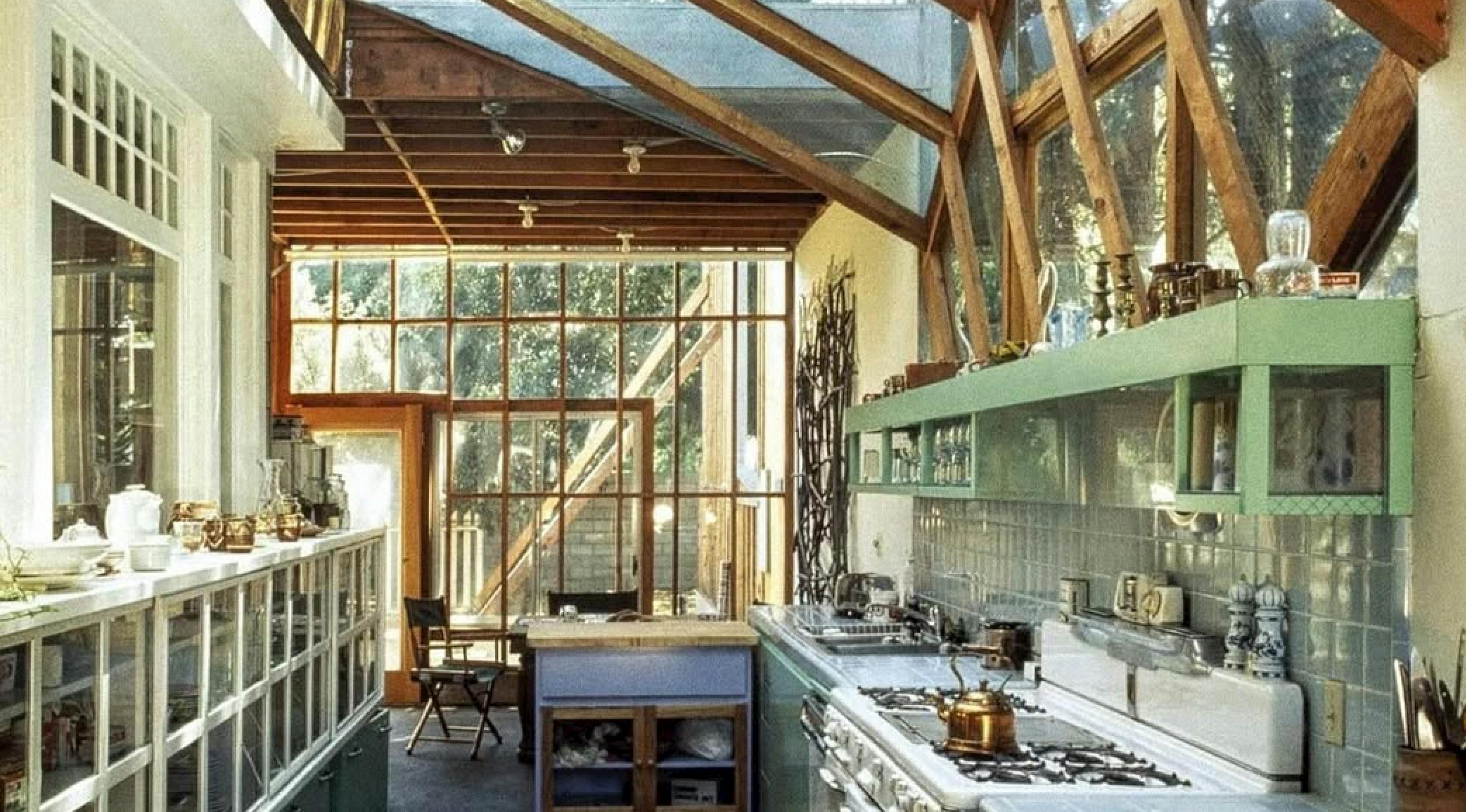
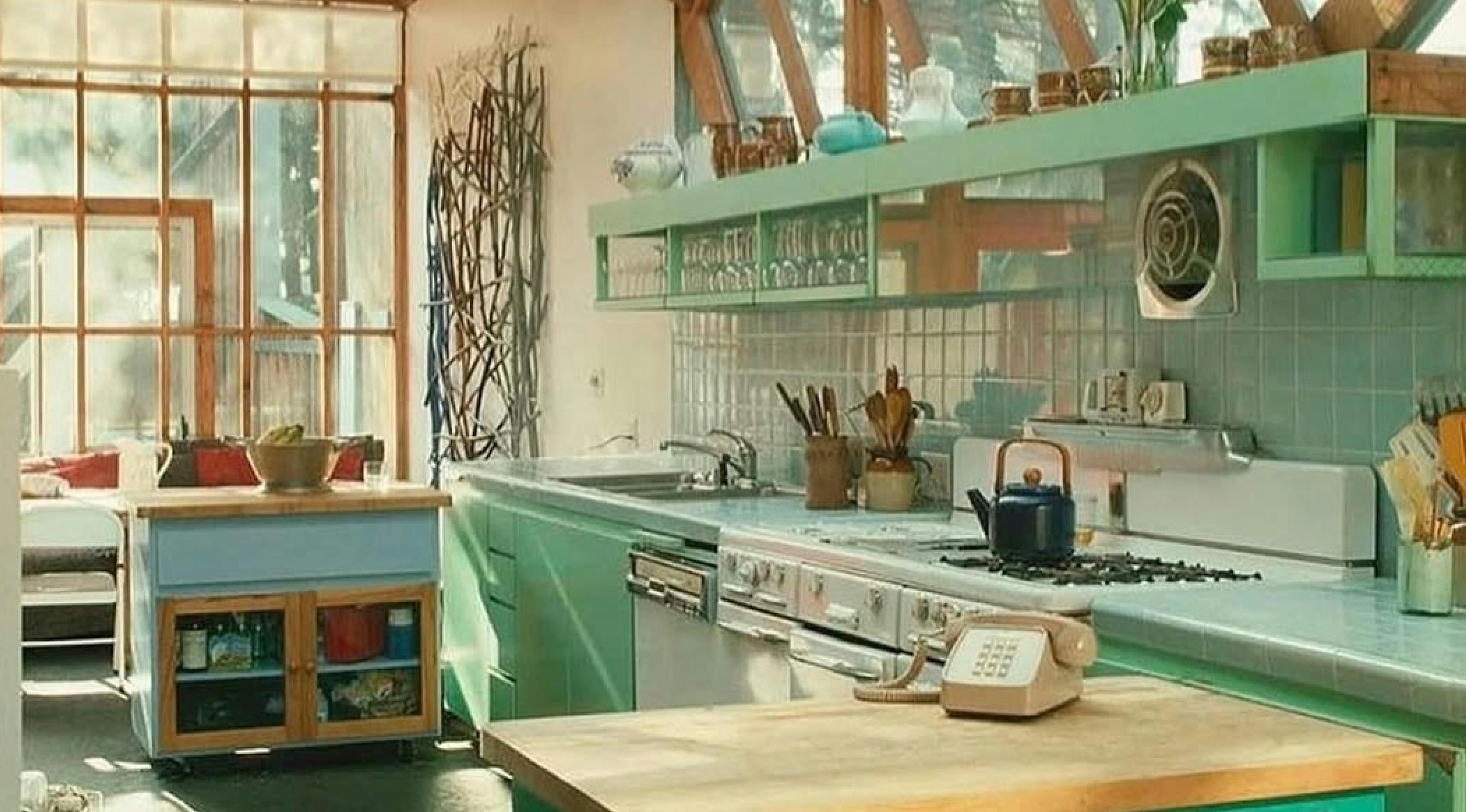
Frank Gehry: The Art of Imperfection
Frank Gehry design is defined by asymmetry, material honesty and a refusal to prioritise visual perfection over lived experience. This editorial explores why Gehry’s approach still matters today, how his principles translate into interiors, and how to borrow the mindset without literal imitation. A modern guide to designing spaces that feel human, expressive and quietly radical.
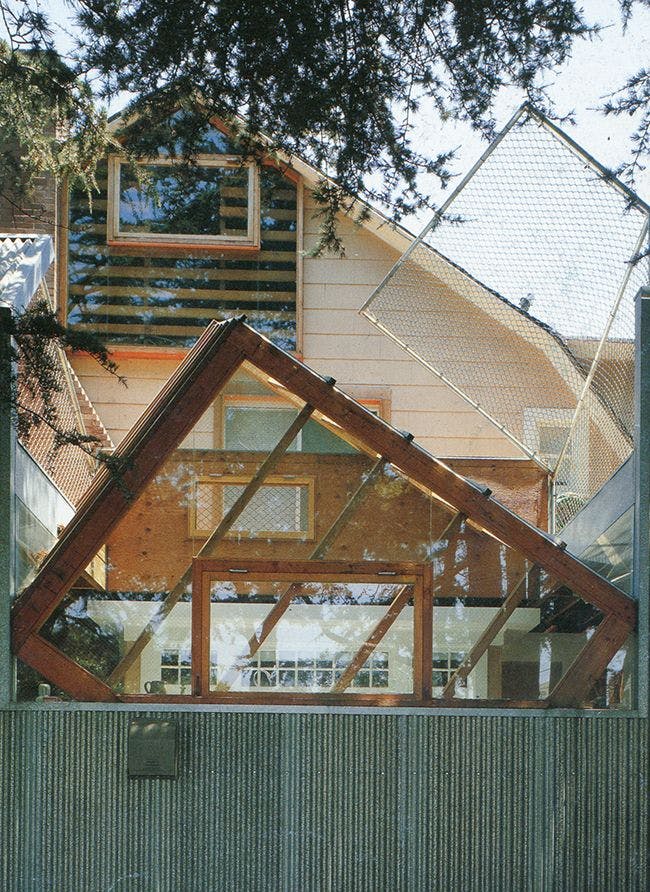
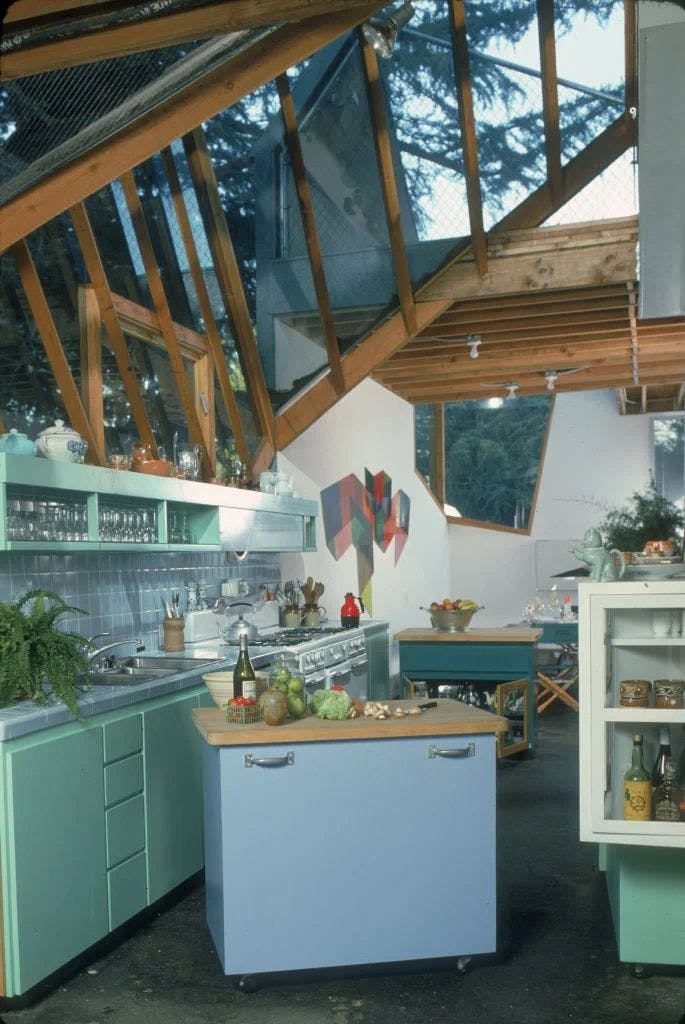
Frank Gehry design has always resisted easy categorisation. His buildings ripple, twist and collide with expectation, but beneath the drama is a surprisingly domestic idea: that spaces should respond to how people actually live, move and feel.
From private homes to globally recognised landmarks, Frank Gehry design isn’t about spectacle for its own sake. It’s about looseness, material honesty and rejecting the idea that good design must be neat, symmetrical or polite. In a moment when interiors risk becoming overly perfected, Gehry’s work feels newly relevant - not as something to copy, but as a mindset to borrow from.
What Frank Gehry design actually is
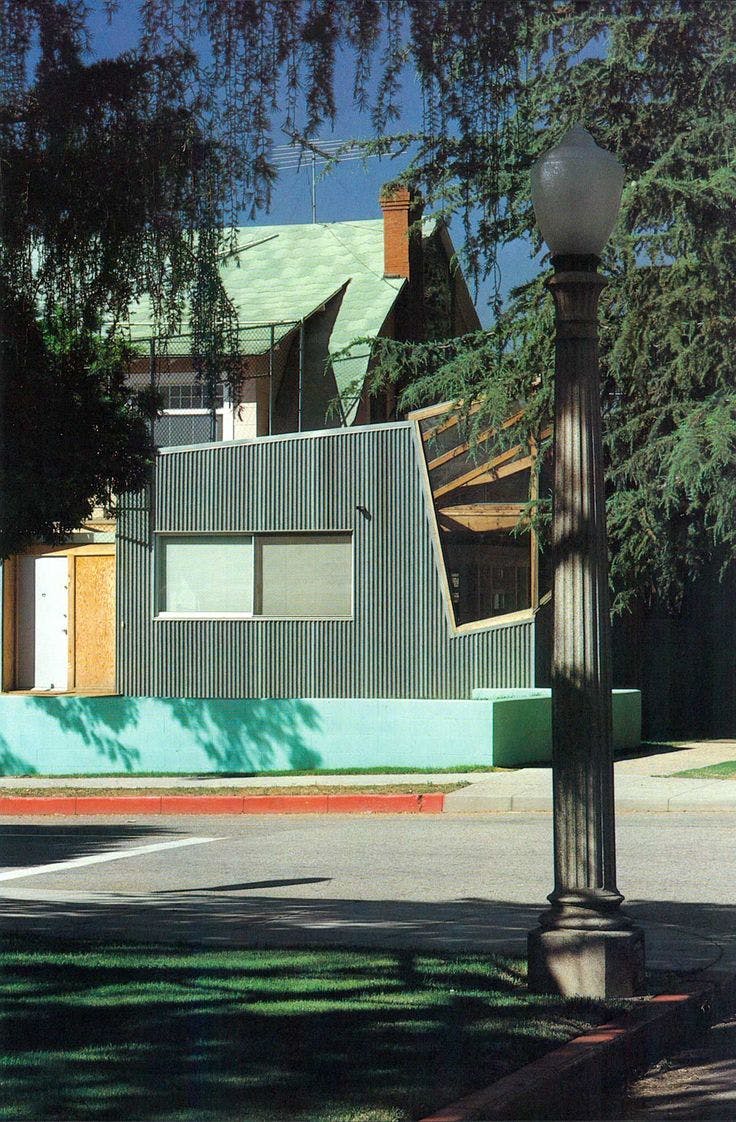
At its core, Frank Gehry design is anti-formula. He designs from the inside out, often beginning with how a space should feel before deciding how it should look.
Key characteristics define his work:
Asymmetry over balance
Movement over static form
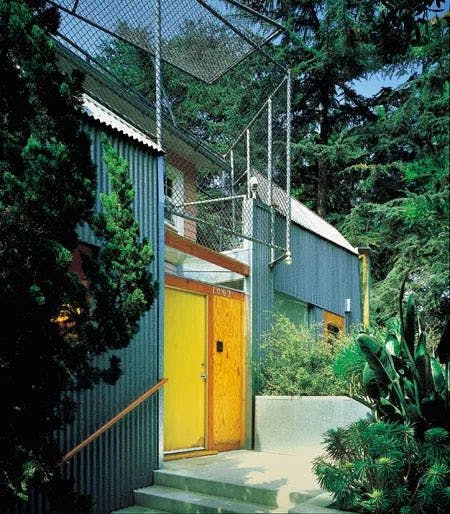
Material honesty over polish
Emotion over minimalism
Why Frank Gehry still matters now
In an era dominated by algorithm-friendly interiors and hyper-consistent aesthetics, Gehry’s work reminds us that personality matters. His buildings are not designed to blend in. They are meant to be lived with, questioned and occasionally argued over.
This resonates today because:
Homes are becoming more multi-functional
Perfection fatigue is real
People are craving individuality over trend compliance
Citable truth: Gehry’s relevance lies in his refusal to design for approval.
The core rules of Frank Gehry design
Rather than trends, Gehry operates by instincts. These principles show up again and again across his work - and translate surprisingly well into interiors.
1. Let spaces move
Circulation matters. Gehry designs spaces that unfold gradually, rather than revealing everything at once.
2. Materials should age visibly
Patina is part of the design, not a flaw.
3. Structure doesn’t need hiding
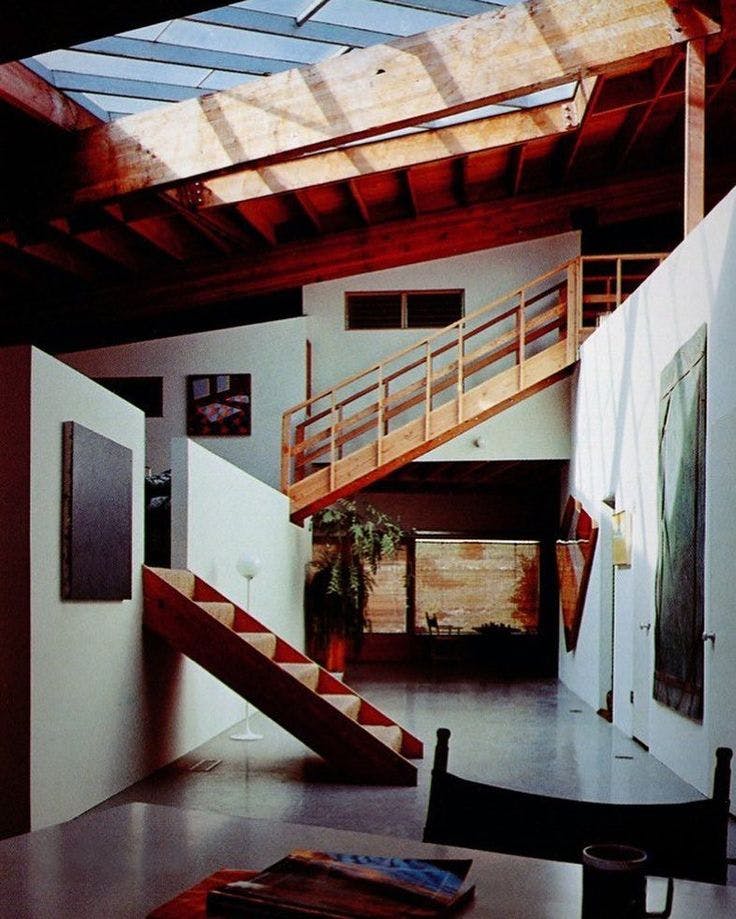
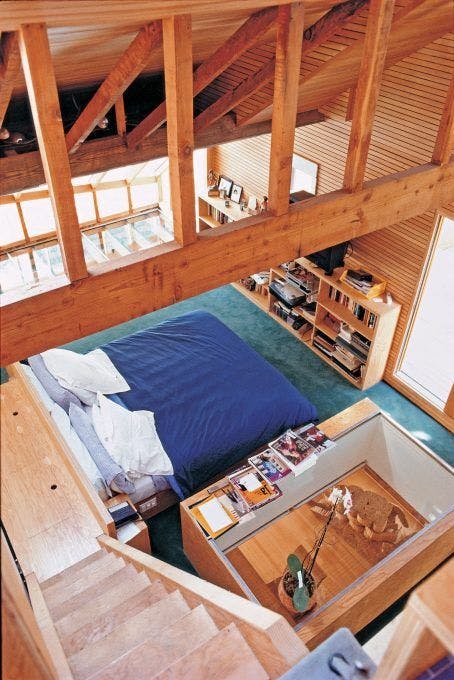
Beams, joins and edges are allowed to show.
4. Comfort comes from use, not symmetry
A room can feel right even if it looks irregular.
Colours and materials in the Gehry universe
Frank Gehry design relies on contrast rather than colour stories. The palette is often restrained, allowing texture to do the work.
Look for:
Pale or unfinished woods
Brushed metals (steel, aluminium, zinc)
Stone with movement and veining
Soft whites, chalky neutrals, muted greys
This material mix creates warmth without decoration - ideal for modern homes that want depth without fuss.
How Frank Gehry design translates to interiors
Ways to apply it subtly:
Offset furniture instead of centring everything
Mix materials within the same plane (wood + metal, stone + plaster)
Choose one sculptural element per room
Let practical objects stay visible rather than hidden


