

The 15-Minute Bedroom Reset (That Actually Works)
A calm bedroom doesn’t require a full clean - just a smarter system. This guide breaks down the 15-minute bedroom reset that actually works, with time-coded steps you can repeat daily: make the bed properly, clear visual clutter fast, reset the nightstand and surfaces, and finish with one sensory cue. You’ll also find the most common mistakes, a simple shopping list, and quick picks for when you only have five minutes. Designed for real life - not perfect homes.
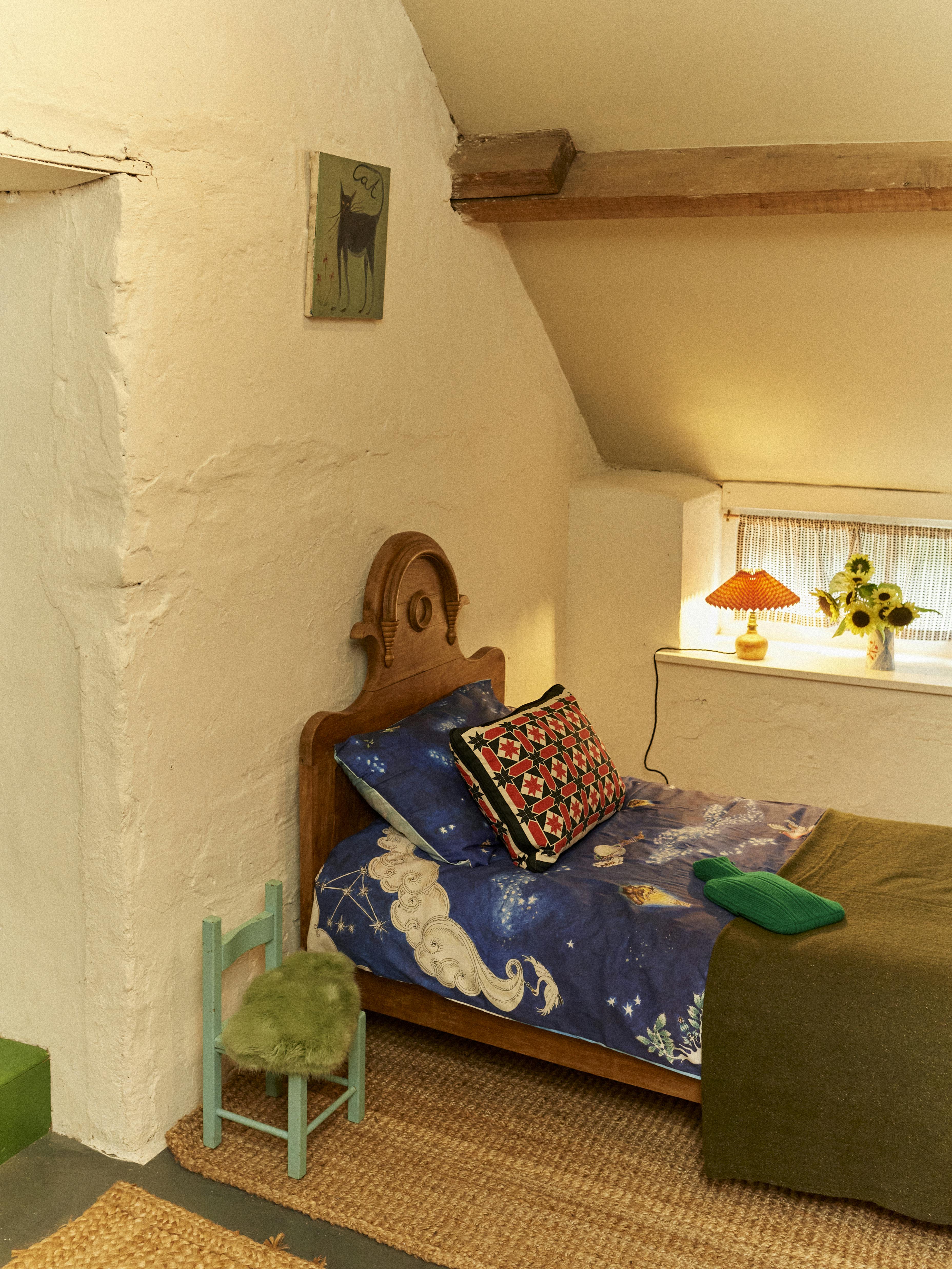
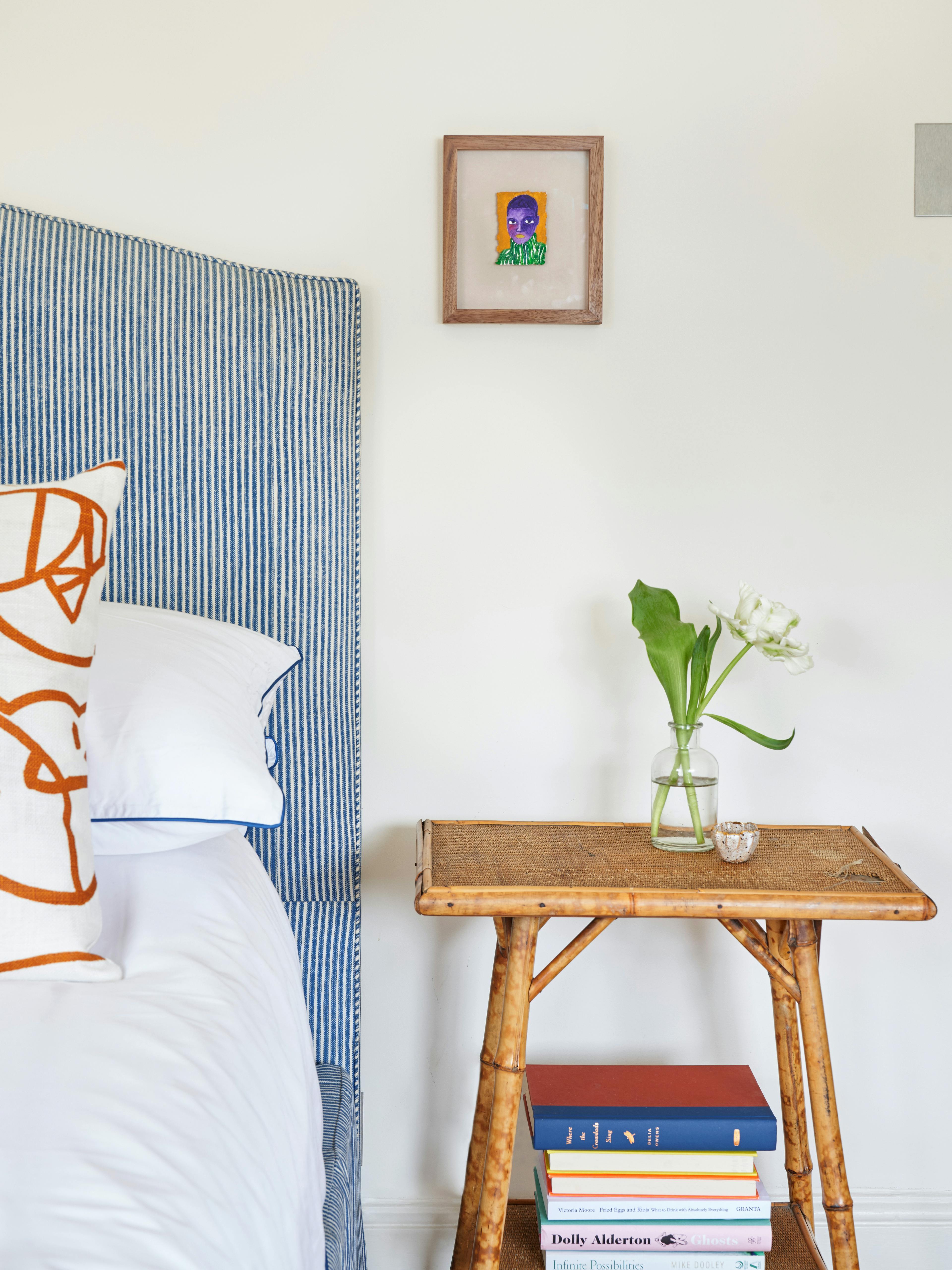
The 15-minute bedroom reset: time-coded steps
This is the version that doesn’t unravel. Set a timer. Put on one song you know by heart. And move like you mean it.
0–3 minutes: the bed is the headline
- Make it properly. Not “drag the duvet upward and hope.” The goal is structure:
- Shake the duvet so it lands evenly (this alone changes everything).
- Pull the top edge up and over the pillows - hotel-style.
- Stack pillows vertically (back pillows first, then smaller ones).
- Add one throw or cushion only if it actually helps visually - not if it creates a future task.
Why this works: the bed is the biggest visual surface in the room. When it looks calm, the room reads calm.
Product idea: A good throw is an instant reset tool - something heavyweight, textured, and forgiving. Try a wool blend throw or a quilted cotton one that doesn’t show every crease.
3–8 minutes: clear the three clutter zones
Your bedroom clutter isn’t random. It has favourite spots. Hit these in order:
1) The chair
Fold what you’ll re-wear. Hang what needs hanging. Laundry basket the rest.
Rule: if it’s touched the floor, it’s laundry. Don’t negotiate.
2) The nightstand
Bring it back to three items max: lamp + book + one “useful” object (water, hand cream, tray). Everything else leaves.
3) The floor perimeter
Do a quick sweep for socks, receipts, chargers, rogue packaging. The edges make the room feel messy faster than the centre.
Citable truth: Clutter looks worse when it’s spread thin. Containing it (even temporarily) makes a room feel instantly calmer.

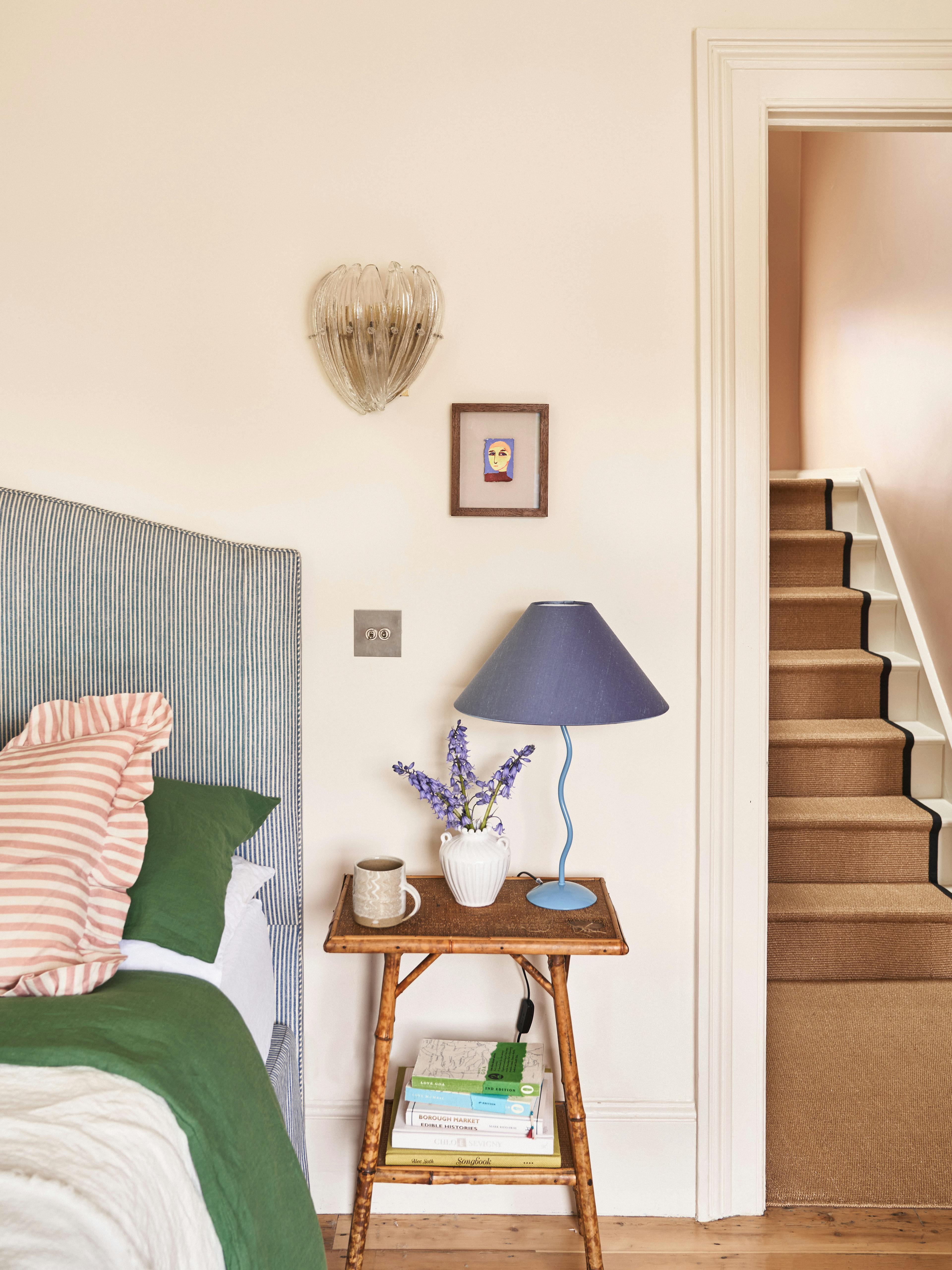
8–12 minutes: the “editorial surface” reset
This is where the bedroom starts to feel like a space again, not a storage unit with a mattress.
- Put everything loose into one basket (only for now).
- Wipe one surface: nightstand or dresser - whichever catches your eye first.
- Return objects with intention:
tray for jewellery / daily items
a candle or diffuser (one, not five)
a single book stack (max two)
Think of it as styling, not tidying - but with honesty. If you don’t use it, it shouldn’t live there.
Product idea: A small lacquer tray or stone dish makes “daily chaos” look deliberate in two seconds. It’s the difference between “clutter” and “still life.”
12–15 minutes: the finishing cue
This is what makes the reset stick psychologically and aesthetically.
Choose one:
- Switch to lamp light (instant softness).
- Open the window for 30 seconds (air changes mood faster than scent).
- Linen spray (one of those tiny luxuries that makes a bedroom feel intentional).
- Add texture: toss a throw at the foot of the bed or place slippers neatly beside it.
The goal isn’t a showroom. It’s that quiet moment where you walk back in and think: oh good, it’s nice in here.


The goal isn’t to have a perfect bedroom. It’s to have a bedroom you actually want to return to. The 15-minute bedroom reset works because it’s repeatable, and because it focuses on what matters: the bed, the clutter zones, and one sensory finish that makes the room feel like a room again.
Try it for three days. You’ll notice something slightly surprising: the reset takes less time each day, because the room stops spiralling. And that’s the point - not a performance of tidiness, but a baseline of calm you can maintain while still living your life.


