meta-pixel
Trending now
Slide 1 of 32
Slide 1 of 32
Slide 1 of 2
Food and Hosting

London’s Coolest Two-Week Takeover

25.02.2026

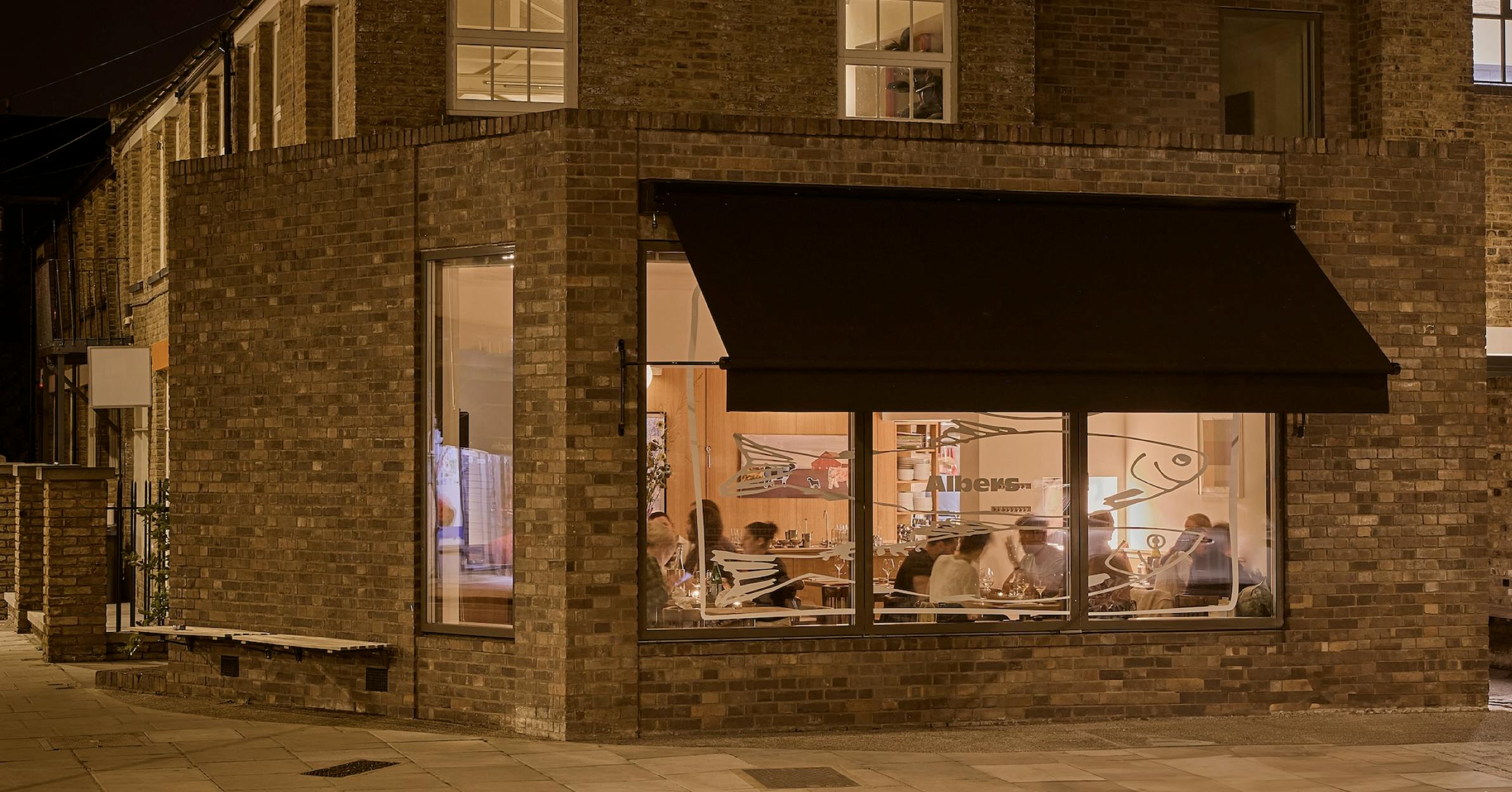
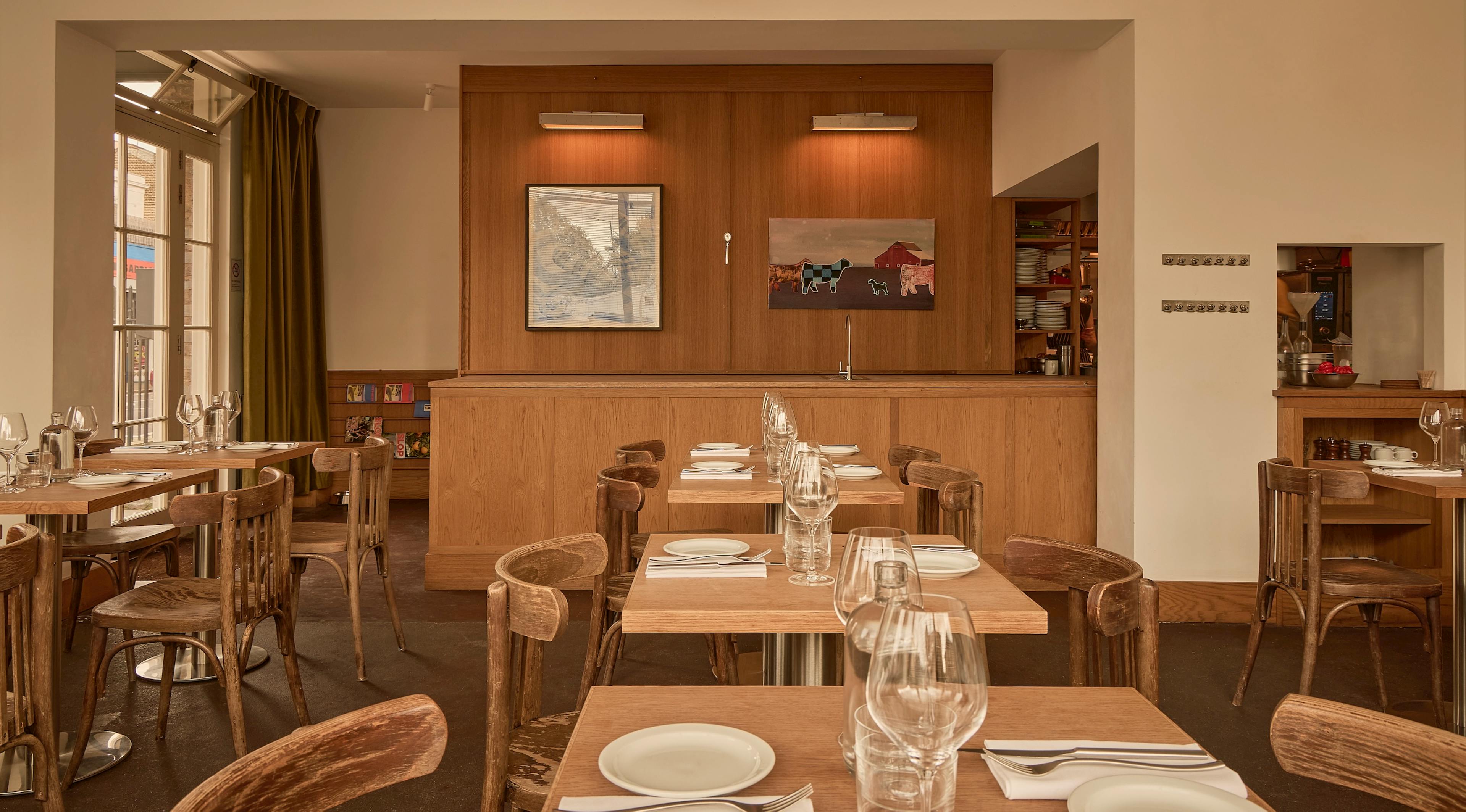
Spend five minutes with the teams behind Albers and Firangi, as Firangi takes over Albers’ De Beauvoir bistro for a two-week residency that feels less like a collision and more like a natural evolution.

Rooted in the rhythm of neighbourhood dining but alive with South Asian flavour architecture, the collaboration threads instinctive, produce-led British cooking through Firangi’s playful, expressive lens.

From masala scotch eggs to pork chop with kalu curry congee, the menu moves between memory and experimentation, generous plates designed to be passed around, lingered over, and talked about. We caught up with both sides to discuss shared philosophies of hospitality, the quiet art of balance, and why the best collaborations don’t dilute identity, they deepen it.

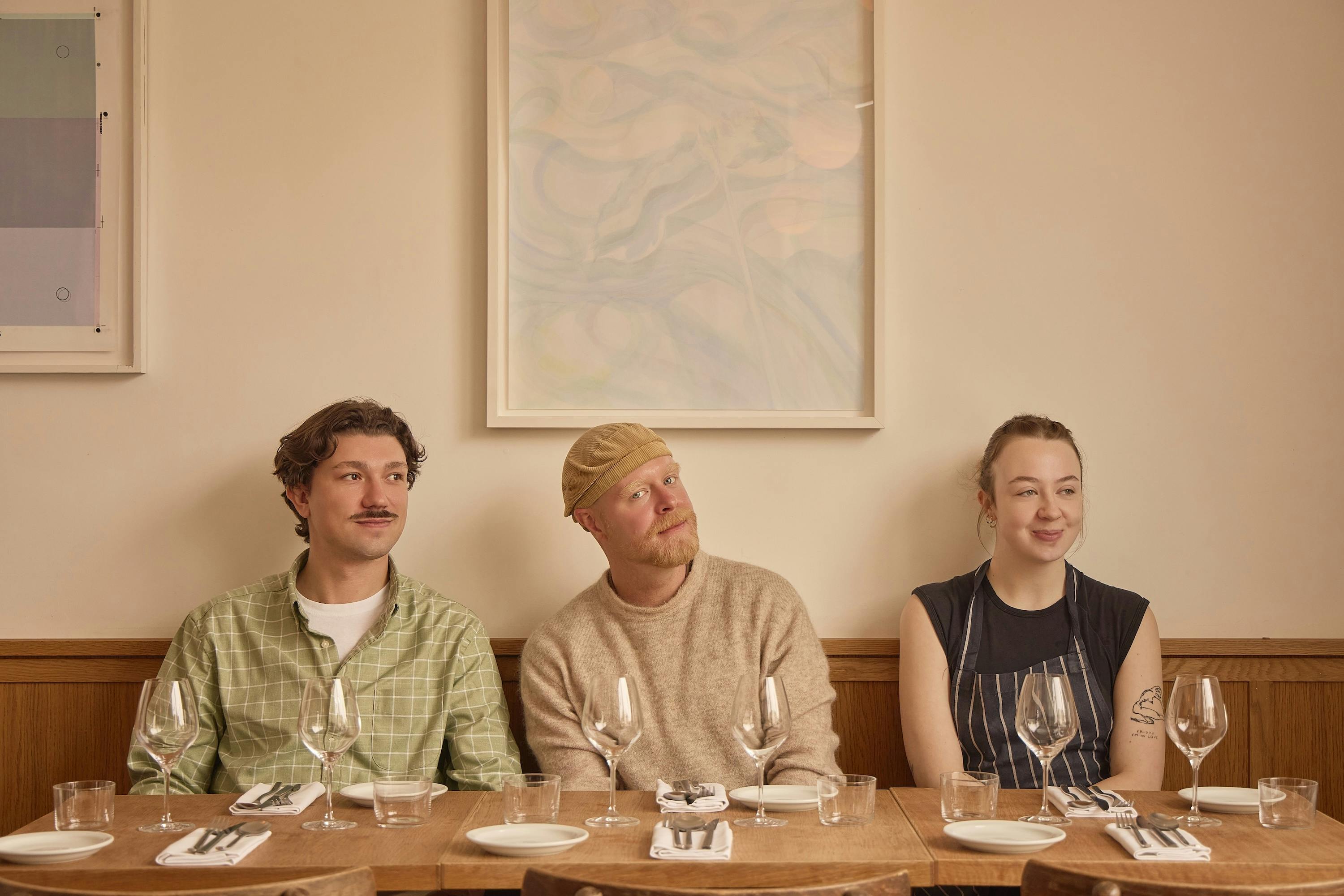
Image: Firangi
Image: Albers
Interview with Albers & Firangi
What initially drew you to one another? Was there a shared philosophy around flavour, hospitality or neighbourhood dining that made the collaboration feel inevitable?
Firangi - We’ve been locals in the area for a while and we’ve loved Albers since the minute they opened their doors. It’s a beautiful, intimate space and exactly the kind of spot we’d like to spend an evening at, catching up with friends over good food and good wine! For both sides, there’s an emphasis on guest experience - not rushing people out, letting them enjoy a meal and understand our story. That’s good hospitality. We’ve always said, we see a lot of Firangi in Albers - whether that’s design, energy or format of the menu. So we’re just excited to see this come together. Scott Pattinson - Albers - I couldn't agree more on this - I was first excited by Roo and Sims energy and approach to it all, I've always been more into the people before looking into what they of er, with a draft menu that made me want to eat it there and then, it had to happen. Further discussion just emphasised on us sharing all the same values in dining, and approach to hospitality. It's not often someone can look at our menu and perfectly translate it into something a. regulars can still feel familiar with but opening up new conversations on favours b. bringing a new crowd into the space through curiousity and the following Firangi have. Albers has always been about creating a room that can evolve without losing its character - so when a collaboration feels like a natural extension rather than an interruption, you know it’s the right one.
Albers is rooted in the idea of the modern bistro; Firangi is known for experimental South Asian takeovers. How did you approach merging those two identities without diluting either one?
Firangi - We started Firangi because we felt there was space to do something a bit more fun and playful with South Asian food. We didn’t want to go down the fine dining route, but we also aren’t aiming to be super casual either - London’s already got some brilliant spots doing both. We’ve always seen ourselves somewhere in the middle: an elevated bistro vibe where great produce and solid technique lead the way, and we’ve got the freedom to experiment and push the boundaries of what South Asian cuisine is. That’s why teaming up with Albers felt like such a natural fit. We’re both drawn to cooking that’s a little bit more instinctive and expressive - just creative, generous food that makes people feel at home and leaves them very well fed. Scott Pattinson - Albers - Bang on with that last sentence Albers isn’t tied to a fixed cuisine - it’s a structure. The modern bistro idea allows different influences to pass through as long as the cooking stays grounded in produce, generosity and balance. So the aim wasn’t to change Albers into something else, but to let Firangi shift the accent slightly. The bones remain the same; the conversation just becomes broader.
View post on Instagram
 
View post on Instagram
 
When shaping the residency menu, where did you begin - with produce, technique, memory, or mood? And how collaborative was that process in practical terms?
Firangi - Albers do seriously good modern British cooking, and we’re over here experimenting with South Asian flavours - so the obvious place to start was figuring out where those two worlds meet. For us, it always comes back to the produce. Proper, great British ingredients, paired with the techniques and flavour combinations we’ve grown up with and love cooking. The feel of the space matters just as much. We wanted to create a menu that makes you want to settle in - come with your mates or your family, order a bunch of dishes, and just dig in and pass things around. Not in that trendy small-plates way, but in the very normal, everyday way people eat across South Asia. It’s about the whole experience - slowing things down, feeling looked after, and remembering that eating out should be an all-round experience. That sense of warmth and togetherness can get a bit lost in London’s pace sometimes, and we really want to bring it back. Zac Spooner - Albers - We often say the test is whether a dish feels like it belongs on a normal night. If it feels hi comfortable in the room, guests relax and once that happens, they’re open to discovering something new.
Much of the menu balances British seasonality with South Asian flavour architecture. How do you ensure that neither becomes a garnish for the other, but instead something genuinely integrated?
Firangi - We made sure the techniques and ingredients came equally from both sides. It’s not about taking a modern British menu and chucking in a few South Asian twists, or vice versa. It’s about properly weaving the two together - making sure every ingredient has a reason to be there and actually adds something to the story on the plate. It’s also been a good exercise in restraint for us. South Asian flavours are complex, layered and beautiful, but they can easily steal the show - and that’s not always what you want when you’re working with delicate seafood or fresh spring veg. A lot of that balance is instinctive, really. It’s just how we naturally like to cook and eat, big flavours, but never overpowering.
The Masala Scotch Egg and Pork Chop with Kalu Curry Congee feel emblematic of the crossover. What makes a dish feel like a true dialogue between cuisines rather than a novelty hybrid?
Firangi - For us, it’s about respecting both brands. Knowing what we and Albers want to achieve and really working on that together. It’s easy to throw spice into a dish and label it South Asian, or put a pork chop on the plate and call it British. That’s the surface stuff. With this pop up, we wanted every dish to draw from both backgrounds the whole way through. It’s about layering things gently, so there’s a bit of intrigue. Ideally, you’re eating it and thinking, “Hang on… what is that?” - in a good way - rather than trying to box it into one cuisine or the other. We started thinking about dishes and ingredients that feel classically British, then asked ourselves how we’d want to eat them - how we’d dial them up and make them taste like home to us. This is probably how the masala scotch egg or haddock kebab made their way onto our menu! We’re completely fine if someone can’t quite place a dish on a map, but we do love the idea that it might remind them of something they’ve eaten before, just in a slightly unexpected way.
Nostalgia appears frequently in how Firangi describes its food. How do you reinterpret something nostalgic without losing the emotional clarity that made it meaningful in the first place?
Firangi - There’s a fine balance between respecting where a dish comes from, while still giving ourselves the space to retell that story in a way that feels unique like us. We’re not interested in changing things for the sake of it, but we do think it's good to try things that push our food forward. We’re always striving to make things better. There are some dishes we’re so emotionally attached to that we wouldn’t dream of changing them - they already feel perfect as they are. Others, we’re a bit more relaxed with. The nice thing about working with nostalgia is that it gives you something to build on; you can add new meaning as you experiment, without losing the essence of what made it special in the first place. At the end of the day, food should be joyful. The best bits often happen when you’re not overthinking it. We try not to take ourselves too seriously - some of our favourite dishes have come from chucking a few things together at staff lunch and realising that it actually just works.
From a kitchen perspective, what have you learned from one another over the course of this residency? Has anything about your own approach shifted through the collaboration?
Firangi - That it’s possible to merge two brands/styles of cooking pretty easily when you communicate well and taste test together!
The drinks list introduces South East Asian inflections to classic cocktails alongside Albers’ aperitif-led style. How important is the bar to telling the same story as the food - and how closely did you work on pairings?
Zac Spooner - Albers - With this I've been fortunate enough to have both Roo and Sim trust me (yikes), which ultimately sums up why Albers was a choice of venue! In essence I've very much been left to my own devices using my knowledge of drinks and the Firangi ethos to inject a bit of continuity across the food and drink. Rather than being formal pairings, I've looked to adjust and inject southern Asian flavours into our current offering - similar to how they have approached the food by keeping the principles of the dishes with their own approach - Subtle tweaks to our house classics. I'm of the belief that drinking something you enjoy is more important than looking for that ‘pairing’. Despite this our short wine list covers all the major profiles with all of them lining up with different dishes on the menu.
Looking beyond the two weeks, what do you hope guests take away from this collaboration? A deeper understanding of South Asian flavours? A new idea of what a neighbourhood bistro can be? Or simply a desire for more cross-cultural kitchens in London?
Firangi - All of the above! And a more refreshing and new way of experiencing South Asian cooking that hopefully redefines how we understand it moving forward in the food world! Zac Spooner - Albers - As I'm already anticipating; “When are they back!?" Scott Pattinson - Albers - That's always the best outcome - when a collaboration feels less like an event and more like part of the restaurant’s ongoing story.
HADDOCK KEBAB, COCONUT SOUBISE, GARLIC CHUTNEY

Serves 2

Kebab

  • 350g firm white fish (haddock or cod are good here)
  • 1 egg white
  • Zest of ½ lemon
  • 1 fresh red chilli
  • 2 cloves of garlic
  • 1 inch knob of ginger
  • 1 tsp fresh dill (extra leaves for garnishing)
  • 1 tsp fresh coriander (extra leaves for garnishing)
  • ½ tsp ground cumin
  • ½ tsp ground coriander
  • ½ tsp tandoori masala
  • ¼ tsp turmeric
  • Salt to season

Cut your fish into small chunks and add to a blender with all remaining ingredients. Blitz till you have a paste-like consistency. Shape mix into long kebabs, either on or off a skewer is fine. Brush with olive oil and sprinkle with salt before placing in the oven for 12 minutes at 200C (turn after 6 minutes so both sides get colour!). Alternatively if you have a grill, cook on medium-high heat for 8 minutes.

Coconut soubise

  • 1 large brown onion
  • 1 clove garlic
  • 1 inch knob of ginger
  • ½ fresh green chilli (or whole depending on how spicy you like it!)
  • 1tsp turmeric
  • 250ml coconut milk
  • Juice of ½ lemon

Slice your onion and add to a pan with neutral oil and a pinch of salt. Cook low and slow till translucent, then add your sliced garlic, ginger and green chilli. Once the base has been cooking for a few minutes and is incorporated well, add the ground turmeric and cook for a further couple of minutes. Next, add in your coconut milk and cook on low heat for 8 minutes. The soubise will thicken - this is fine! Blend the sauce, then strain it through a sieve or chinois. Finish with a squeeze of fresh lemon.

Garlic chutney

  • 6 cloves of garlic
  • 5 dried red chillies
  • ¼ tsp cumin seeds
  • ½ tsp nigella seeds
  • 15ml apple cider vinegar
  • ½ tbsp sugar

Rehydrate your dried red chillies in warm water for 30 minutes. Then pound them in a pestle and mortar with the cloves of garlic. Add some neutral oil to a pan, and when hot, add your cumin seeds and nigella seeds and cook till they start popping and skating across the pan. Add your garlic and chilli paste and cook out for 5 minutes. Then add the vinegar and sugar and cook for a further 7 minutes. The chutney will have a thick consistency and a bright red colour! Lastly, add salt to taste

QUICKFIRE
Neighbourhood restaurant you return to again and again?
Morchella or Half Cut Market (Firangi)
One ingredient you’re currently obsessed with?
Podi, a South Indian spice mix made from roasted lentils, spices etc. (Firangi)
A dish you wish you’d invented?
Punjabi kadhi - it’s one of those things you might not like as a child, but it’s become such a staple for us now. (Firangi)
Go-to post-service drink?
Martini (Firangi)
A flavour combination that shouldn’t work, but does?
Mango, red curry and raw beef (Firangi)
The most underrated spice in your cupboard?
Hing (in English, asafoetida) (Firangi)
Music in the kitchen: silence, chaos, or a very specific playlist?
All three depending on our stress levels! (Firangi)
If this residency had a soundtrack, what would it be?
I'm taking this one personally, I would opt for Marcus Garvey, by Burning Spear, albeit a different part of the world it really feels like the type of music id like to be bobbing along to while I devour some fragrant dishes by Roo and Sim, Feel a warm wind blowing (id we are lucky in march) and some dabbled sunshine. There's some underlying messaging regarding colonialism - which from both the Caribbean and Southern Asia, has really impacted British cuisine and culture. It's bittersweet but all we can do now is celebrate, educate and get as many people eating and drinking the produce of the regions. (Albers)
One word that describes how you want guests to feel after eating here?
Giddy (Firangi)
INSPIRED BY ALBERS INTERIORSINSPIRED BY ALBERS INTERIORSINSPIRED BY ALBERS INTERIORSINSPIRED BY ALBERS INTERIORSINSPIRED BY ALBERS INTERIORSINSPIRED BY ALBERS INTERIORSINSPIRED BY ALBERS INTERIORSINSPIRED BY ALBERS INTERIORSINSPIRED BY ALBERS INTERIORSINSPIRED BY ALBERS INTERIORSINSPIRED BY ALBERS INTERIORSINSPIRED BY ALBERS INTERIORSINSPIRED BY ALBERS INTERIORSINSPIRED BY ALBERS INTERIORSINSPIRED BY ALBERS INTERIORSINSPIRED BY ALBERS INTERIORSINSPIRED BY ALBERS INTERIORSINSPIRED BY ALBERS INTERIORSINSPIRED BY ALBERS INTERIORSINSPIRED BY ALBERS INTERIORSINSPIRED BY ALBERS INTERIORSINSPIRED BY ALBERS INTERIORSINSPIRED BY ALBERS INTERIORSINSPIRED BY ALBERS INTERIORSINSPIRED BY ALBERS INTERIORSINSPIRED BY ALBERS INTERIORSINSPIRED BY ALBERS INTERIORSINSPIRED BY ALBERS INTERIORSINSPIRED BY ALBERS INTERIORSINSPIRED BY ALBERS INTERIORSINSPIRED BY ALBERS INTERIORSINSPIRED BY ALBERS INTERIORSINSPIRED BY ALBERS INTERIORSINSPIRED BY ALBERS INTERIORSINSPIRED BY ALBERS INTERIORSINSPIRED BY ALBERS INTERIORSINSPIRED BY ALBERS INTERIORSINSPIRED BY ALBERS INTERIORSINSPIRED BY ALBERS INTERIORSINSPIRED BY ALBERS INTERIORSINSPIRED BY ALBERS INTERIORSINSPIRED BY ALBERS INTERIORSINSPIRED BY ALBERS INTERIORSINSPIRED BY ALBERS INTERIORSINSPIRED BY ALBERS INTERIORSINSPIRED BY ALBERS INTERIORSINSPIRED BY ALBERS INTERIORSINSPIRED BY ALBERS INTERIORSINSPIRED BY ALBERS INTERIORSINSPIRED BY ALBERS INTERIORSINSPIRED BY ALBERS INTERIORSINSPIRED BY ALBERS INTERIORSINSPIRED BY ALBERS INTERIORSINSPIRED BY ALBERS INTERIORSINSPIRED BY ALBERS INTERIORSINSPIRED BY ALBERS INTERIORSINSPIRED BY ALBERS INTERIORSINSPIRED BY ALBERS INTERIORSINSPIRED BY ALBERS INTERIORSINSPIRED BY ALBERS INTERIORSINSPIRED BY ALBERS INTERIORSINSPIRED BY ALBERS INTERIORSINSPIRED BY ALBERS INTERIORSINSPIRED BY ALBERS INTERIORSINSPIRED BY ALBERS INTERIORSINSPIRED BY ALBERS INTERIORSINSPIRED BY ALBERS INTERIORSINSPIRED BY ALBERS INTERIORSINSPIRED BY ALBERS INTERIORSINSPIRED BY ALBERS INTERIORSINSPIRED BY ALBERS INTERIORSINSPIRED BY ALBERS INTERIORSINSPIRED BY ALBERS INTERIORSINSPIRED BY ALBERS INTERIORSINSPIRED BY ALBERS INTERIORSINSPIRED BY ALBERS INTERIORSINSPIRED BY ALBERS INTERIORSINSPIRED BY ALBERS INTERIORSINSPIRED BY ALBERS INTERIORSINSPIRED BY ALBERS INTERIORSINSPIRED BY ALBERS INTERIORSINSPIRED BY ALBERS INTERIORSINSPIRED BY ALBERS INTERIORSINSPIRED BY ALBERS INTERIORSINSPIRED BY ALBERS INTERIORSINSPIRED BY ALBERS INTERIORSINSPIRED BY ALBERS INTERIORSINSPIRED BY ALBERS INTERIORSINSPIRED BY ALBERS INTERIORSINSPIRED BY ALBERS INTERIORSINSPIRED BY ALBERS INTERIORSINSPIRED BY ALBERS INTERIORSINSPIRED BY ALBERS INTERIORSINSPIRED BY ALBERS INTERIORSINSPIRED BY ALBERS INTERIORSINSPIRED BY ALBERS INTERIORSINSPIRED BY ALBERS INTERIORSINSPIRED BY ALBERS INTERIORSINSPIRED BY ALBERS INTERIORSINSPIRED BY ALBERS INTERIORSINSPIRED BY ALBERS INTERIORSINSPIRED BY ALBERS INTERIORSINSPIRED BY ALBERS INTERIORSINSPIRED BY ALBERS INTERIORSINSPIRED BY ALBERS INTERIORSINSPIRED BY ALBERS INTERIORSINSPIRED BY ALBERS INTERIORSINSPIRED BY ALBERS INTERIORSINSPIRED BY ALBERS INTERIORSINSPIRED BY ALBERS INTERIORSINSPIRED BY ALBERS INTERIORSINSPIRED BY ALBERS INTERIORSINSPIRED BY ALBERS INTERIORSINSPIRED BY ALBERS INTERIORSINSPIRED BY ALBERS INTERIORSINSPIRED BY ALBERS INTERIORSINSPIRED BY ALBERS INTERIORSINSPIRED BY ALBERS INTERIORSINSPIRED BY ALBERS INTERIORSINSPIRED BY ALBERS INTERIORSINSPIRED BY ALBERS INTERIORSINSPIRED BY ALBERS INTERIORSINSPIRED BY ALBERS INTERIORSINSPIRED BY ALBERS INTERIORSINSPIRED BY ALBERS INTERIORSINSPIRED BY ALBERS INTERIORSINSPIRED BY ALBERS INTERIORSINSPIRED BY ALBERS INTERIORSINSPIRED BY ALBERS INTERIORSINSPIRED BY ALBERS INTERIORSINSPIRED BY ALBERS INTERIORSINSPIRED BY ALBERS INTERIORSINSPIRED BY ALBERS INTERIORSINSPIRED BY ALBERS INTERIORSINSPIRED BY ALBERS INTERIORSINSPIRED BY ALBERS INTERIORSINSPIRED BY ALBERS INTERIORSINSPIRED BY ALBERS INTERIORSINSPIRED BY ALBERS INTERIORSINSPIRED BY ALBERS INTERIORSINSPIRED BY ALBERS INTERIORSINSPIRED BY ALBERS INTERIORSINSPIRED BY ALBERS INTERIORSINSPIRED BY ALBERS INTERIORSINSPIRED BY ALBERS INTERIORSINSPIRED BY ALBERS INTERIORSINSPIRED BY ALBERS INTERIORSINSPIRED BY ALBERS INTERIORSINSPIRED BY ALBERS INTERIORSINSPIRED BY ALBERS INTERIORSINSPIRED BY ALBERS INTERIORSINSPIRED BY ALBERS INTERIORSINSPIRED BY ALBERS INTERIORSINSPIRED BY ALBERS INTERIORSINSPIRED BY ALBERS INTERIORSINSPIRED BY ALBERS INTERIORSINSPIRED BY ALBERS INTERIORSINSPIRED BY ALBERS INTERIORSINSPIRED BY ALBERS INTERIORSINSPIRED BY ALBERS INTERIORSINSPIRED BY ALBERS INTERIORSINSPIRED BY ALBERS INTERIORSINSPIRED BY ALBERS INTERIORSINSPIRED BY ALBERS INTERIORSINSPIRED BY ALBERS INTERIORSINSPIRED BY ALBERS INTERIORSINSPIRED BY ALBERS INTERIORSINSPIRED BY ALBERS INTERIORSINSPIRED BY ALBERS INTERIORSINSPIRED BY ALBERS INTERIORSINSPIRED BY ALBERS INTERIORSINSPIRED BY ALBERS INTERIORSINSPIRED BY ALBERS INTERIORSINSPIRED BY ALBERS INTERIORSINSPIRED BY ALBERS INTERIORSINSPIRED BY ALBERS INTERIORSINSPIRED BY ALBERS INTERIORSINSPIRED BY ALBERS INTERIORSINSPIRED BY ALBERS INTERIORSINSPIRED BY ALBERS INTERIORSINSPIRED BY ALBERS INTERIORSINSPIRED BY ALBERS INTERIORSINSPIRED BY ALBERS INTERIORSINSPIRED BY ALBERS INTERIORSINSPIRED BY ALBERS INTERIORSINSPIRED BY ALBERS INTERIORSINSPIRED BY ALBERS INTERIORSINSPIRED BY ALBERS INTERIORSINSPIRED BY ALBERS INTERIORSINSPIRED BY ALBERS INTERIORSINSPIRED BY ALBERS INTERIORSINSPIRED BY ALBERS INTERIORSINSPIRED BY ALBERS INTERIORSINSPIRED BY ALBERS INTERIORSINSPIRED BY ALBERS INTERIORSINSPIRED BY ALBERS INTERIORSINSPIRED BY ALBERS INTERIORSINSPIRED BY ALBERS INTERIORSINSPIRED BY ALBERS INTERIORSINSPIRED BY ALBERS INTERIORS

Related Stories