



6 Films to watch from Cannes Film Festival
Cannes 2026 has been a festival of quiet surprises the anticipated prestige titles arriving to polite applause while the real heat has come from unexpected corners: a WWI friendship drama of unusual tenderness, a Hamaguchi that earns admiration if not always love, Mungiu transplanted to a Norwegian fjord with all his discomfort intact, a Korean horror master making his case for the main competition, a Nigerian Mrs Dalloway that turns out to be one of the year's most seductive films, and an internet comedian who walked into Un Certain Regard and walked out with a $17 million A24 deal. Here are the six films you need to know about.
1. Coward
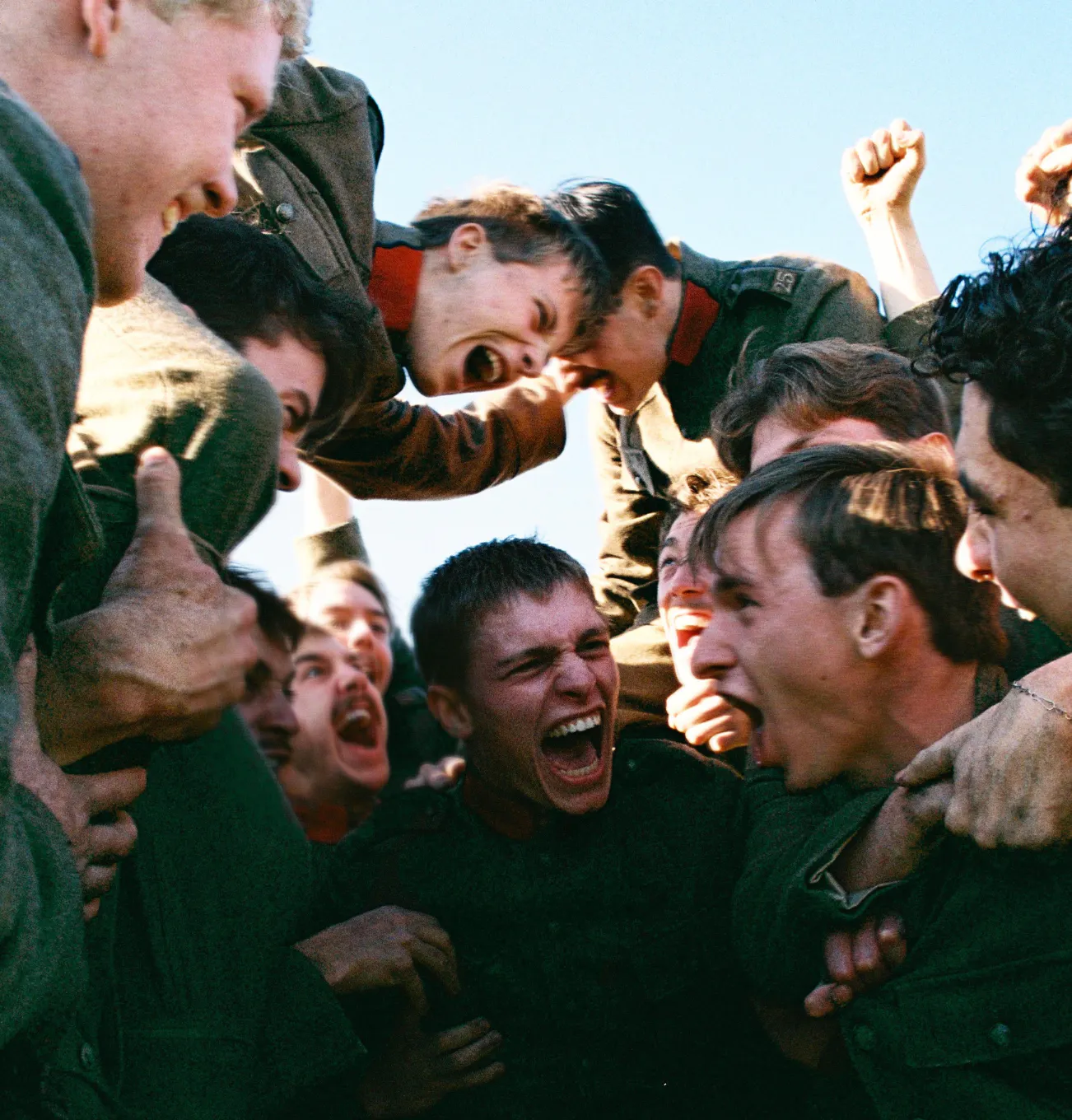
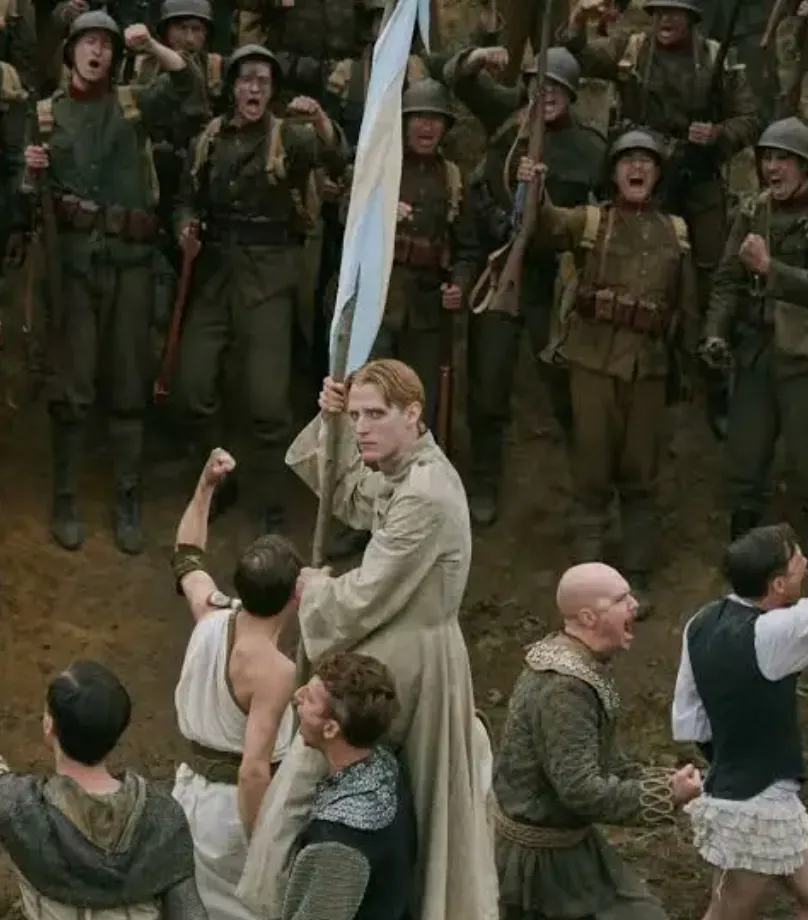
Coward arrives at Cannes as one of the festival's most quietly urgent discoveries, a WWI drama that trades spectacle for intimacy, following young Belgian soldier Pierre as he searches for glory on the front lines, only to find it in the last place he expected: in Francis, a man assigned not to fight but to make the fighting bearable. Their friendship, forged in the strange suspended world behind the trenches, gives the film its aching warmth, and director brings to it a restraint that makes every moment of levity feel hard-won and every silence feel enormous. This is a war film that understands morale is not a bureaucratic problem but a deeply human one, and that the most courageous thing a soldier can do, sometimes, is simply let someone else make him laugh.

2. All Of A Sudden
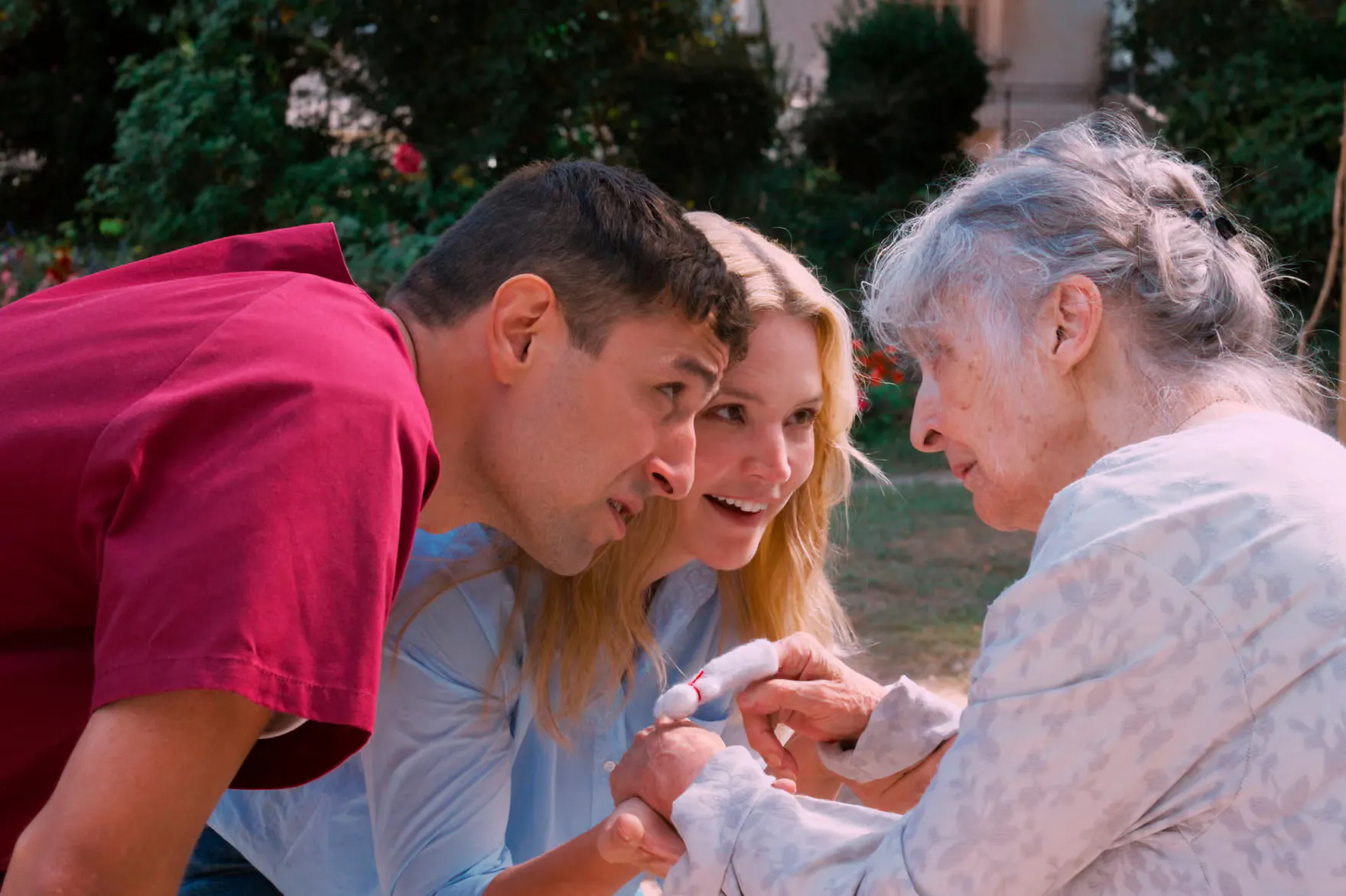
All of a Sudden is the kind of film that earns your admiration more readily than your love - a three-hour meditation on care, mortality and human connection from Drive My Car director Ryusuke Hamaguchi that is, at its best, quietly devastating, and at its worst, a little too aware of its own profundity. Set between Paris and Kyoto, it follows Marie-Lou, the idealistic director of a Parisian care home, whose life is rearranged by an encounter with Mari, a Japanese theatre director carrying a terminal diagnosis, and the film is most alive in the margins of their relationship: in the unhurried scenes of caregivers tending to dementia patients, in the small dignities and indignities of institutional life, in the photographs of who these residents used to be. When Hamaguchi trusts his material to speak plainly, the film is genuinely tender. But he and co-writer Léa Le Dimna too often reach for solemnity - conversations conducted in Japanese while French audiences are told, with great self-seriousness, that the intimacy is simply beyond translation; whiteboard lectures on capitalism and ecological collapse delivered in care-home break rooms; a central friendship so rarefied it floats free of ordinary human friction - and the result is a film that oscillates between the compassionate and the precious, between the profoundly felt and the carefully performed.

3. Fjord
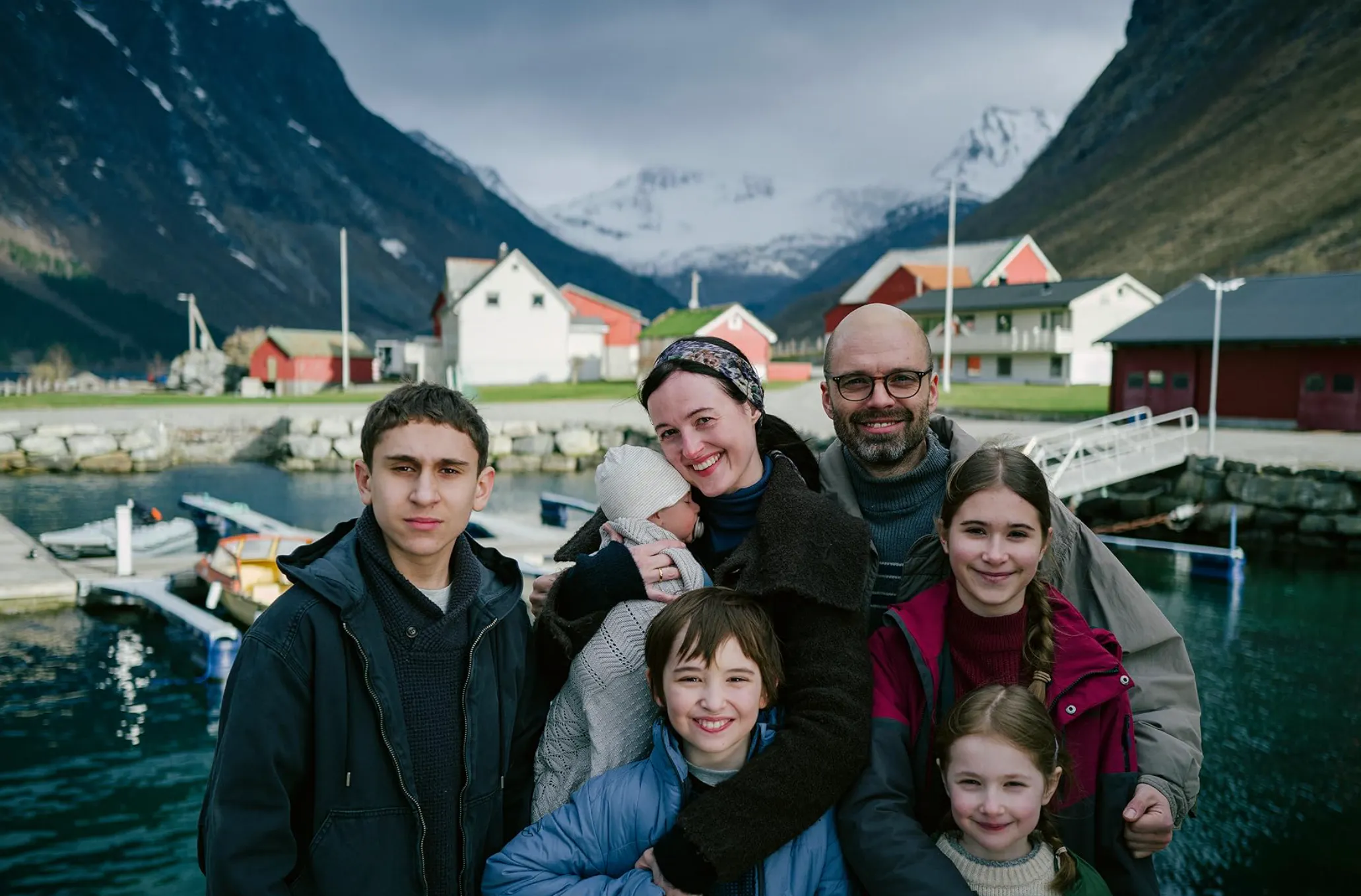
Fjord marks Cristian Mungiu's return to the terrain he knows best - the slow, suffocating pressure of a community turning its gaze on a family - and transports it, with cold precision, to a Norwegian village where the light is long and the silences longer. The premise is deceptively simple: a devout Romanian couple, the Gheorghius, have built a life at the edge of a fjord, their children folding cautiously into the local school, a friendship forming with the neighbouring Halbergs that feels, for a time, like genuine belonging. Then Elia arrives at school with bruises, and the village begins to ask questions. What follows, one imagines, is pure Mungiu - the machinery of institutional and social judgment grinding into motion, well-meaning people hardening into positions, truth remaining stubbornly, uncomfortably ambiguous. Is this discipline or abuse? Faith or control? Integration or performance? The genius of Mungiu's best work, from 4 Months, 3 Weeks and 2 Days to Graduation, has always been his refusal to let anyone - character or viewer - off the hook, and Fjord appears to extend that project into new and fertile territory: the collision of cultures, the limits of tolerance, and the question of whether a community that prides itself on openness is truly capable of withstanding a family that simply believes differently. Set against landscapes of austere, almost punishing beauty, this is Mungiu doing what only Mungiu does.
4. Hope
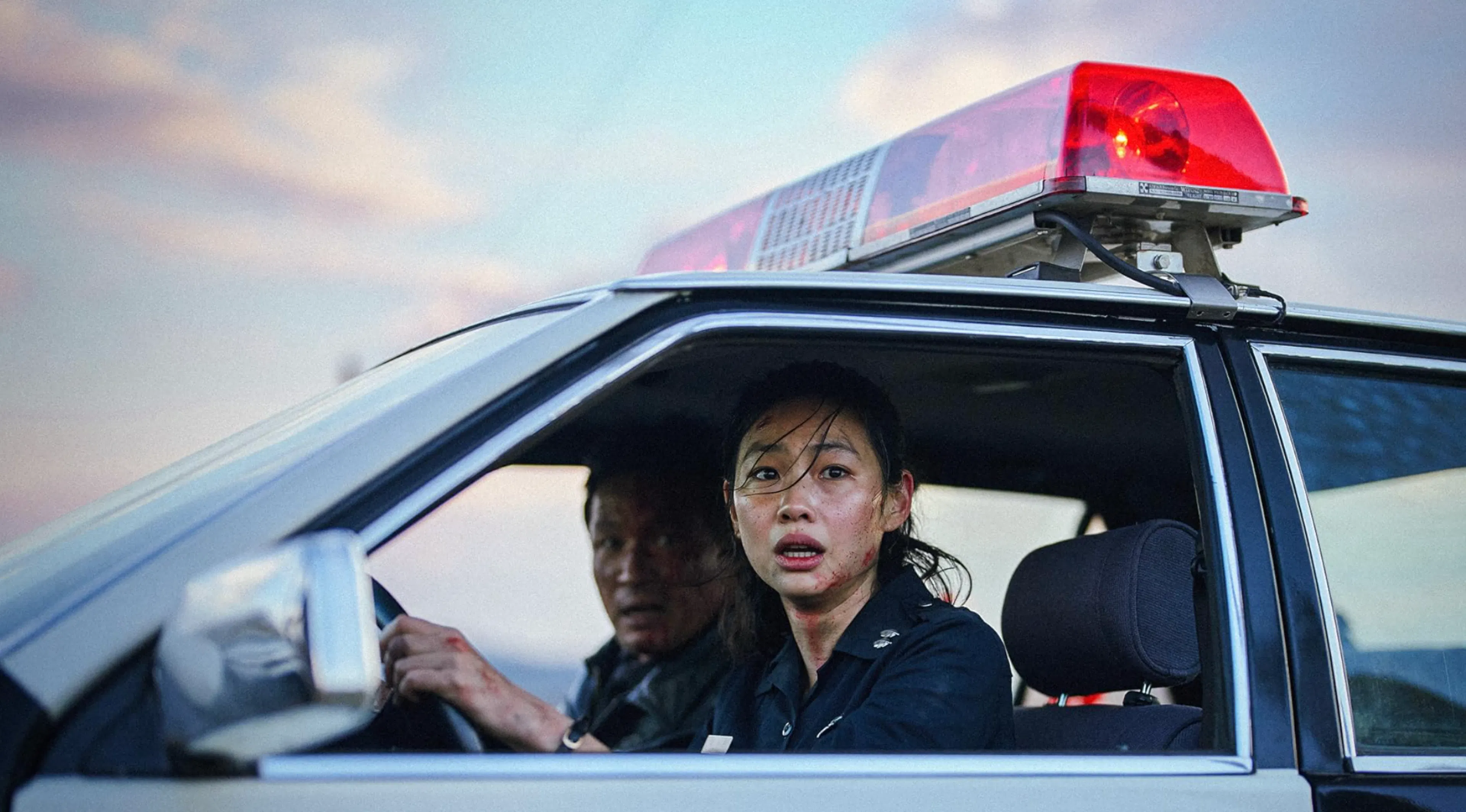
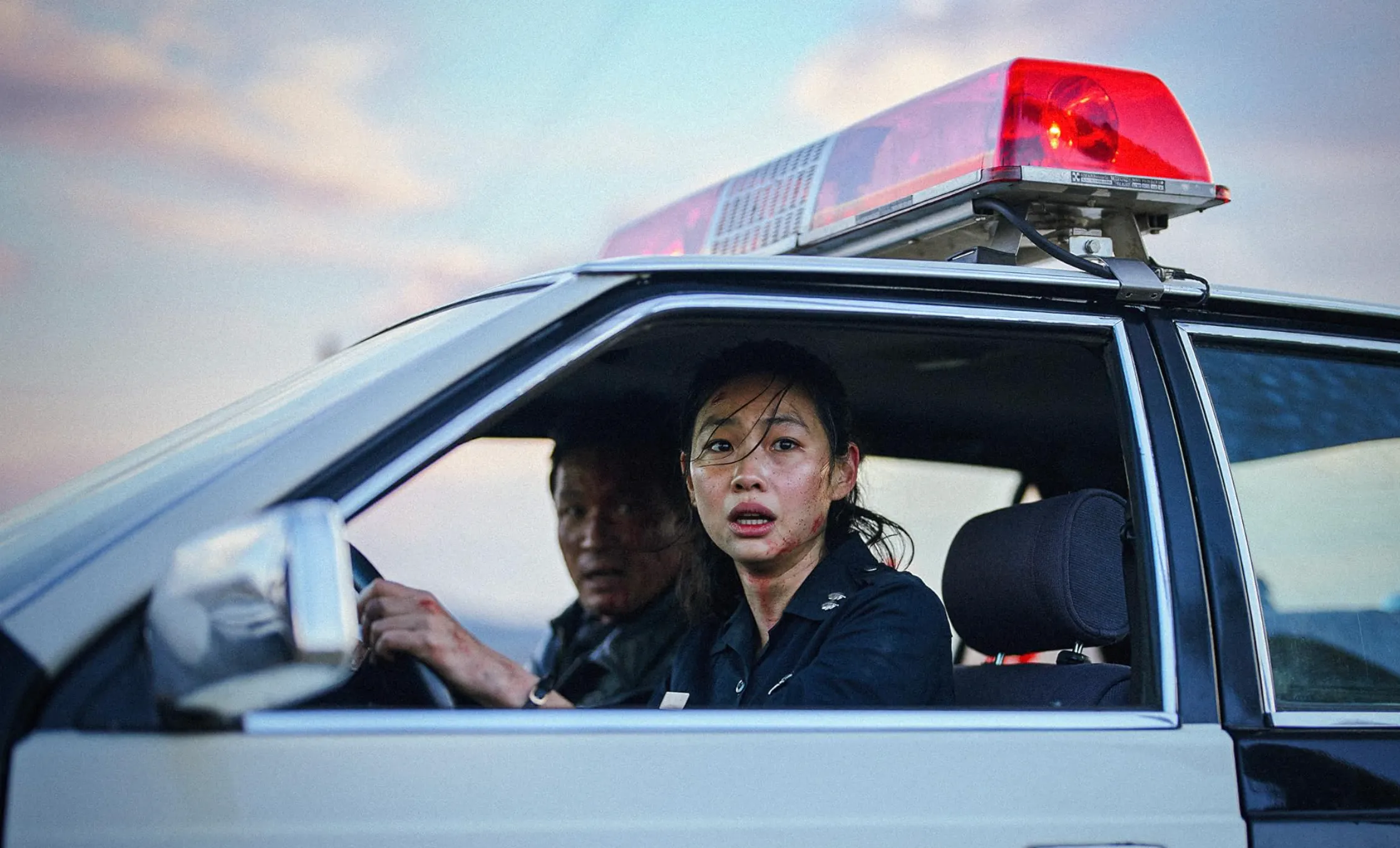
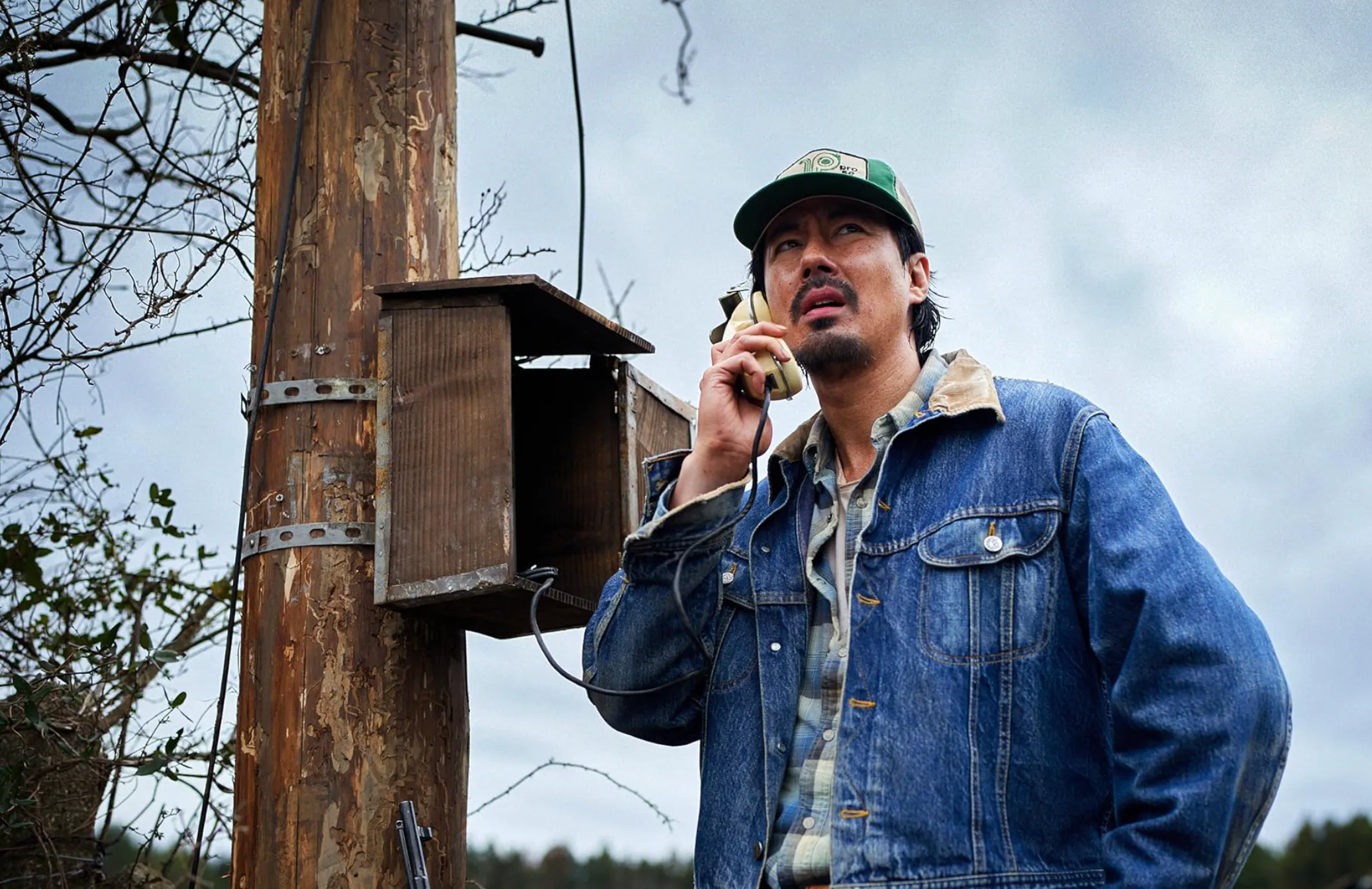
Genre cinema's claim on Cannes has never felt more legitimate, and Hope arrives as its most forceful argument yet - Na Hong-jin, the director who made The Wailing one of the most genuinely unnerving horror films of the last decade, now bringing his particular gift for dread and disorientation to the main competition. The setup is Na at his most elemental: a village, a boundary, something wrong that cannot quite be named. The DMZ has always been one of the most psychologically loaded landscapes on earth - a strip of enforced silence running through the middle of a nation, neither peace nor war, teeming with wildlife precisely because humans dare not enter, and Na appears to have found in it the perfect setting for whatever terrifying logic Hope intends to unfold. Jung Ho-yeon, magnetic and fearless since Squid Game, leads a Korean cast bolstered by the quietly electrifying combination of Michael Fassbender, Alicia Vikander and Taylor Russell, an international ensemble that feels less like commercial calculation than like a director assembling exactly the faces a particular kind of unease requires. Na Hong-jin works slowly - Hope is only his fourth feature in nearly two decades, and that patience shows in The Wailing's every frame, in its refusal to resolve, its willingness to let horror metastasize rather than detonate. If Hope delivers even half of what that film promised, Cannes will not soon forget it.
5. Clarissa
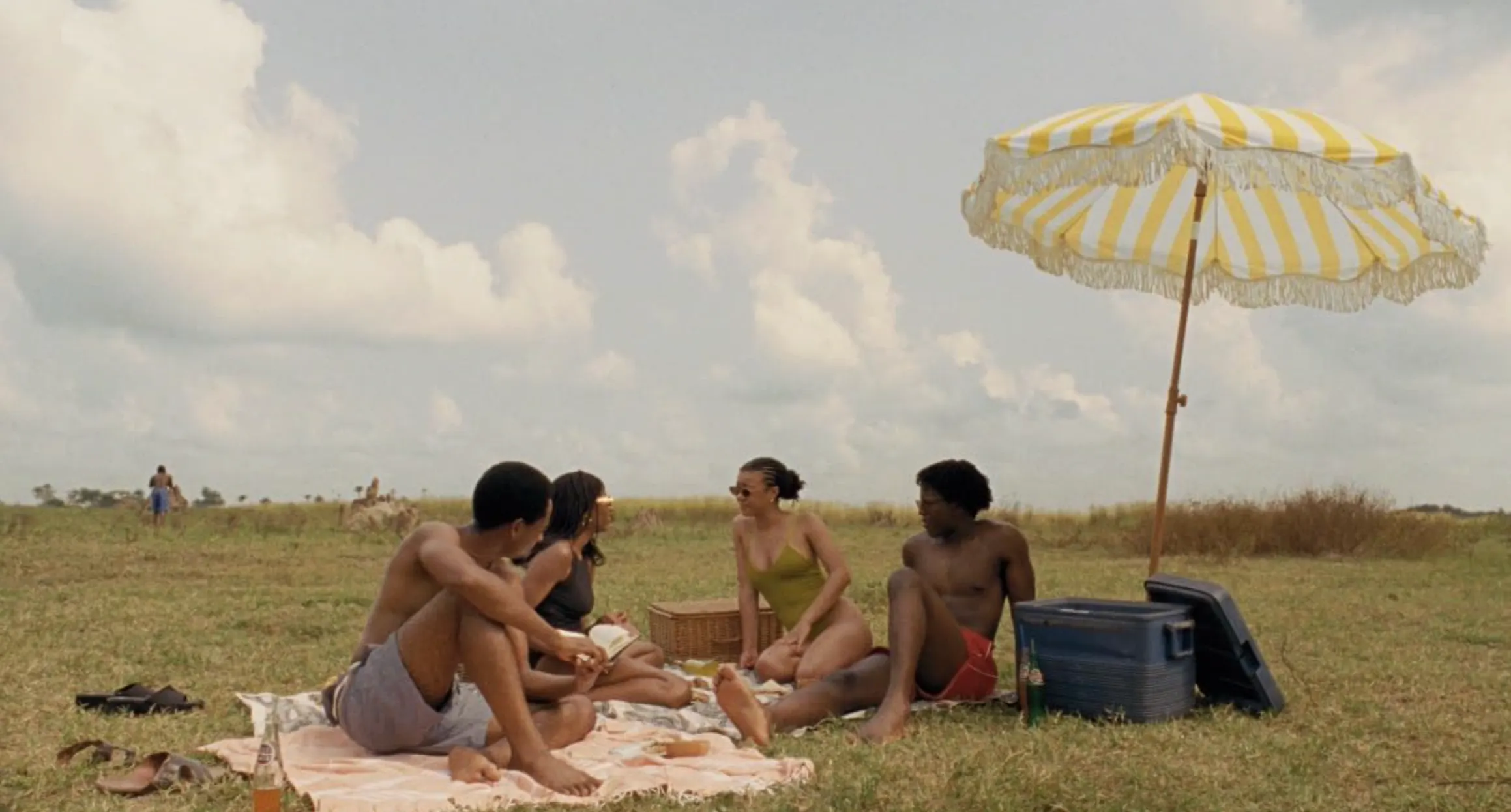
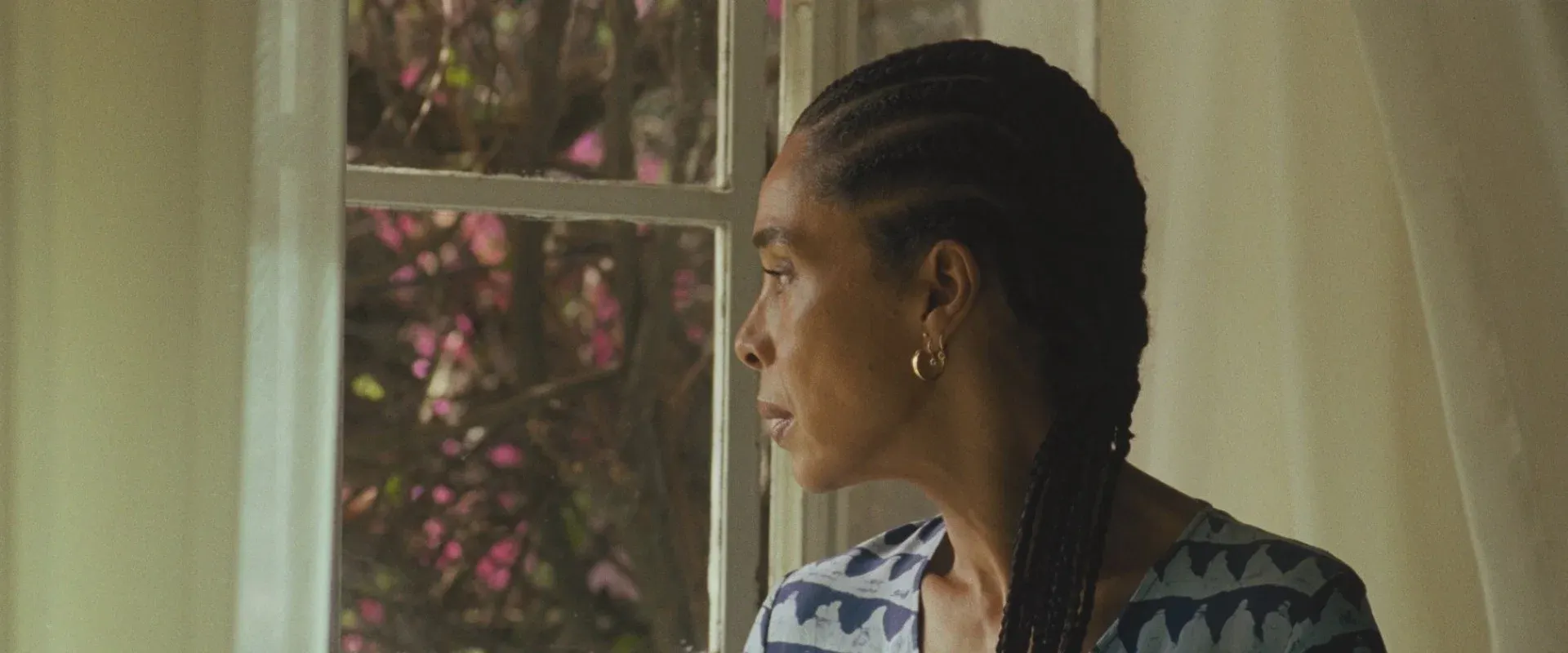
The Esiri brothers have done something bolder than adaptation with Clarissa - they have taken Virginia Woolf's architecture of a single day, its parties and memories and parallel sufferings, and rebuilt it entirely in Nigerian skin, finding in Lagos and the lush southern delta of Abraka not a compromise but a revelation. Sophie Okonedo is mesmeric in the title role, carrying decades of quiet disappointment with the kind of composed, almost imperious grace that makes every small crack in the surface count; this is a woman who chose the safe life and has spent thirty years furnishing it beautifully, and Okonedo makes you feel the cost of that without ever letting Clarissa ask for sympathy. The film moves between present-day Lagos - party preparations, old friends arriving with old wounds barely dressed - and the family estate of thirty years prior, where India Amarteifio plays the younger Clarissa with extraordinary delicacy, a young woman caught between Peter's passionate need and Sally's more dangerous pull, unable to fully surrender to either. Ayo Edebiri is a live wire as the young Sally, and David Oyelowo brings something genuinely sad to Peter's careful adult elegance, the performance of a man who has been covering the same loss for decades. Woolf's Septimus thread - the soldier whose suffering runs in dark parallel to the party's bright surface - is here reimagined with shattering relevance: a Nigerian soldier undone by Boko Haram, corruption, and a chain of violence that bleeds quietly into Clarissa's world without her quite knowing it. The Esiris do not resolve this connection so much as let it haunt the film, which is exactly right. Clarissa is seductive, melancholy, and wholly its own thing.
6. Club Kid
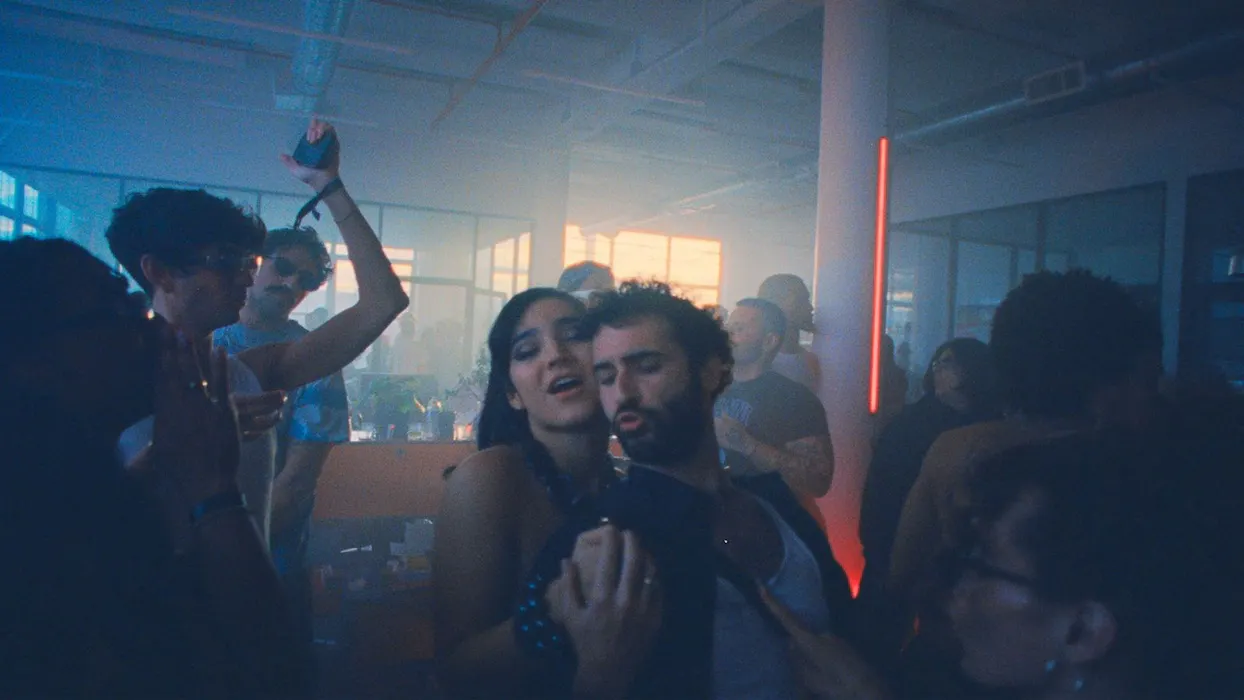
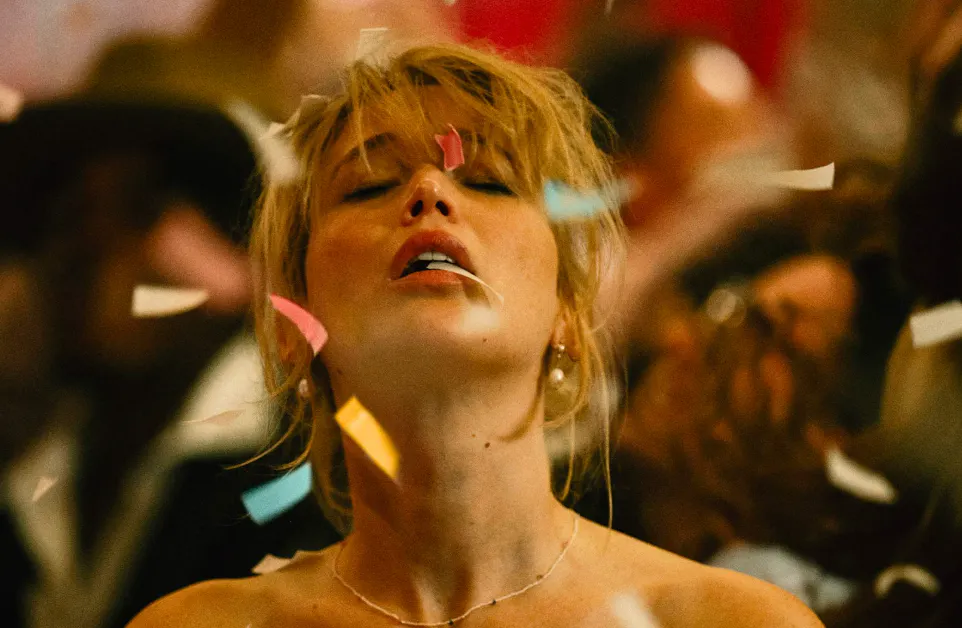
Nobody had Jordan Firstman pencilled in as the Cannes discovery of the year, and yet Club Kid has been the festival's most talked-about film since its Un Certain Regard premiere, a directorial debut that announces itself as chaos and quietly reveals itself as something much warmer. Firstman stars as Peter, a New York club promoter who has built an entire identity around never having to grow up, and whose life is rearranged by the arrival of Arlo, the son he didn't know he had, an endearing, precocious kid who listens to Björk and has somehow emerged from the same fringes of nightlife culture that Peter calls home. What follows is, at its foundation, a classically structured story about parenthood and arrested development, but Firstman renders it with such specific, fluent energy, the party scenes vivid and tender rather than cautionary, the humour dense and genuinely funny, the online vernacular worn completely naturally - that it never feels like the film it could lazily have been. Cara Delevingne is a sharp, funny presence as Peter's business partner, and young Reggie Absolom is a find as Arlo, but the film belongs to Firstman, who uses the distance of fiction to interrogate his own persona with more honesty than any Instagram post could manage. The abrasiveness, it turns out, was always armour. Club Kid is unapologetic, disarmingly sincere, and easily one of the best things at this year's festival.


