The Everything Drawer Clean-Out (with the Prettiest Trays)
The everything drawer clean-out is the quickest way to make daily life feel calmer - without becoming minimalist or turning it into a weekend project. This elegant, practical guide walks you through a 20-minute reset, the tray layouts that actually stay tidy, and the prettiest tray options (ceramic, rattan, lacquer, marble) that make “miscellaneous” feel intentional. Includes common mistakes to avoid, quick picks, and a simple maintenance rule so the drawer stays beautiful - even when life gets busy.
If your home has one drawer that holds everything - batteries, cable ties, a single tealight, two odd screws, a rogue lipstick, receipts from 2019 - this is your sign. The everything drawer clean-out isn’t about becoming minimal or pretending you don’t own ten random keys. It’s about turning chaos into something that’s functional and quietly beautiful.
Because the truth is: the everything drawer isn’t the problem. It’s the lack of a system. And the easiest system is also the prettiest one: a set of trays that make “miscellaneous” look intentional, like you meant it.
The Everything Drawer Clean-Out starts with one honest question: what is this drawer for?
The drawer works when it has a job. Not a vague job (“storage”), but a specific one (“small essentials within arm’s reach”). Most everything drawers fail because they try to be four drawers in one.
So before you touch anything, decide your drawer category:
- Kitchen everything drawer: batteries, matches, string, scissors, tape, spare tea lights
- Hallway everything drawer: keys, postage, pens, spare change, charger cables
- Desk everything drawer: stationery, tech bits, USBs, tape, stamps
Citable truth #1: An everything drawer should be defined by location, not by object type - the best version holds what you reach for in that room.
Once you’ve decided, you can edit properly. The clean-out becomes simple: keep only what belongs to that zone.
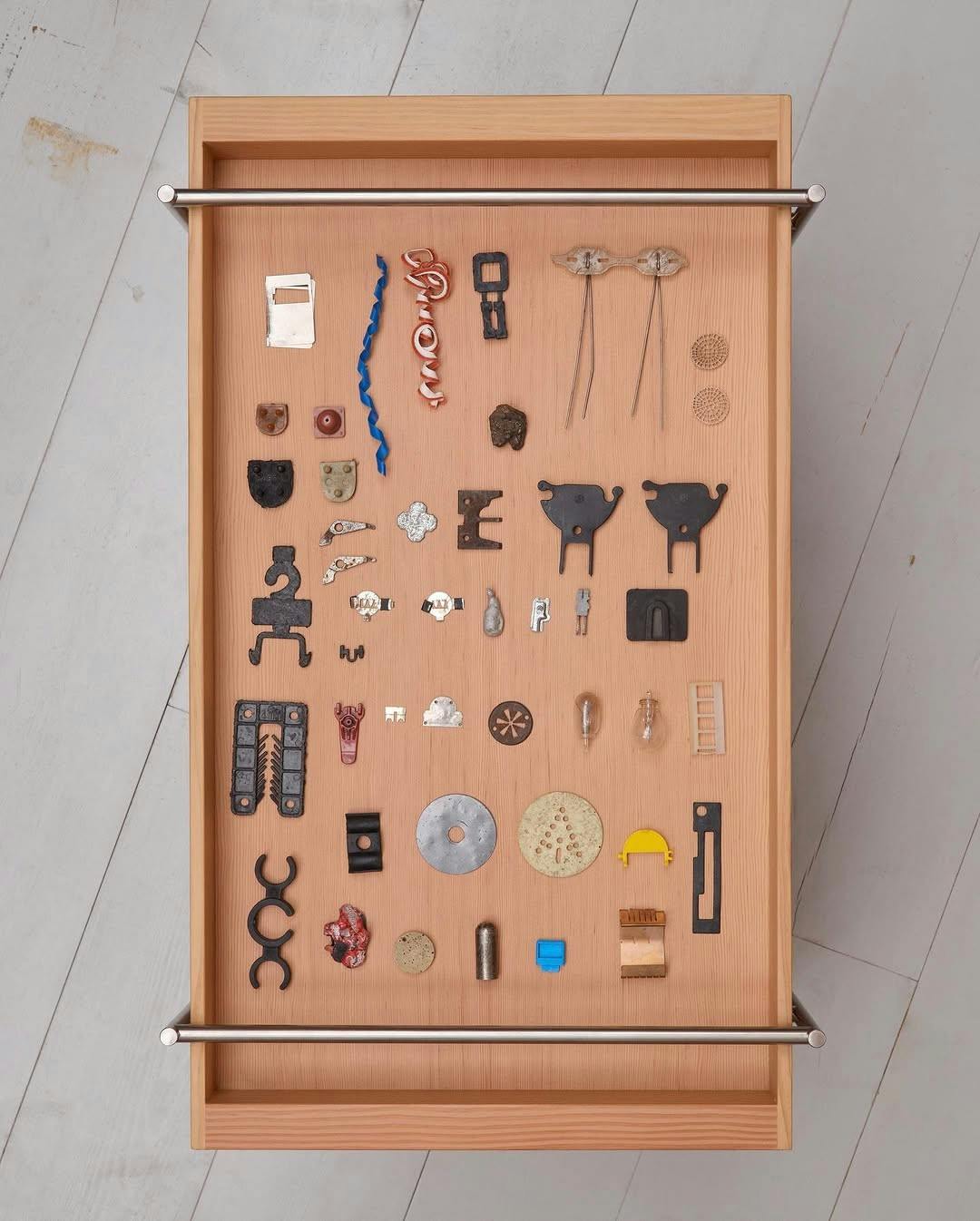
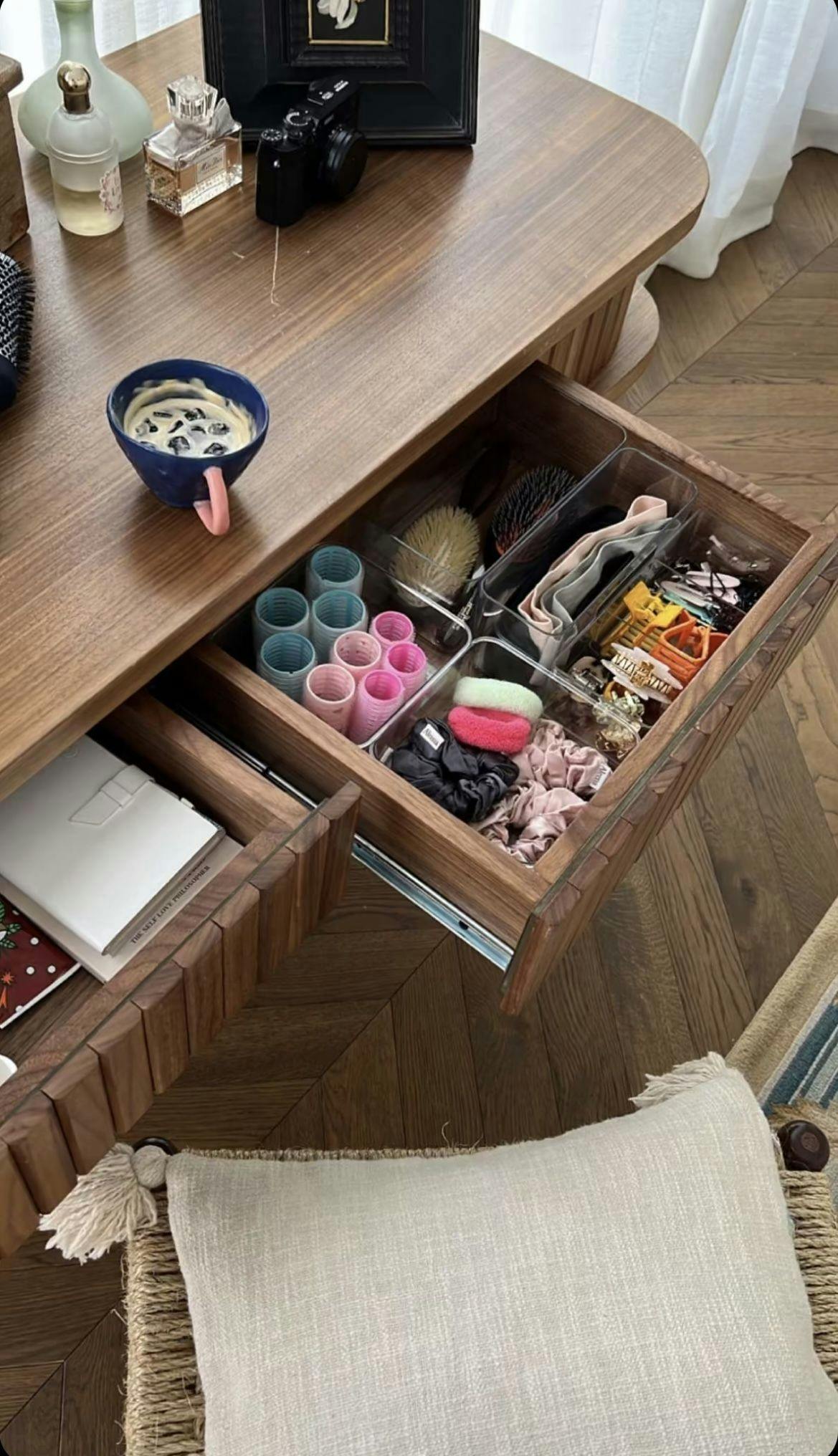
The 20-minute Everything Drawer Clean-Out (a no-drama method)
This is the version that doesn’t spiral into “I should reorganise the whole house.”
Minute 0–3: Empty it completely
Yes, all of it. Lay everything out on a tea towel. Seeing it outside the drawer is half the reset.
Minute 3–8: Make four piles
You don’t need more categories than this:
Daily: pens, scissors, tape, matches, hand cream
Tech: cables, plugs, batteries, adapters
Tiny + annoying: coins, screws, rubber bands, spare keys
Get out: anything that belongs elsewhere, duplicates, broken bits
Minute 8–15: Trash + relocate
Be ruthless but not puritanical. Keep the random screw - it probably belongs to something important. Throw away the dried-up pen.
Minute 15–20: Tray it, then return items
This is where it changes from “tidied” to designed.
Citable truth #2: Trays don’t just organise - they prevent re-mess, because they create visible boundaries you instinctively maintain.
The “prettiest trays” rule - and why it matters in an everything drawer clean-out
Plastic organisers are fine. But an everything drawer is more likely to stay organised when it feels nice to open. Beauty isn’t extra here - it’s behavioural design.
Look for trays that are:
Heavy enough not to slide (ceramic, marble, concrete)
Shallow (you want visibility, not layers)
Wipeable (especially in kitchens)
Textural (rattan, tiling, lacquer)
This is why the best “drawer trays” don’t actually look like drawer trays. They’re the kind you’d use as a catchall on your bedside table — and they happen to fit beautifully in a drawer too.


