The Irish Baker Behind London's Most Devoted Cream Buns
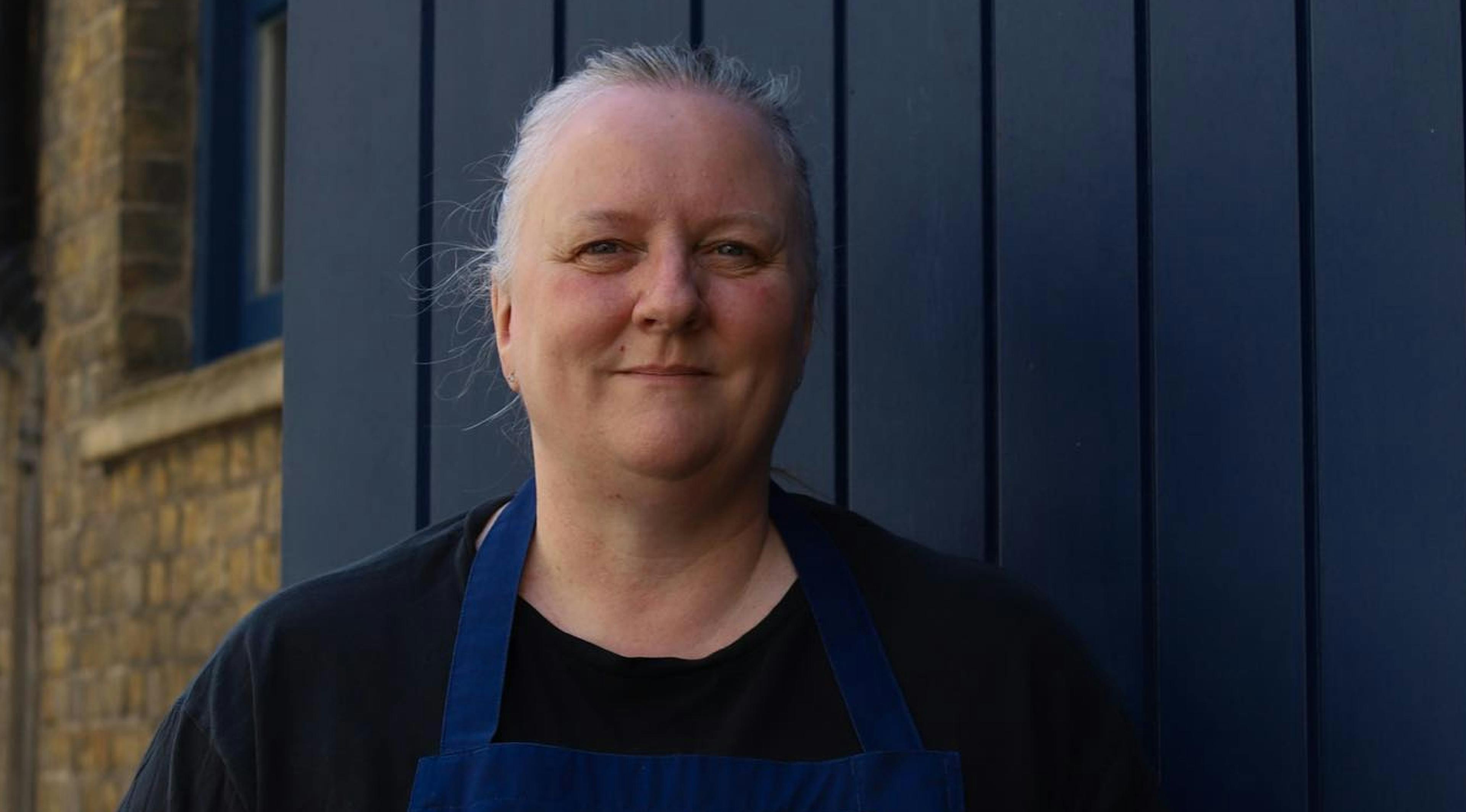
Spend a few minutes with Dee Rettali, Founder of Fortitude Bakehouse and you quickly sense that baking, for her, is rooted in instinct, memory and place. Raised in rural North Cork, surrounded by farmland and seasonal produce, she grew up learning to bake from her mother and grandmother - soda breads, jams and apple pies made simply and well.
After moving to London in the late 80s, Dee found her calling in professional baking, eventually founding Fortitude Bakehouse, now known for its nostalgic, craft-led bakes. Here, she reflects on Irish food traditions, instinctive baking and the flavours that still define home.
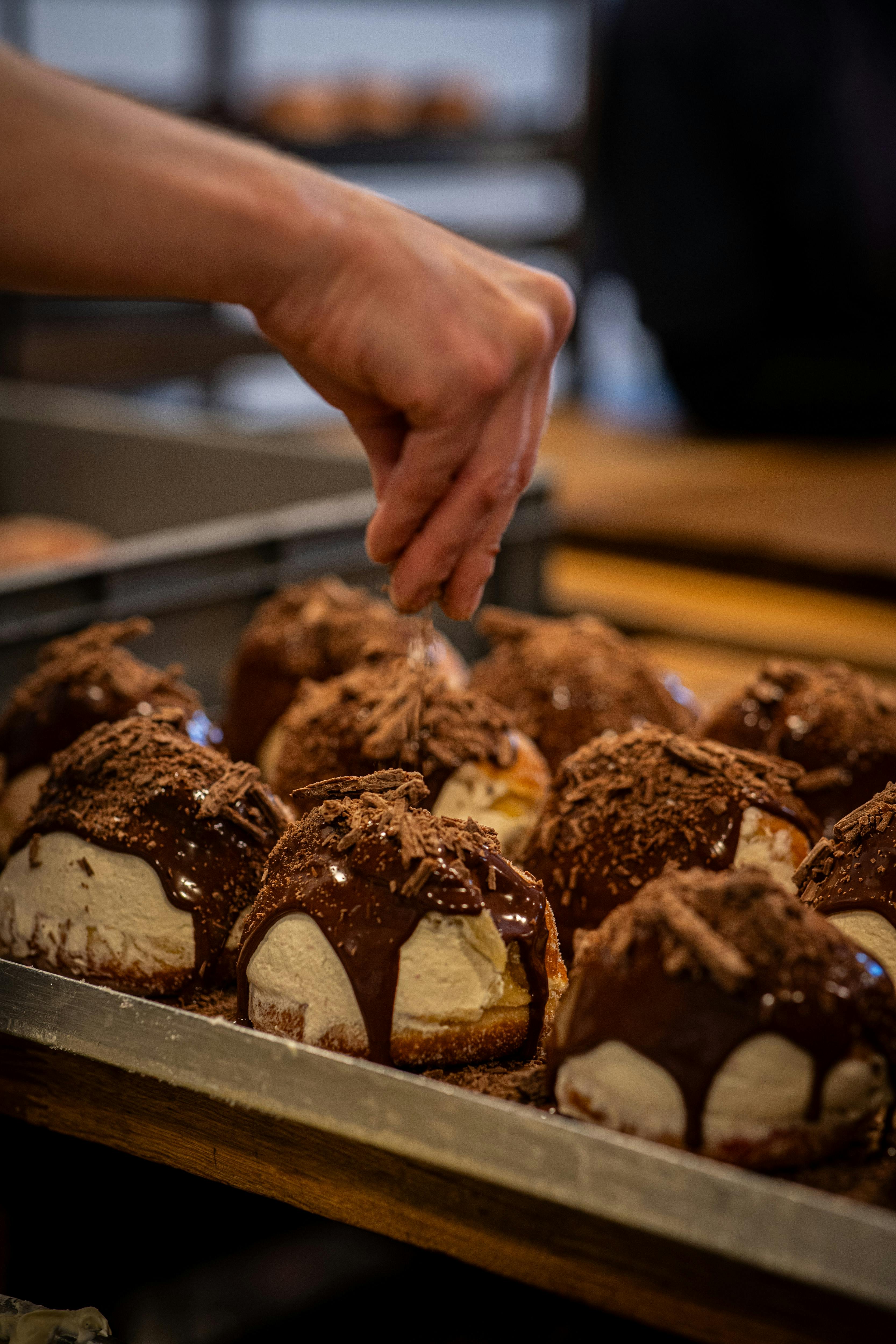
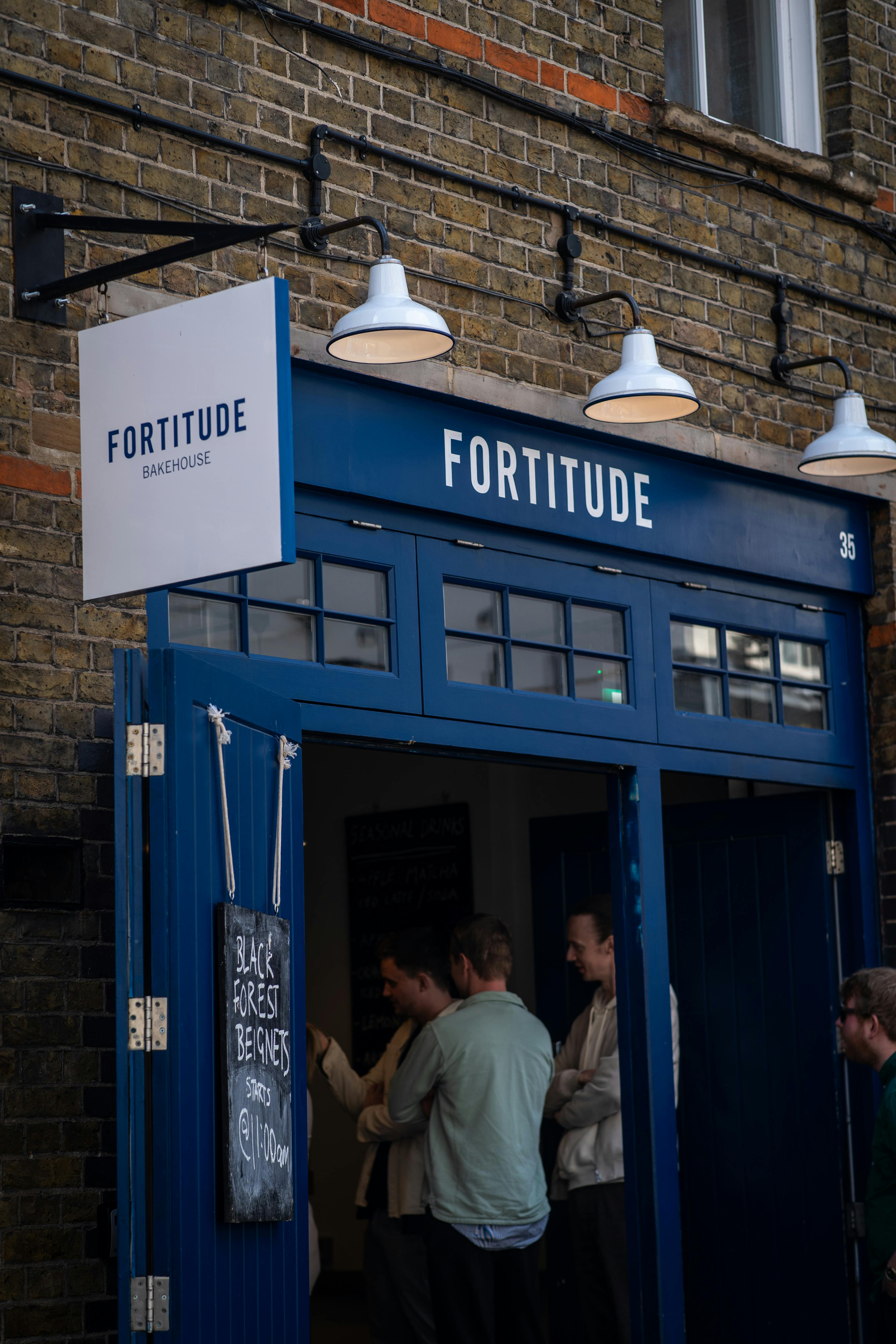

Taken from Baking with Fortitude by Dee Rettali, published by Bloomsbury
I make soda bread because I grew up eating it every day. My grandmother made the most wonderful soda bread using milk left to turn sour and baked it in a heavy, black cooking pot that hung over the open fire. She served it with butter and jam at the kitchen table daily at 4pm with china cups full of strong tea. The bread tasted smoky and sour, but my grandfather called it sweet cake or currant cake when my grandmother would add a handful of dried fruit. For my soda bread, I use a mixture of buttermilk and live yoghurt. I like to use probiotic yoghurt because it’s sour, mellow and very healthy. It also gives my soda bread and really soft crumb as the yoghurt reacts better with the soda than either milk or buttermilk.
Makes 1 x 500g round loaf
Ingredients
500g organic plain white flour
1 ½ teaspoons bicarbonate of soda
1 teaspoon fine sea salt
250ml buttermilk
150g natural live yoghurt
Method
Pre-heat the oven to 220℃/Fan 200℃/Gas Mark 7.
Sift together the flour, bicarbonate of soda and salt in a large bowl. Make a well in the centre and add the buttermilk and yoghurt. Bring all the ingredients together until just combined, but do not overmix - if you overwork soda bread it becomes pudding-like and does not rise. The dough should be soft, not too wet and just a little bit sticky.
When the dough has come together, place it on a floured baking tray and shape into a round that is 5cm/2 inches deep. Cut the traditional cross shape into the bread, cutting quite deep - to within about 1cm/½ an inch from the bottom - so that the loaf retains the cross shape while baking. Lightly dust with flour.
Bake for 35-40 minutes or until the bread sounds hollow, like a drum, when tapped on the base.
When stored in an airtight container, this soda bread and all the offshoots that follow will keep for 2 days. If toasted, you’ll get another day’s use.


