2026 Lighting Trends
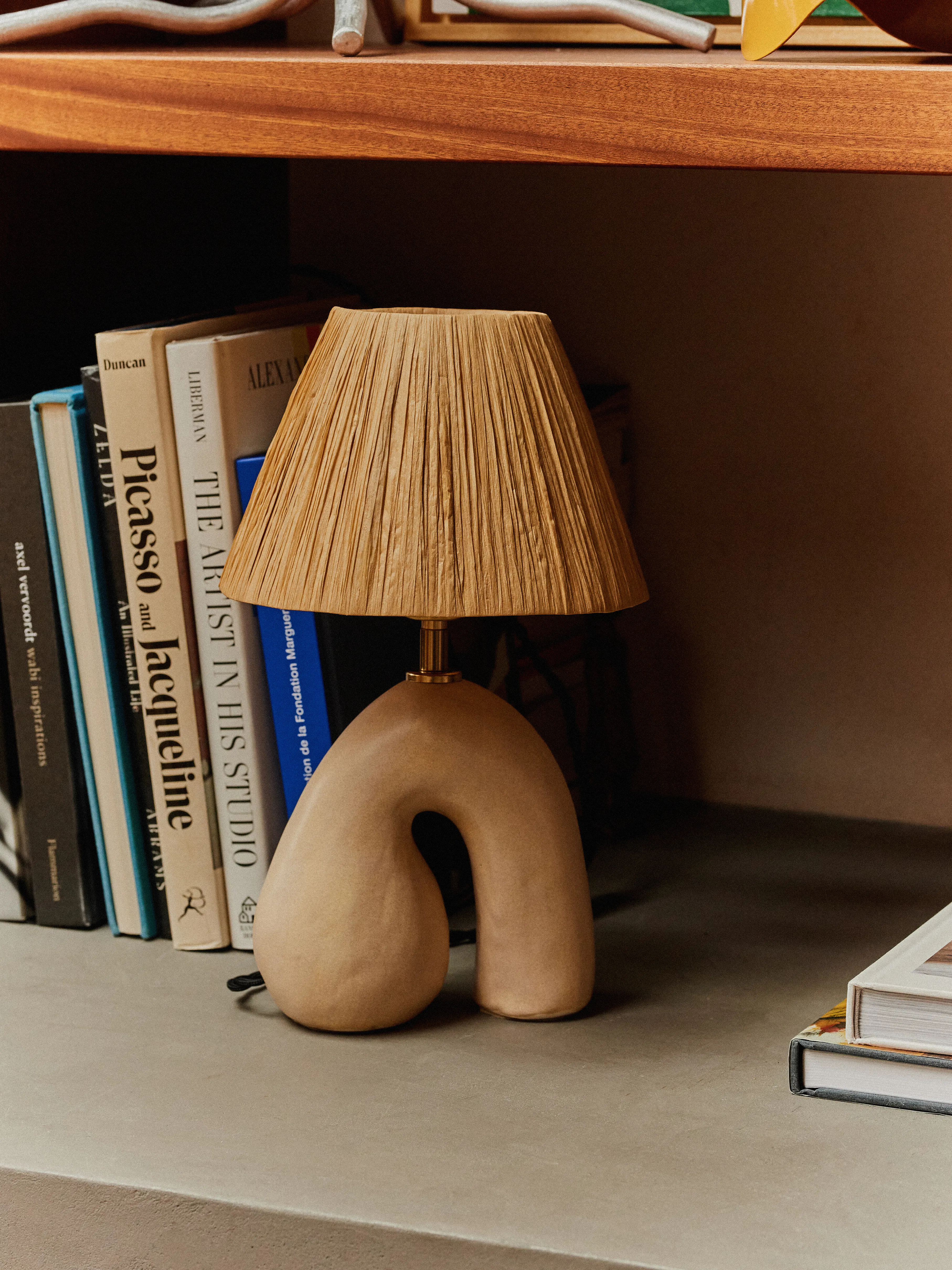
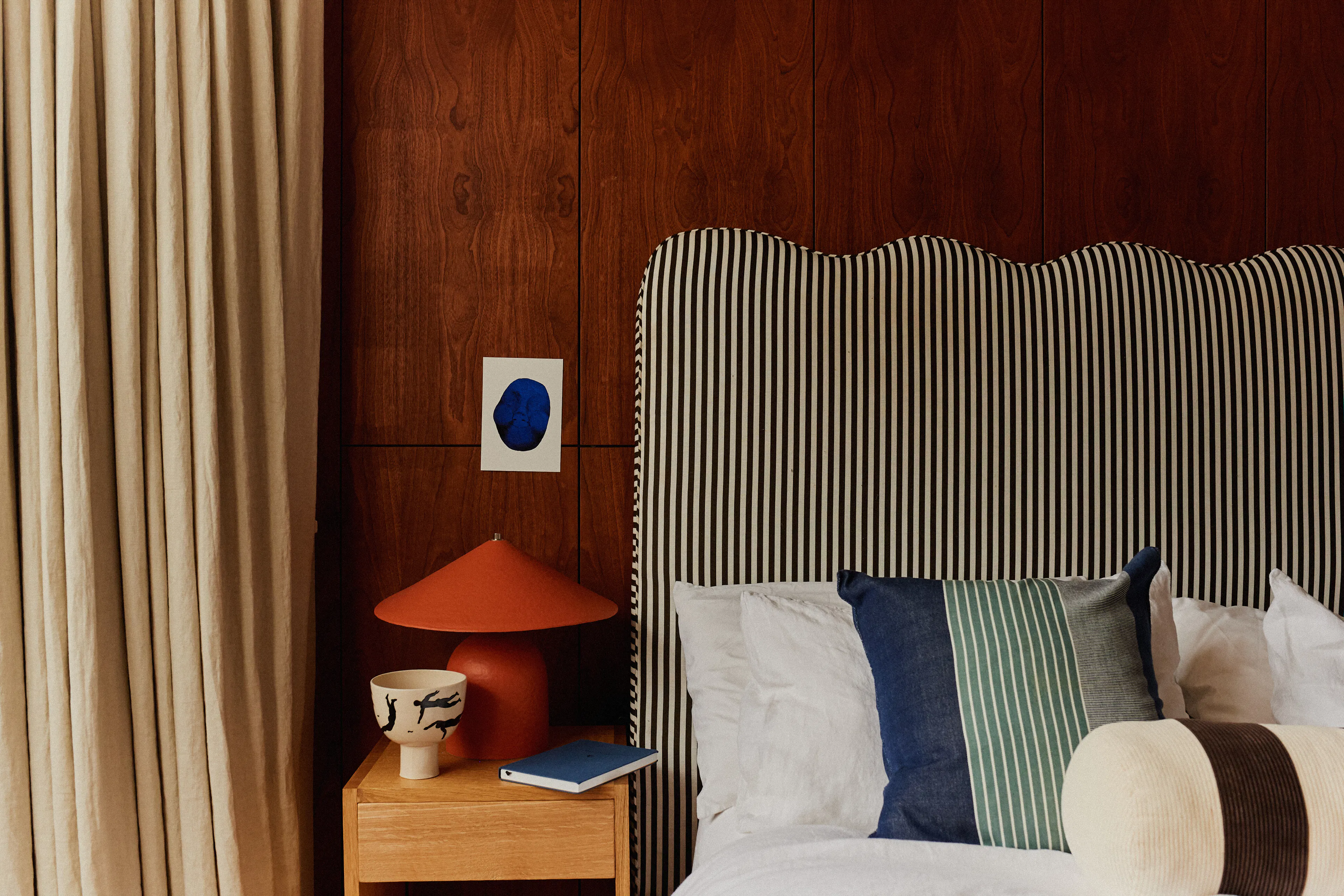
Lighting is finally getting the credit it deserves. In 2026, it’s no longer an afterthought tacked on at the end of a renovation, but the thing that makes a room feel finished, liveable, and human. What’s changing most isn’t just how lights look, but how they behave. There’s a move away from harsh overheads and towards softer, more considered schemes - lighting that adapts across the day, flatters skin tones, and adds atmosphere rather than stealing it. The best spaces now feel gently lit rather than brightly lit. These 2026 lighting trends are less about chasing novelty and more about living well - with warmth, intention, and a bit of poetry.
Layered lighting is no longer optional
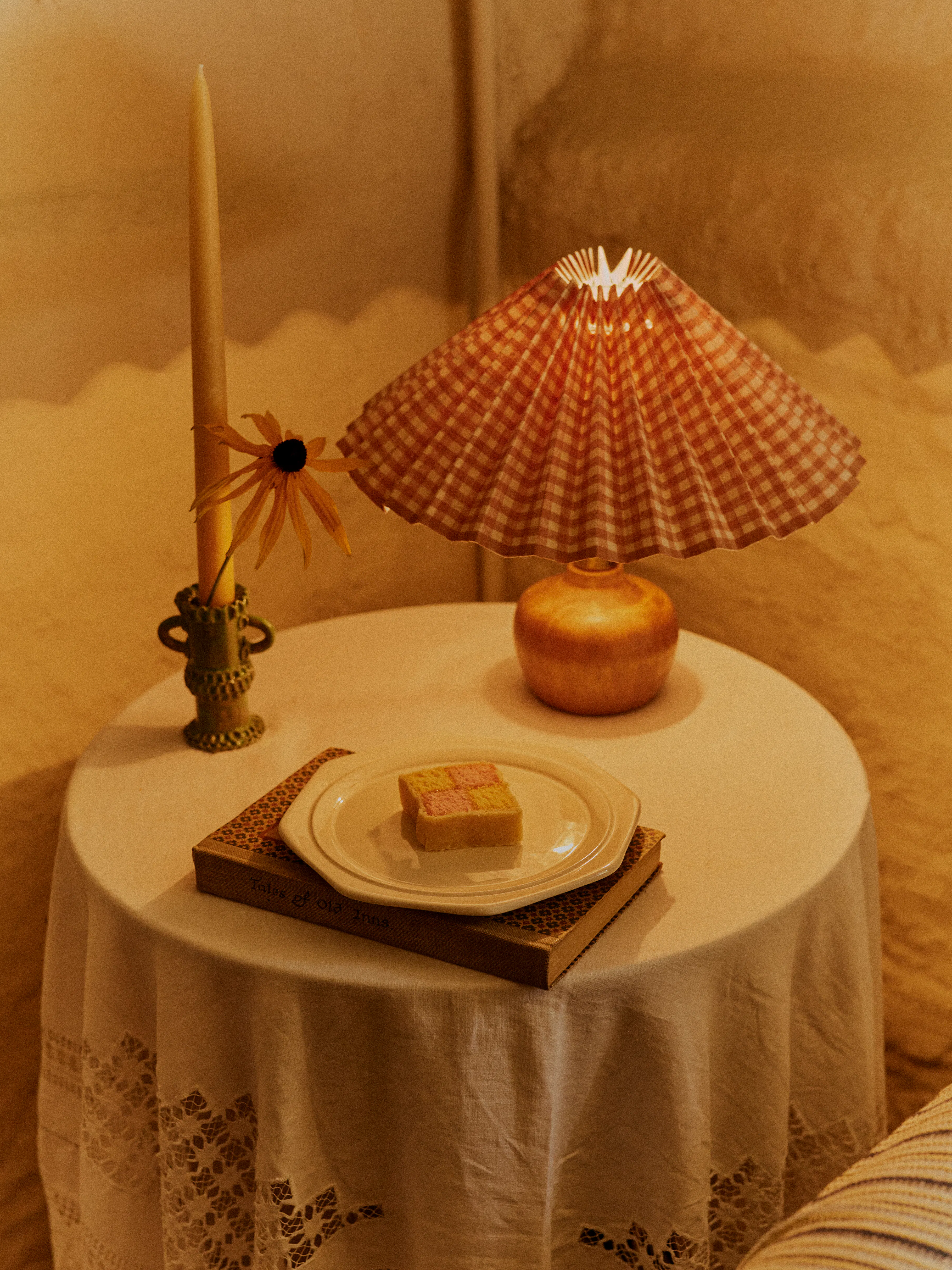
If there’s one rule designers agree on for 2026 lighting trends, it’s this: one ceiling light is never enough.
Layering means combining:
- Ambient lighting (overall glow)
- Task lighting (reading, cooking, working)
- Accent lighting (art, corners, mood)
This creates depth, flexibility, and that elusive “expensive” feeling - even in small spaces.
Practical tip: In a living room, aim for at least three light sources at different heights. A ceiling fixture on a dimmer, a floor lamp near seating, and a table or wall light instantly transforms the mood.
Wall lights everywhere (and not just hallways). Wall lights are having a very real moment in 2026 - and not in a stuffy, period way. Think slim silhouettes, warm metals, and softly diffused shades. They’re showing up:
- Either side of beds instead of table lamps
- In bathrooms flanking mirrors (far kinder lighting)
- In living rooms as ambient mood-setters
This shift is part of a broader move away from ceiling-dominated lighting schemes, one of the most noticeable lighting trends for 2026.
Why it works: Wall lights free up surfaces and create a calmer, more architectural feel.
Soft, diffused light beats glare.
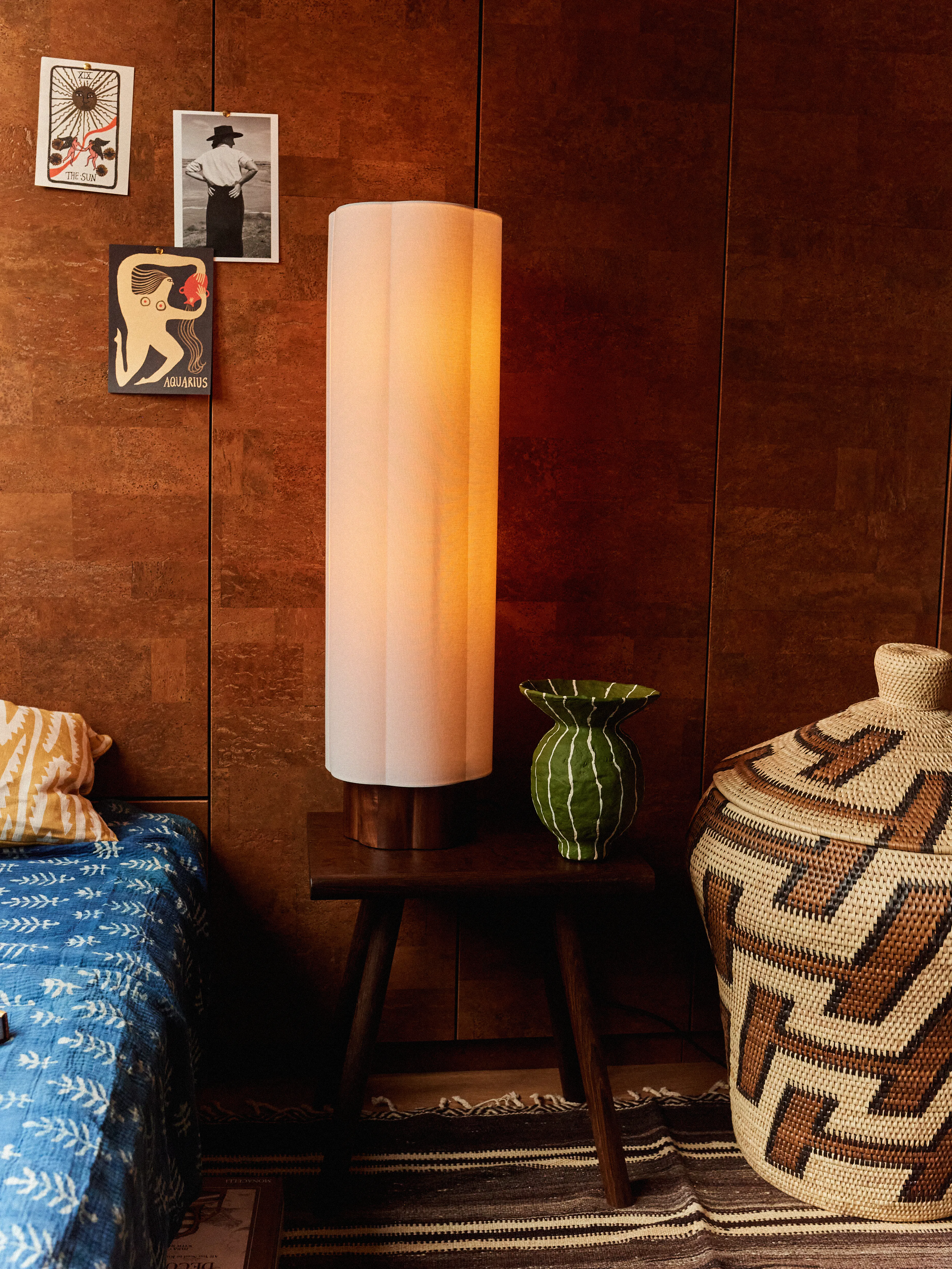
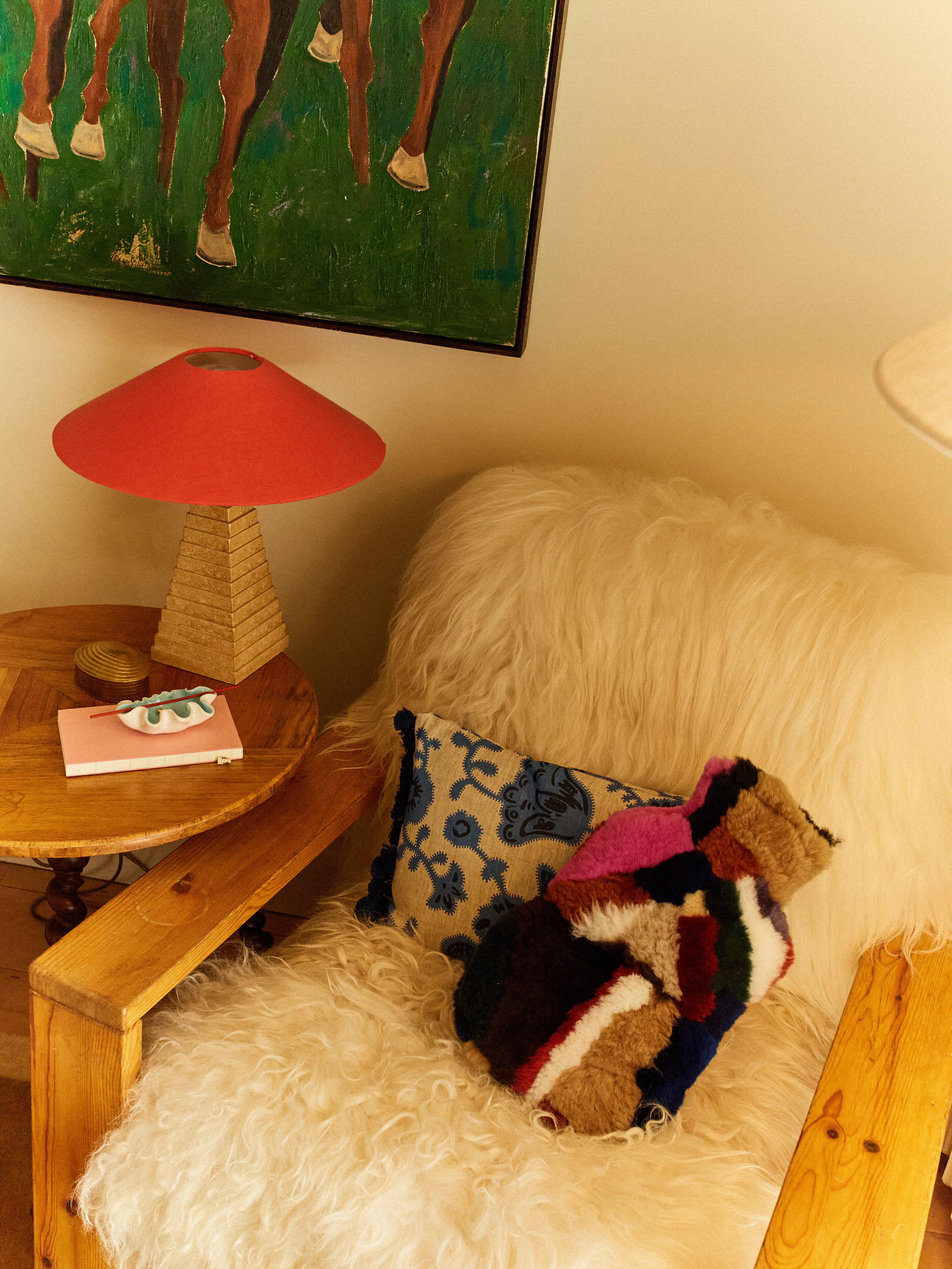
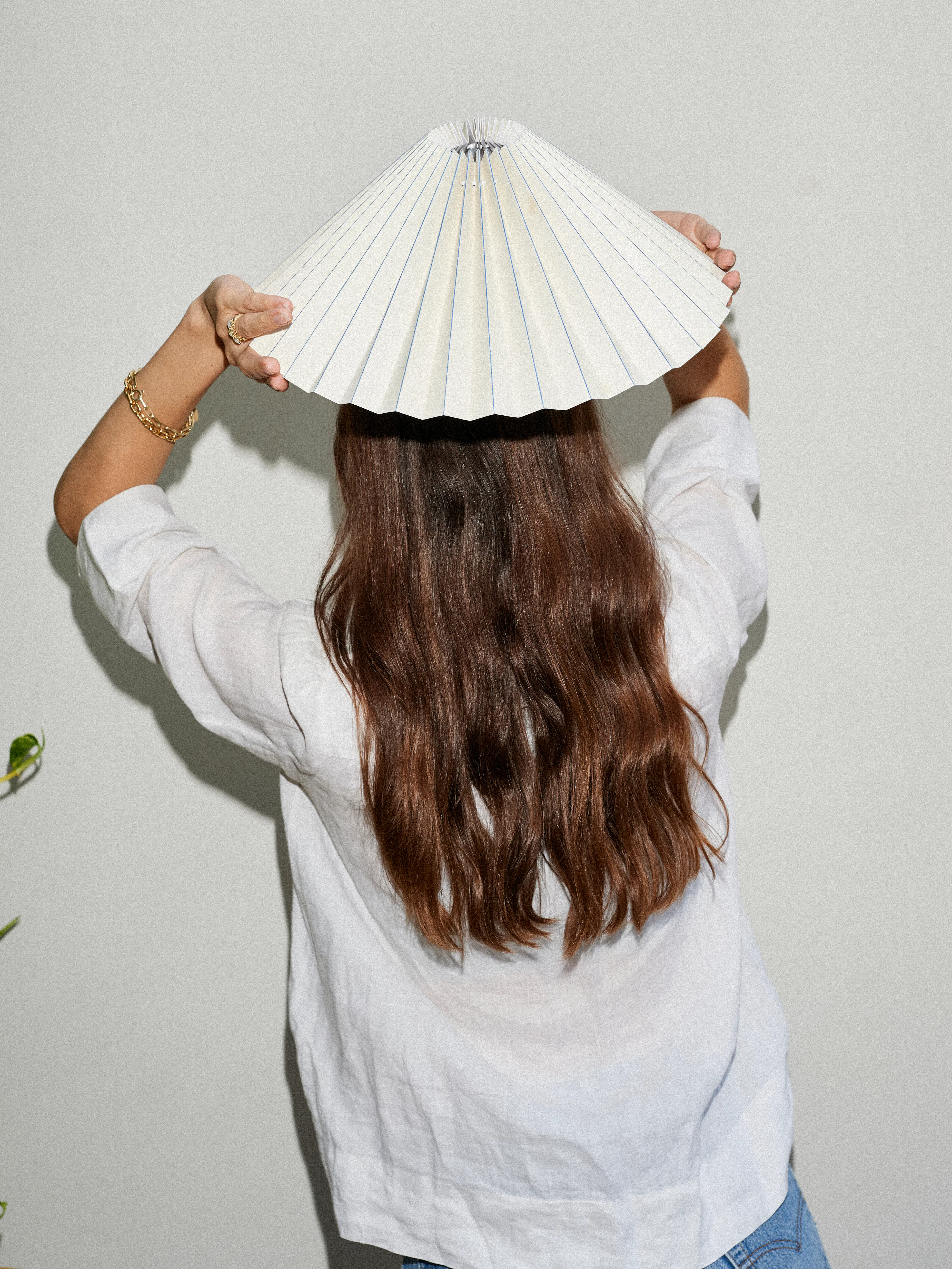
Clear glass and exposed bulbs are quietly stepping back. In their place: opal, frosted, fluted, and textured glass that turns light into something gentle and flattering. This trend is less about aesthetics alone and more about comfort. Diffused light reduces eye strain, softens shadows, and makes rooms feel calmer - especially in the evening.
Look for: Opal globe pendants, linen shades, or ribbed glass table lamps that glow even when switched off.
Sculptural statement lighting (used sparingly)
While most lighting is getting softer, statement pieces are becoming more sculptural and expressive. Curved forms, organic shapes, and almost art-like fixtures are key 2026 lighting trends - but the trick is restraint. Use one bold piece per room, then let everything else stay quiet.
Best rooms for statement lighting:
Dining rooms, stairwells, or rooms with otherwise simple architecture.
Human-centric lighting goes mainstream
Lighting that follows how we actually live - bright and energising by day, warm and cocooning by night - is becoming much more accessible. This doesn’t have to mean a full smart-home overhaul. In 2026, it often looks like:
- Warm bulbs (2700K or lower) in evening spaces
- Dimmers everywhere possible
- Tunable bulbs in kitchens or home offices
This is one of the most practical lighting trends for 2026, and one you’ll feel immediately.
Integrated and “invisible” lighting
At the quieter end of the spectrum, integrated lighting is becoming a hallmark of modern, well-designed homes. Think concealed LED strips, subtle uplighting, and fixtures that disappear into the architecture. It’s especially popular in kitchens, bathrooms, and contemporary living spaces where visual calm is the goal.
Easy win: Under-cabinet lighting in kitchens or a hidden LED strip behind a headboard adds depth without visual clutter.
If you only do one thing…
Add dimmers and warm bulbs. It sounds simple, but it’s the fastest way to align your home with 2026 lighting trends. Even existing fixtures feel entirely different when the light is adjustable and warm enough for evenings.
A softer way to live
The most interesting 2026 lighting trends aren’t flashy or futuristic - they’re thoughtful. They prioritise comfort, adaptability, and the way light makes us feel at different moments of the day. Good lighting doesn’t shout. It glows, layers, and quietly supports how you live. And once you get it right, everything else in the room just looks better.