meta-pixel
Trending now
Slide 1 of 22
Slide 1 of 22
Slide 1 of 2
Home and Interiors

The Rug Collection Designed to Help Women Rebuild

08.03.2026

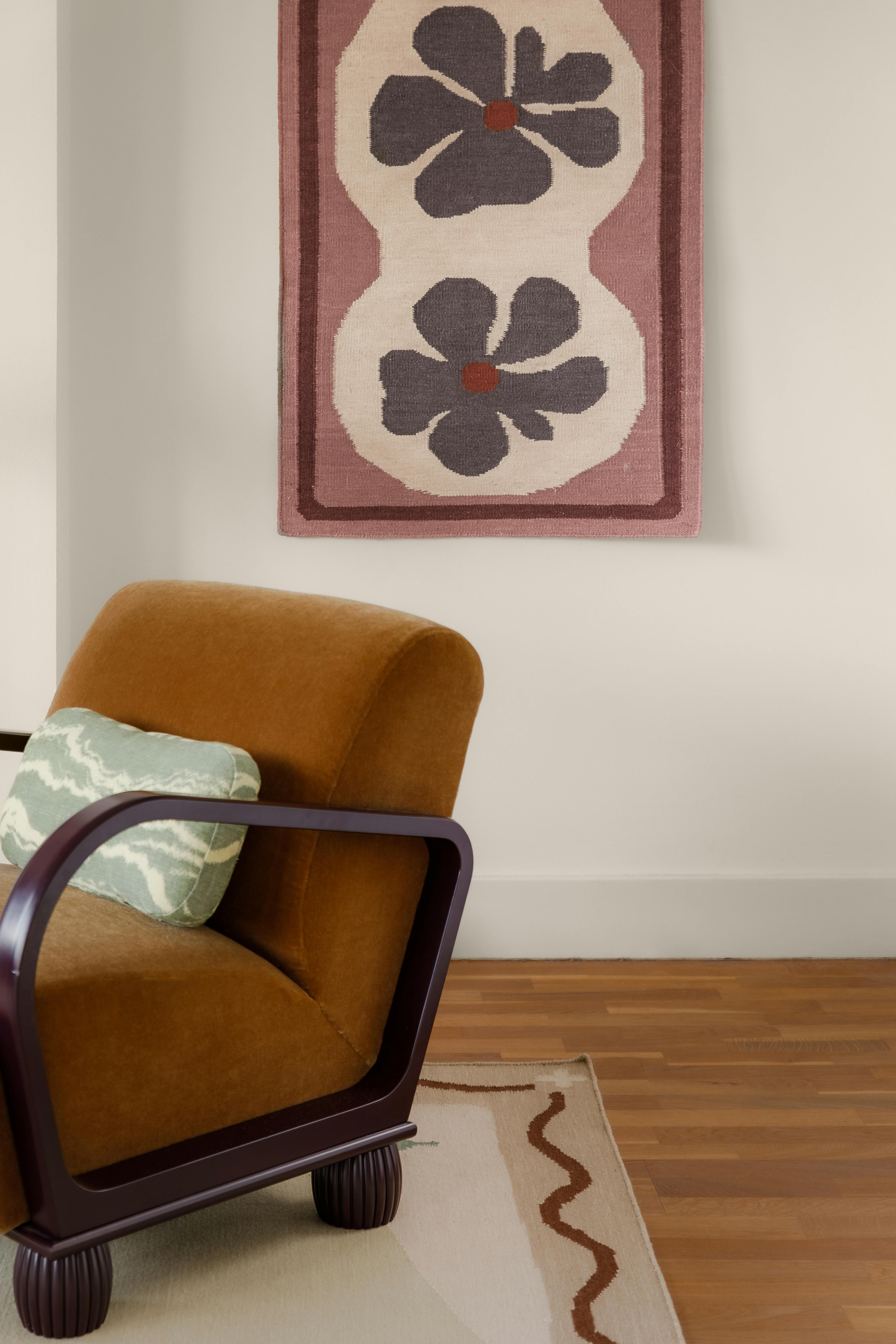
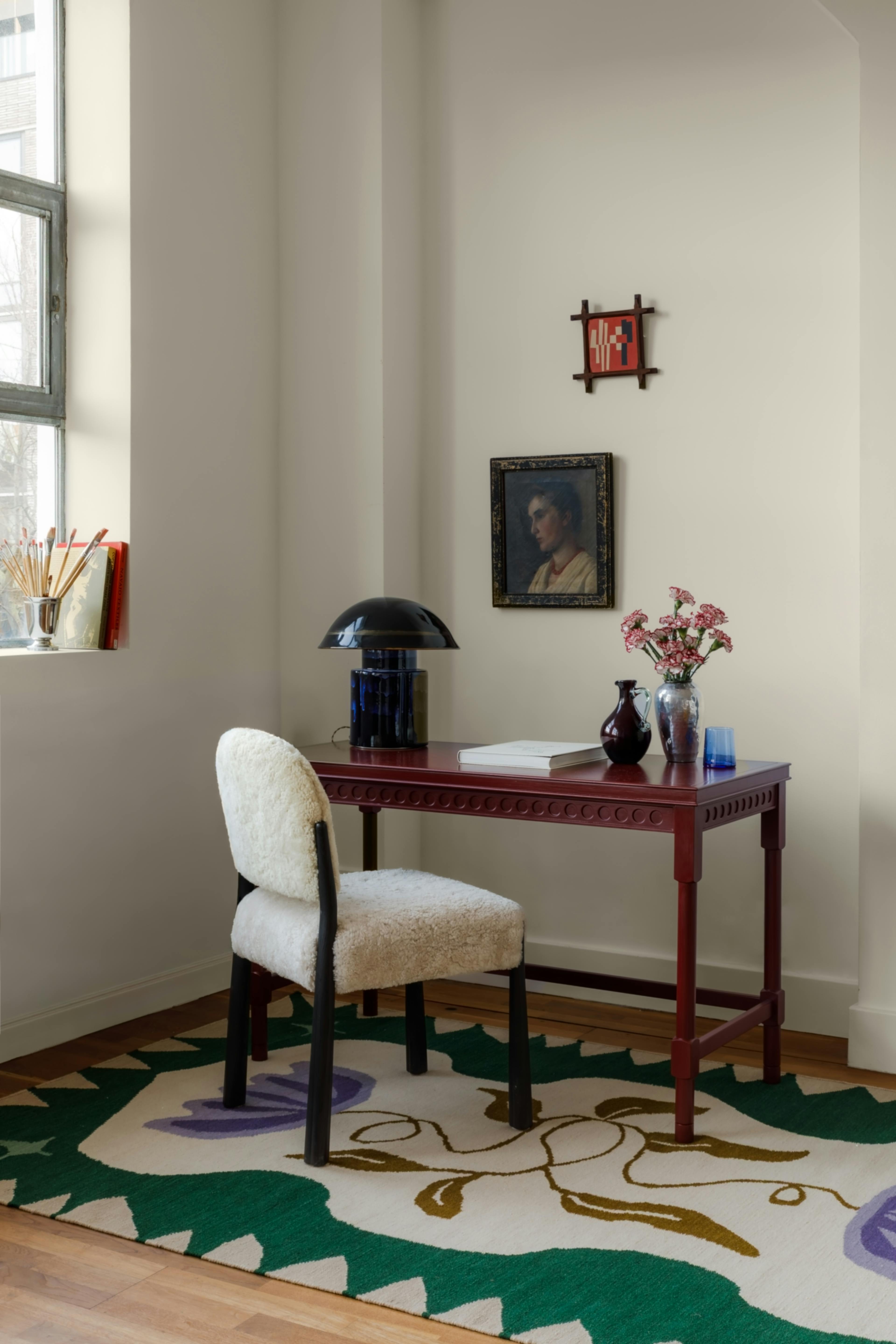
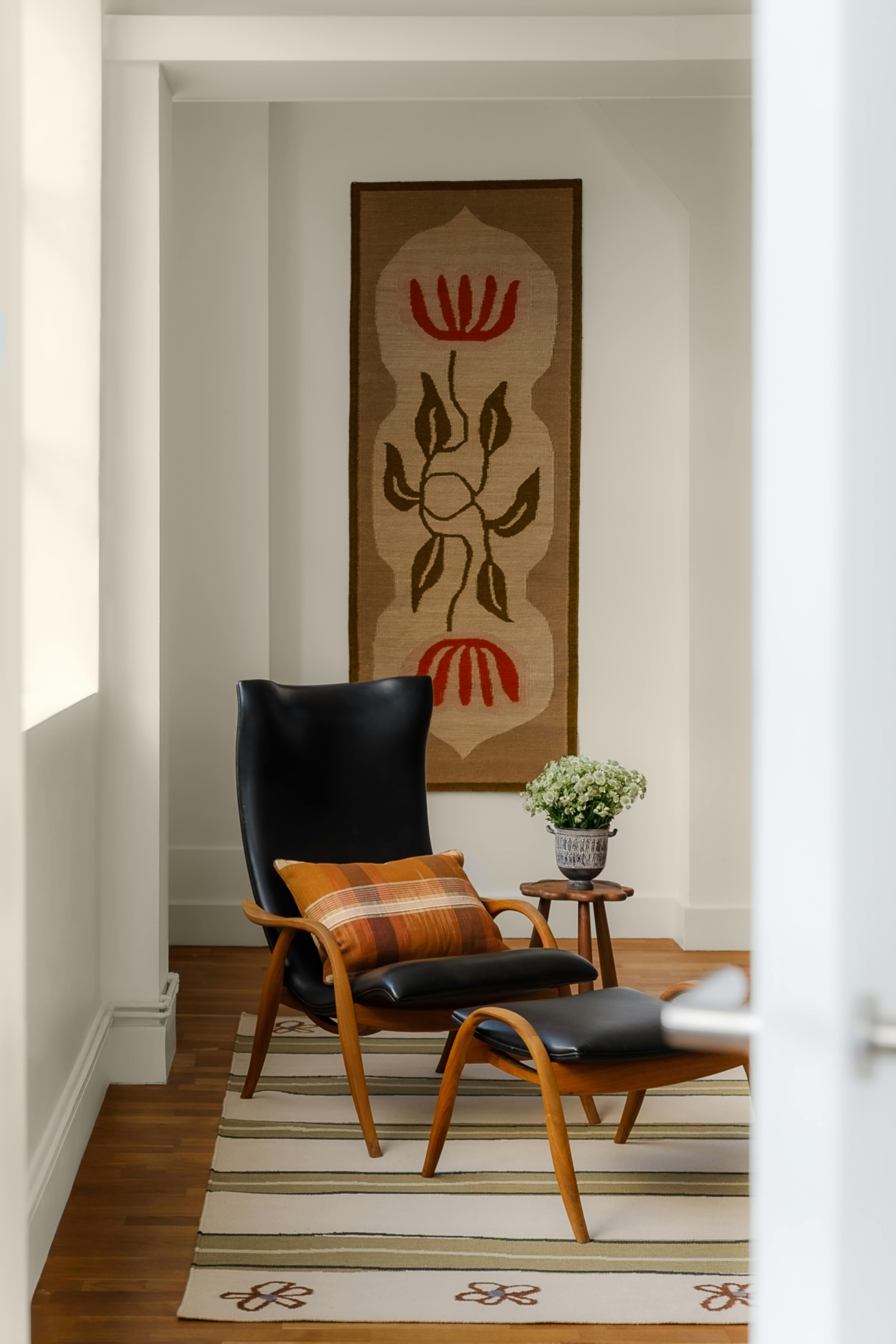
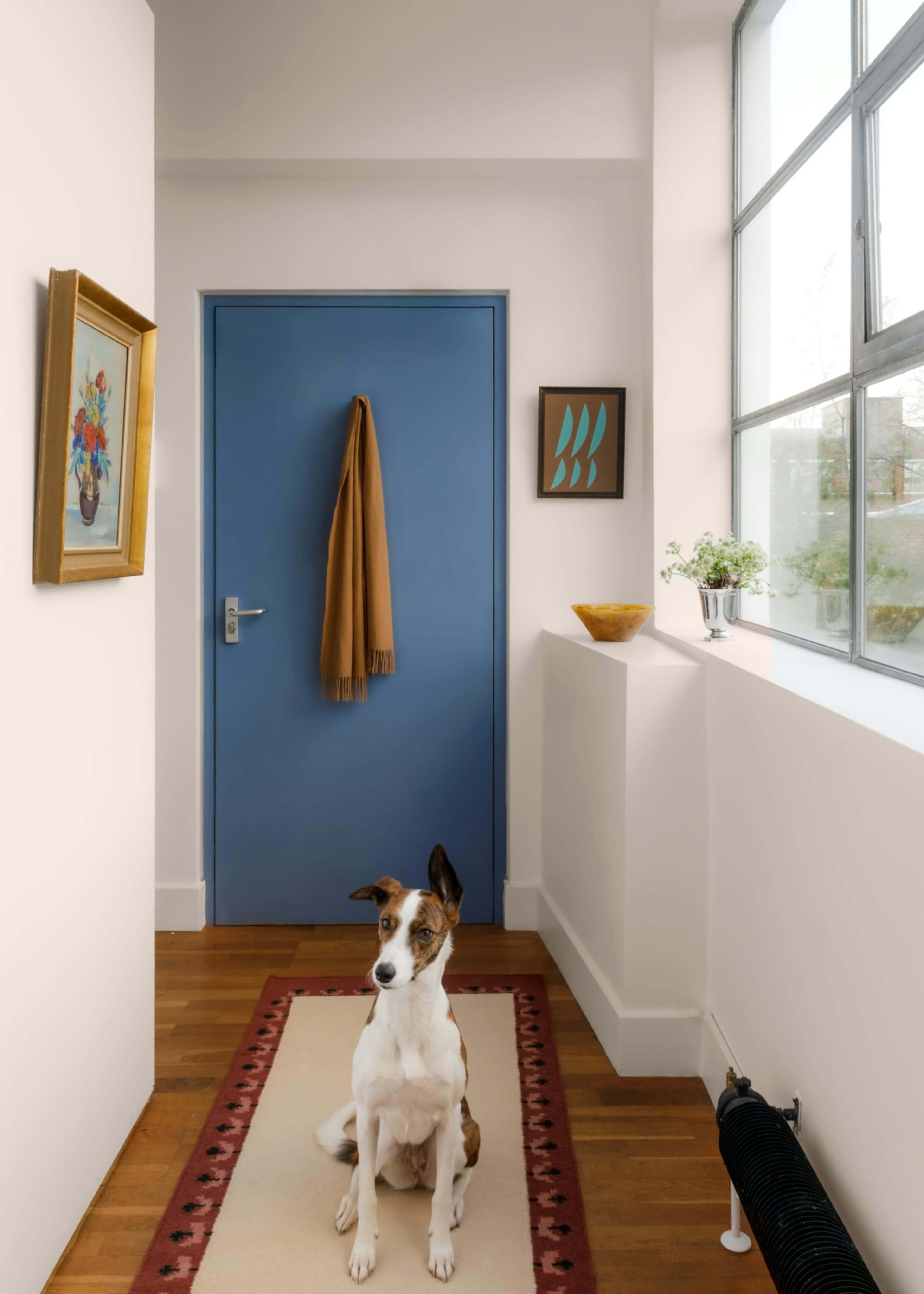
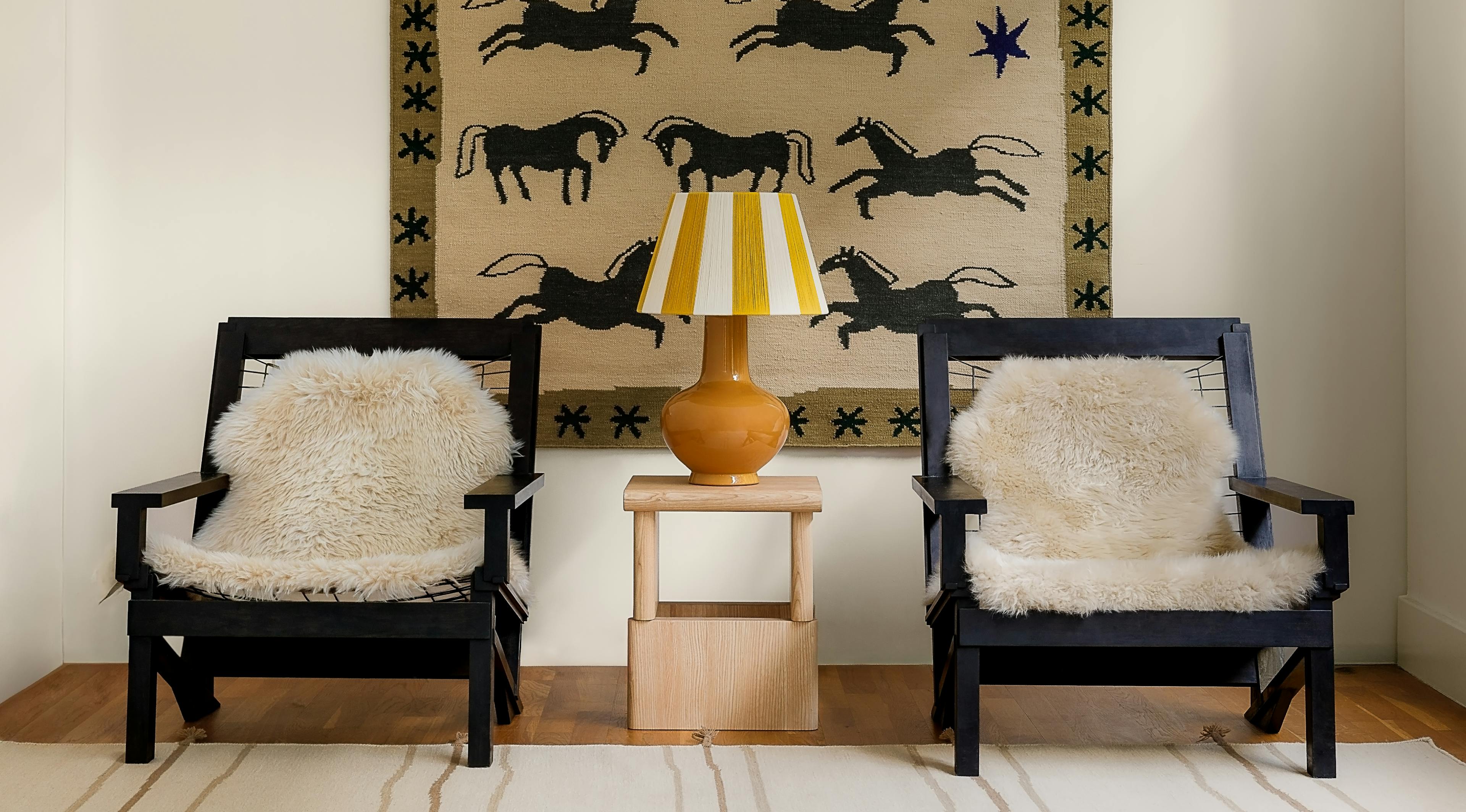
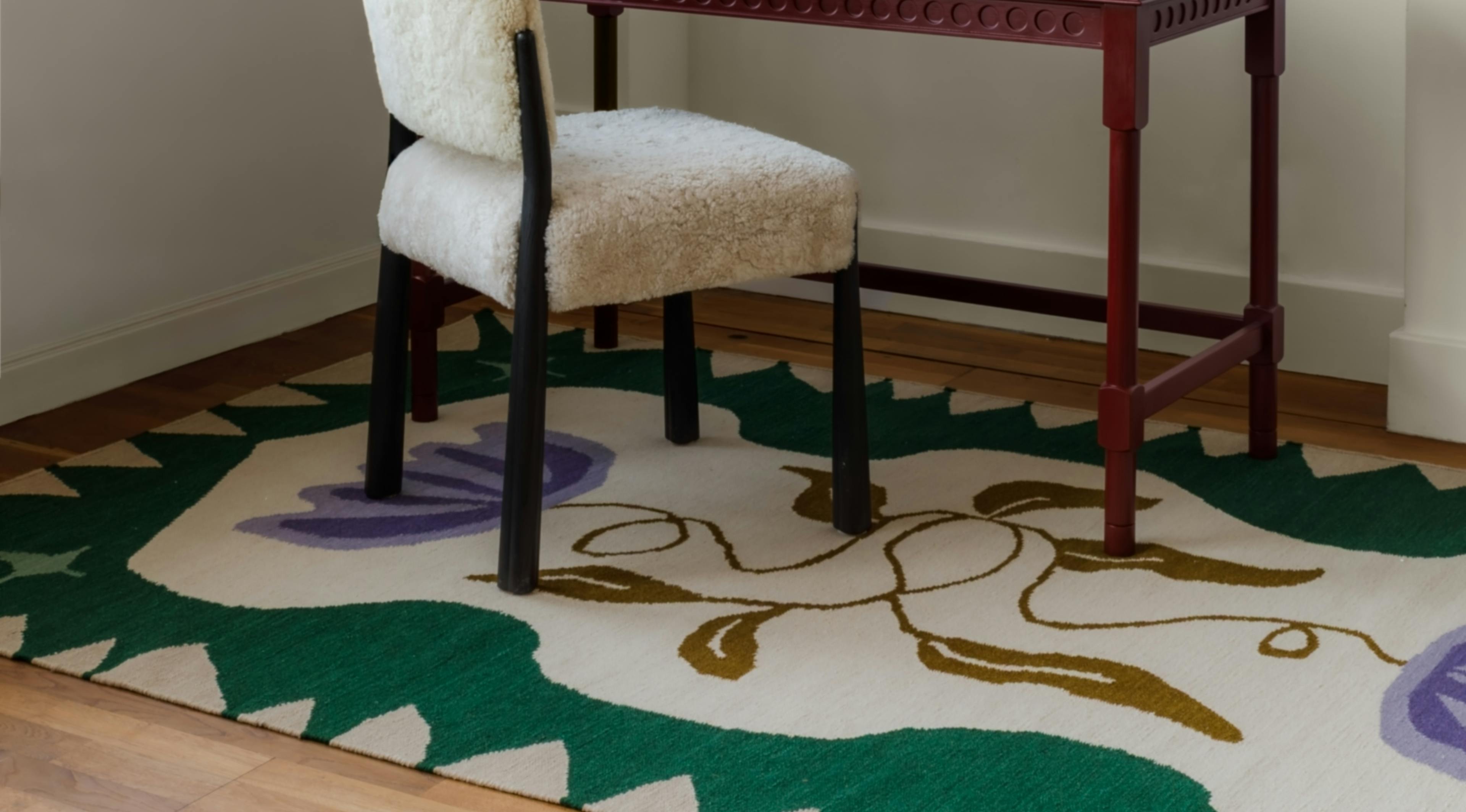
For many survivors of domestic abuse, stepping into an empty social housing property can feel overwhelming rather than hopeful. This International Women’s Day, we speak to Furnishing Futures and Shame Studios about Roots, a collaborative rug collection grounded in healing, dignity and care. Each piece is inspired by the story of a woman supported by the charity, translating trauma-informed and biophilic design principles into objects that bring warmth, safety and belonging to a space.

In this conversation, they reflect on how design can support recovery, why the details of a home, from colour to texture underfoot, matter more than we realise, and how meaningful collaboration can turn beautiful objects into tangible change. Through Roots, the interiors industry becomes part of a wider ecosystem of support, helping survivors move from surviving to truly feeling at home again.
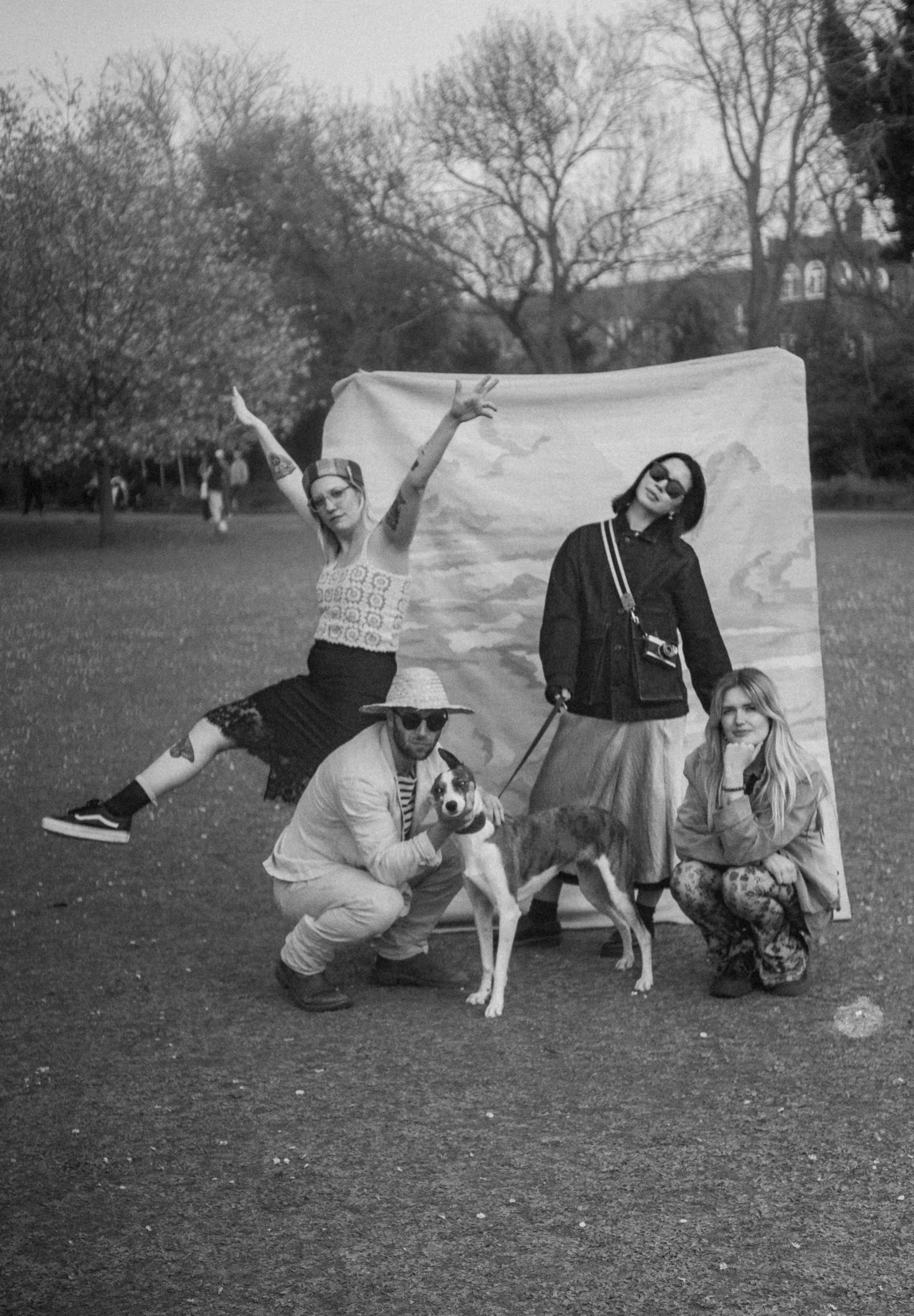
Image: Shame Studios Team
Image: Furnishing Futures Team
Interview
For anyone discovering you here for the first time, can you tell us a little about what you do - and the heart behind it?
Emily: Furnishing Futures is a charity based in London that fully furnishes the homes of domestic abuse survivors and their children who have been placed in empty social housing. We create beautiful fully furnished and decorated homes in partnership with the interiors industry, which donates the furnishings, and our work is survivor-led, trauma-informed and biophilic. We also provide holistic wrap-around services and support for survivors, to give them the best possible chance to start again and rebuild their lives in safety. Our work is supported by our beautiful retail and events fundraising space, The Atrium in Leyton. Shame Studios: We try to challenge the possibilities of what rugs can be and what they can mean, to be an unusual voice in the interiors industry that opens up space for new ways of working and creating. The heart of the work is facilitating equitable relationships between all stakeholders in the practice, from our weavers and dyers to our clients. In equity we can discover fresh creativity that cannot exist without the freedom equity creates. 
How did this partnership first come about? Was there a particular moment where you realised your worlds - design and trauma-informed homes - felt naturally aligned?
Emily: Shame Studios has been a hugely supportive partner to Furnishing Futures, donating rugs to survivors’ homes and volunteering time with our team before we embarked on the collection. Our values are very aligned, and so we were over the moon when Shame Studios offered to create a collection in collaboration with us that centres the trauma-informed, biophilic principles we follow and honours the stories of the women we support. Each rug is named after the alias for a woman we have worked with, and tells the story of how our approach through design has helped her to heal. Shame Studios: When we first heard about Furnishing Futures through Anna Luu, our Head of Operations, everyone on the team was incredibly moved by the project and by the stories of the families. It instantly felt like a project we wanted to get involved with and Sarah and Scarlett took up the challenge. It felt like a wonderful opportunity to effect positive change. We create objects for homes and of course it’s always our hope that the rugs we create can be transformative and will become storied heirlooms. With this project we were given the opportunity to create gentle, joyful, thoughtful objects that we believe will add a luxuriousness to any home which should be healing and grounding. That couldn’t feel more aligned with our values and goals, it’s been a great privilege to be a part of this project. 
You speak about creating “trauma-informed homes”, which feels both practical and deeply emotional. What does that really mean day-to-day - and why can something as simple as a rug matter so much?
Emily: Trauma-informed design means having an understanding of the impact of trauma on our minds and bodies, and using this understanding to make design choices that soothe the nervous system and won’t provoke a stress response. Whilst this is unique to each individual, it is also true that there are design principles we can follow, which we know will help to create a nurturing environment that is conducive to recovery. It is often these details, such as the colours or patterns on a rug, that can make all the difference to how someone feels about the space they are living in. 
Your pieces have always felt thoughtful and story-led. When designing Roots, how did you approach creating something that could feel not just beautiful, but genuinely comforting?
Shame Studios: Thank you! That’s very kind of you. We started the project with a simple idea, the luxury of the objects themselves, every home needs a stove, a bed, a sofa, a loo… these are the absolute basics that surviving without is very painful. A rug is an afterthought, a “nice to have”, a “wouldn’t it be nice”. It was this very sense of luxury that we felt offered so much value to the project, luxury is a demonstration of the greatest safety after all, we knew that these objects would instantly have the power to convey so much care and respect. Gifting a rug says to someone that they deserve to live well, not just scrape by, not just exist, but that they deserve to be honoured and thrive.   Starting from this point made us feel very relaxed, the principles of trauma informed design are intuitive, though I suspect we may have stretched the definition in a couple of instances in service to our trademark playfulness :) The project gave us space to play and was our head designer Sarah Lanes favourite project to tinker with. We gave it time and waited until it felt right, until the forms revealed themselves and became an obvious YES. 
Each rug is named after an alias chosen by a Furnishing Futures beneficiary and paired with her reflection. How did reading those stories shape the collection - emotionally as well as aesthetically?
Emily: The lived experiences of the survivors we support are at the heart of everything we do at Furnishing Futures. Their stories remind us of the importance of a safe and comfortable home for recovery, and how a nurturing home environment is fundamental to how we feel about ourselves, our safety and our place in the world. The rugs in the collection honour these women’s journeys and stand as powerful symbols of renewal, recovery and resilience, showing how having a healing home helps restore survivors’ confidence, safety and dignity at a critical time.  Shame Studios: Statistics around inequality sadly all too often become ignorable. The photos and testimonials Furnishing Futures provide forces us to confront the reality of what living in a barren and stripped property feels like. This lent an urgency and mission to the design process as a sense of need prevailed over a sense of desire we so often work for. Shedding light on these powerful stories felt essential to the collection. Naming each rug after an alias allowed us to give an identity to a statistic, to invite a potential buyer to see how directly their purchase can transform a family’s home. 
The rugs are handwoven in Bhadoi, India, using centuries-old techniques. How did that sense of heritage and human craftsmanship feed into a collection centred on healing and renewal?
Shame Studios: One of the things that I think gives rugs their protective magic is the sum total of the humanity that is invested in them, the techniques used in this collection are literally millenia old and these pockets of production are some of the last places on earth making textiles in this way, each rug will have passed through the hands of maybe 20 craftspeople with many hours going into it from each. It’s this care and effort that imbues the textile with its soul and this soul that hopefully brings a spiritually protective animus to the home. It is also incredibly important to say that we work with Label Step to ensure that working conditions, pay and environmental impact are monitored and assessed to ensure the care and labour that goes into each piece is not of an exploitative nature. 
You see families walk into their newly furnished homes every day. What’s the shift you notice when a space feels cared for - rather than empty?
Emily: Less than 2% of social housing comes furnished, and survivors of domestic abuse are expected to move into completely bare properties that don’t even have flooring, window coverings or appliances - let alone any furniture. The condition of the flats is often shockingly bad, so for women who have fled abuse and left everything behind, it can feel deeply traumatic and overwhelming.  The women and children we support are often overcome with emotion when they see their new homes furnished and decorated for the first time. Mothers feel hugely relieved that their children will have beds to sleep in that night, somewhere to study and do homework and that they will be able to cook a meal together. Our work is completely transformative for the families, and survivors often tell us that our holistic support has saved their lives, taking them from surviving to thriving and that this is the first time they truly feel safe.
Launching on International Women’s Day feels symbolic. What does IWD mean to you within the context of this project - and the women it supports?
Emily: International Women’s Day is an important day to celebrate the unique gifts that women bring to the world, but also for highlighting the injustice and harm that women across the world face every day. Home is the most dangerous place for women due to domestic abuse, and we hope that the collection highlights the scale of the emergency, whilst also showing that by working together we can create positive change. Shame Studios: Roots has always been a collection which has moved organically. Our Head of Design, Sarah Lane, grew up in South Africa, a country with one of the highest rates of gender-based violence in the world. She felt compelled to design a collection which not only helped create a home but hopefully would provide a sense of peace and security to vulnerable women.  Historically a woman’s home has often been reliant on factors beyond their control. When finding our voice for this collection it felt important to Scarlett Paget, our Head of Marketing to focus on the sanctity of home, the empowerment of having a space to call your own. There felt like no other time to launch than International Women’s day, commemorating the liberation and equality of women globally, as well as celebrating their strength and resilience.  The atelier that we worked with to produce these rugs, is women owned. Sahar has supported this project from the get go and helped us make the one-for-one donation model possible.
For every rug sold, another will be donated. Why was it important that this wasn’t just awareness, but action?
Emily: This partnership beautifully demonstrates how good design can be a catalyst for social change, and by donating a rug for each one sold, Shame Studios is ensuring that survivors can experience these rugs and their grounding, nurturing qualities in the homes that we create. Shame Studios: This is our second partnership with a charitable organization, it’s a strand of our practice that we hope continues to grow and grow. Invoking the name of an organisation and saying publicly that we are engaging in activism, “doing good” if you will, is an incredibly serious responsibility and a very high bar to set yourself to clear. It’s terrifying that one could drift into a project that could be little more than virtue signalling or even worse borrowing the glowing good name of a charitable organization in order to buff up the name of one’s own slightly shabby, capitalist endeavour. It felt very important that engaging in this project was not self indulgent or self centered, that we could create a project that would provide real tangible benefit to the community who’s stories we are telling. 
The name Roots suggests grounding, belonging and new beginnings. What do you hope a woman feels when she stands on one of these rugs for the first time?
Emily: We hope that every survivor who receives one of these rugs knows that there is an ecosystem of support available to her through Furnishing Futures and the partnerships that make our work possible. And we hope that she feels grounded and supported, safe and held in the knowledge that her courage has led to a safer, brighter future for her and her children.  Shame Studios: “I hope she feels safe. Rugs have been a huge source of comfort and safety to me, they gave meaning to my life when it lacked it and they helped me rebuild my life when it fell apart. There is a tradition of Tibetan tiger rugs which were created to protect a monk’s body whilst they were meditating and unable to protect themselves, I always found this concept beautiful. A rug is designed to offer comfort and protect the body from the harshness and coldness of the rough ground, they delineate space and allow you to create a boundary where some people and things are allowed and some people and things are not. I find them magical in this regard and I hope that the women who stand on these rugs can take a deep breath and feel some of that magic, feel that they have arrived somewhere safe, where they have a support network for themselves and can offer support to those they care about.Where they have control of their environment and have space to build lives that are rich, happy and enjoyable.” Hector Coombs
SHOP NOWSHOP NOWSHOP NOWSHOP NOWSHOP NOWSHOP NOWSHOP NOWSHOP NOWSHOP NOWSHOP NOWSHOP NOWSHOP NOWSHOP NOWSHOP NOWSHOP NOWSHOP NOWSHOP NOWSHOP NOWSHOP NOWSHOP NOWSHOP NOWSHOP NOWSHOP NOWSHOP NOWSHOP NOWSHOP NOWSHOP NOWSHOP NOWSHOP NOWSHOP NOWSHOP NOWSHOP NOWSHOP NOWSHOP NOWSHOP NOWSHOP NOWSHOP NOWSHOP NOWSHOP NOWSHOP NOWSHOP NOWSHOP NOWSHOP NOWSHOP NOWSHOP NOWSHOP NOWSHOP NOWSHOP NOWSHOP NOWSHOP NOWSHOP NOWSHOP NOWSHOP NOWSHOP NOWSHOP NOWSHOP NOWSHOP NOWSHOP NOWSHOP NOWSHOP NOWSHOP NOWSHOP NOWSHOP NOWSHOP NOWSHOP NOWSHOP NOWSHOP NOWSHOP NOWSHOP NOWSHOP NOWSHOP NOWSHOP NOWSHOP NOWSHOP NOWSHOP NOWSHOP NOWSHOP NOWSHOP NOWSHOP NOWSHOP NOWSHOP NOWSHOP NOWSHOP NOWSHOP NOWSHOP NOWSHOP NOWSHOP NOWSHOP NOWSHOP NOWSHOP NOWSHOP NOWSHOP NOWSHOP NOWSHOP NOWSHOP NOWSHOP NOWSHOP NOWSHOP NOWSHOP NOWSHOP NOWSHOP NOWSHOP NOWSHOP NOWSHOP NOWSHOP NOWSHOP NOWSHOP NOWSHOP NOWSHOP NOWSHOP NOWSHOP NOWSHOP NOWSHOP NOWSHOP NOWSHOP NOWSHOP NOWSHOP NOWSHOP NOWSHOP NOWSHOP NOWSHOP NOWSHOP NOWSHOP NOWSHOP NOWSHOP NOWSHOP NOWSHOP NOWSHOP NOWSHOP NOWSHOP NOWSHOP NOWSHOP NOWSHOP NOWSHOP NOWSHOP NOWSHOP NOWSHOP NOWSHOP NOWSHOP NOWSHOP NOWSHOP NOWSHOP NOWSHOP NOWSHOP NOWSHOP NOWSHOP NOWSHOP NOWSHOP NOWSHOP NOWSHOP NOWSHOP NOWSHOP NOWSHOP NOWSHOP NOWSHOP NOWSHOP NOWSHOP NOWSHOP NOWSHOP NOWSHOP NOWSHOP NOWSHOP NOWSHOP NOWSHOP NOWSHOP NOWSHOP NOWSHOP NOWSHOP NOWSHOP NOWSHOP NOWSHOP NOWSHOP NOWSHOP NOWSHOP NOWSHOP NOWSHOP NOWSHOP NOWSHOP NOWSHOP NOWSHOP NOWSHOP NOWSHOP NOWSHOP NOWSHOP NOWSHOP NOWSHOP NOWSHOP NOWSHOP NOWSHOP NOWSHOP NOWSHOP NOWSHOP NOWSHOP NOWSHOP NOWSHOP NOWSHOP NOWSHOP NOWSHOP NOWSHOP NOWSHOP NOW

Related Stories