


The Bedside Lighting Edit
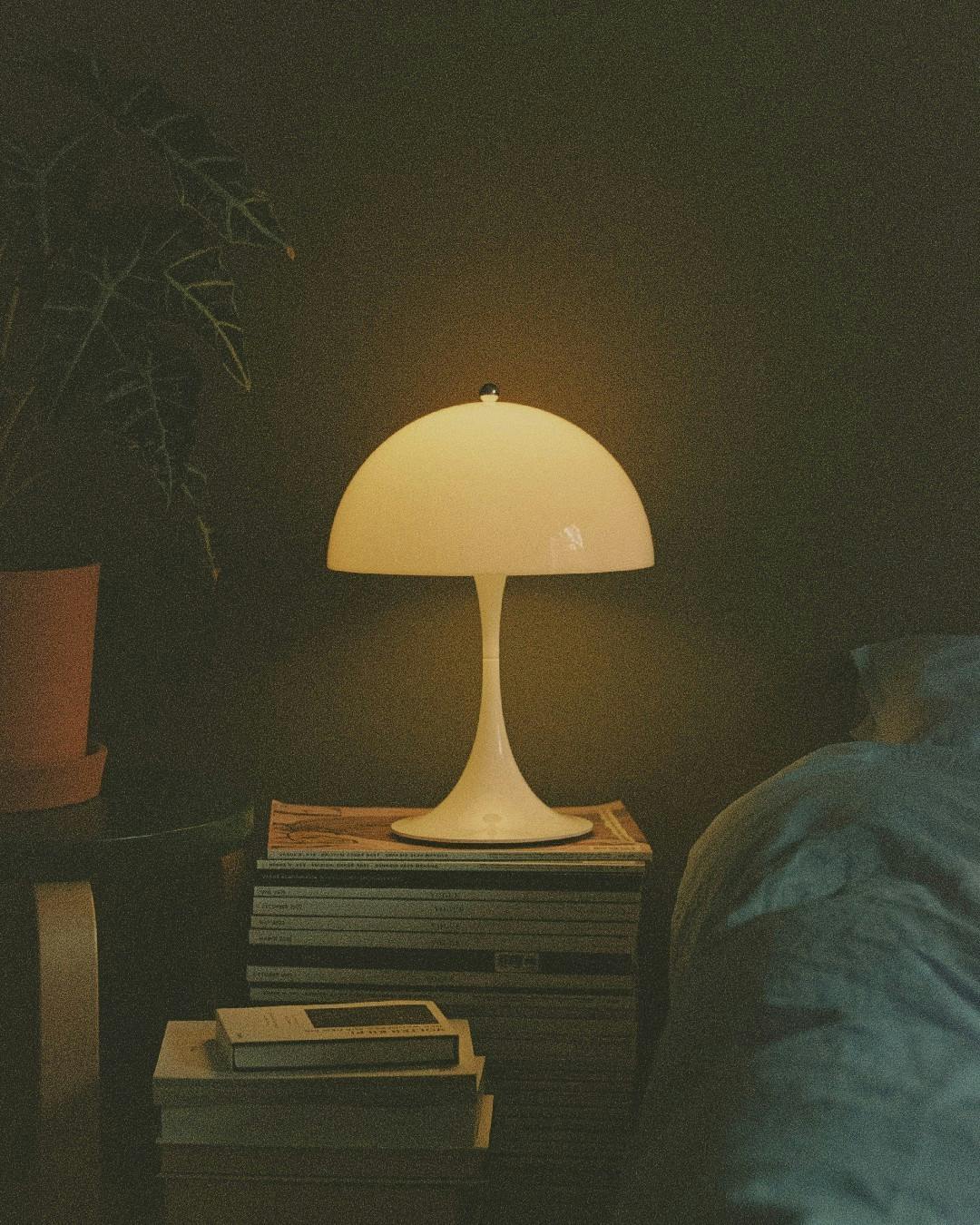
There are two types of bedside lighting. The first is a single bright lamp that makes you feel like you’re about to complete a tax return. The second is the kind you find in hotels: soft, low, flattering the lighting equivalent of a good robe. The difference isn’t just aesthetics. Bedside lighting is the thing that decides whether your evenings feel like a gentle landing or a hard stop. It’s what makes reading possible, makes your bedroom feel warm instead of functional, and (quietly) tells your brain it can start powering down. A good bedside set-up doesn’t need a full bedroom overhaul. It just needs the right light, at the right height, with a little bit of softness built in.
Why bedside lighting matters more than you think
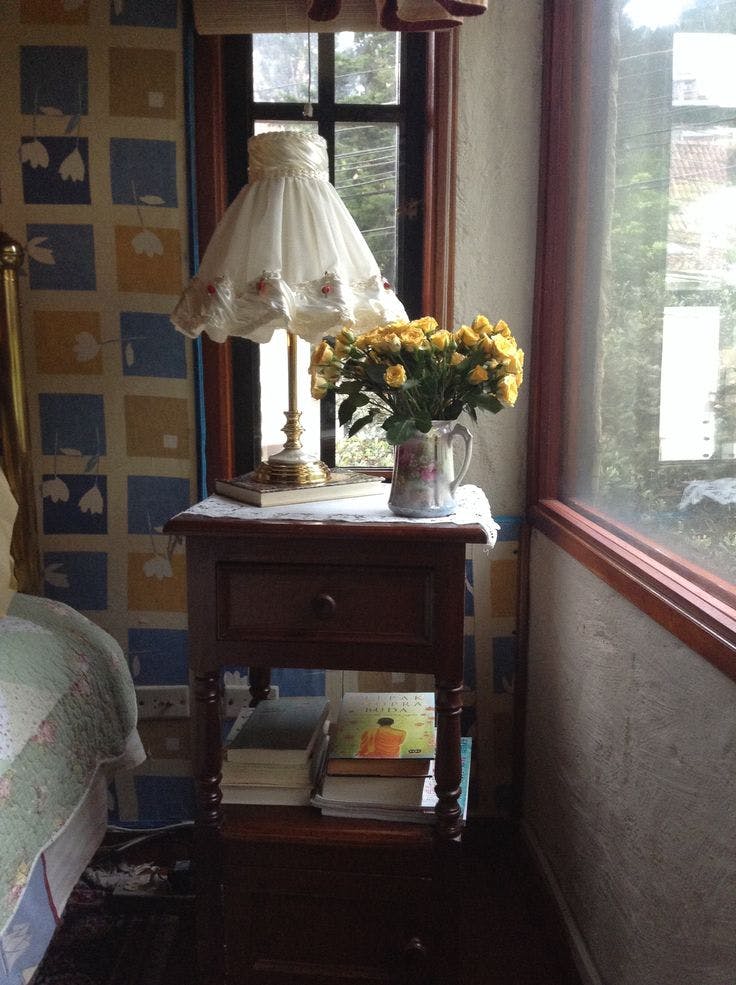
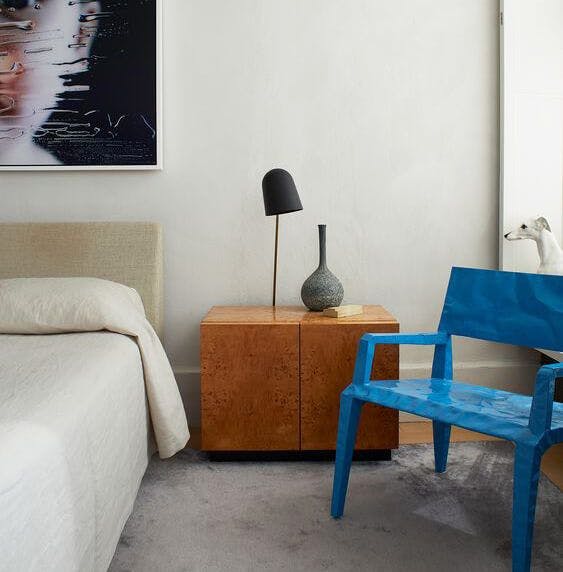
Bedside lighting isn’t just about being able to see your book. It sets the tone for the whole room and, by extension, your whole evening. When your bedroom lighting is harsh, high, or overhead, it keeps you in “alert” mode. You might not notice in the moment, but you feel it: the room looks flatter, your face looks tired, and winding down takes longer than it should.
Good bedside lighting does the opposite. It makes the room feel warm and enclosed (in a nice way), and it gives you a softer transition into sleep. If you’re working on your winter lighting plan, this is where the comfort payoff is highest. For the bigger picture of how light affects atmosphere, our pillar edit is here: https://www.glassette.com/discover/the-edited-space/the-glassette-winter-lighting-guide
Bedside lighting rule #1: no naked bulbs, no glare. If your bedside lamp makes you squint, or if you can see the bulb directly, the lighting will always feel harsher than it needs to. This is where a shade does almost all the heavy lifting.
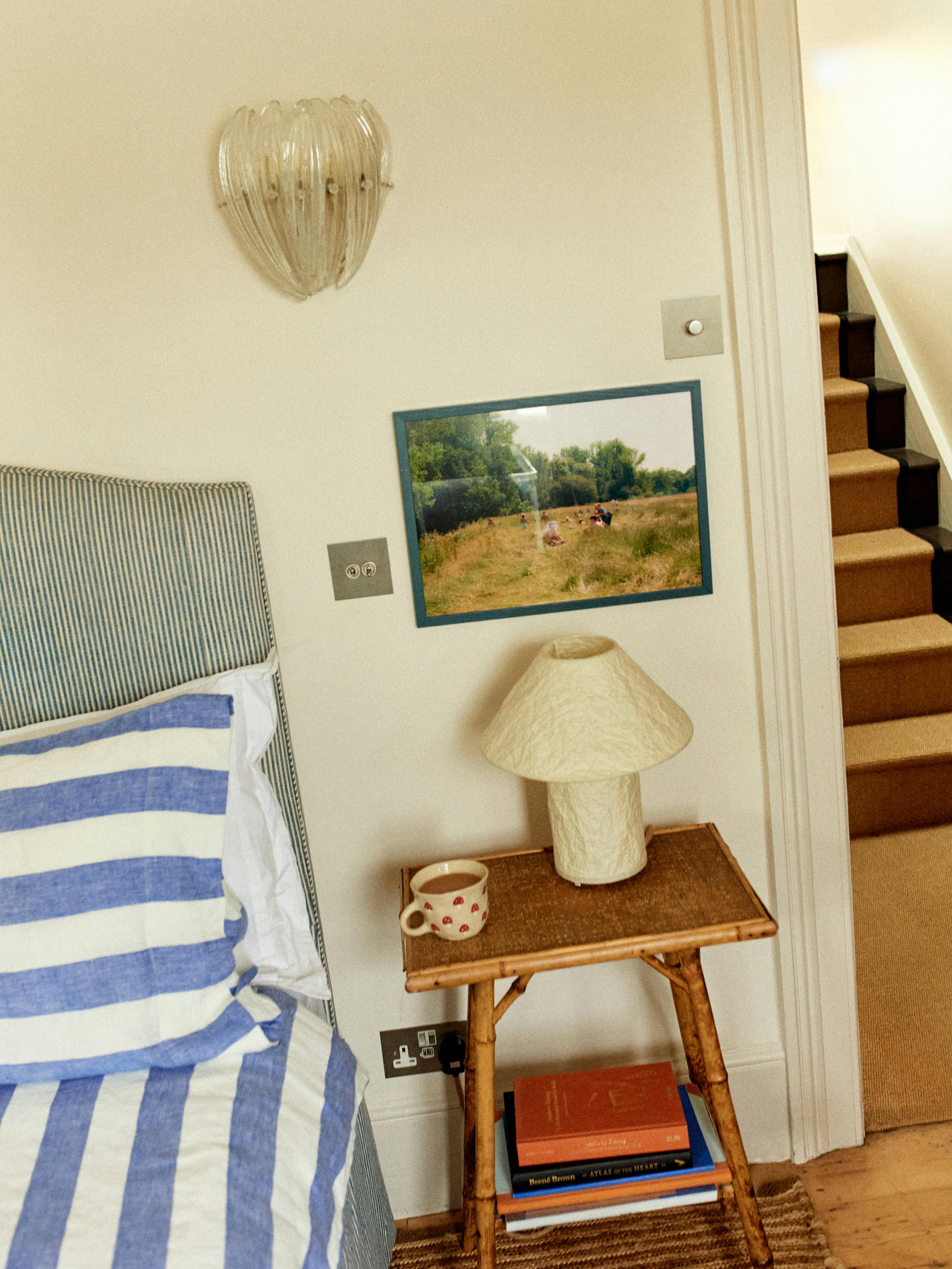
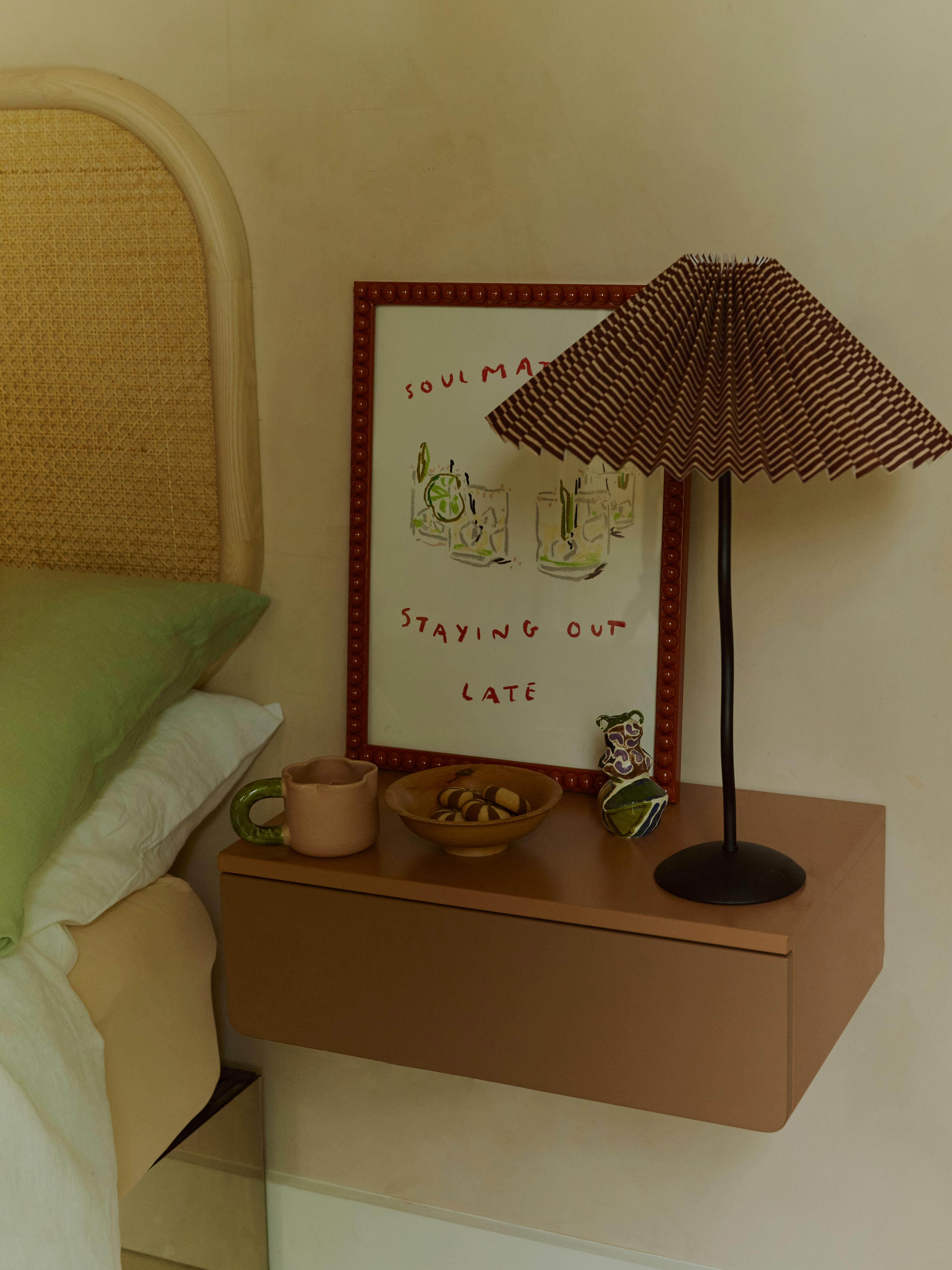
A good lampshade: diffuses the light so it feels soft reduces glare (especially when you’re lying down) adds texture - linen, pleats, raffia, paper makes even a simple lamp feel more expensive. If your current lamp is “fine” but the light feels wrong, try the shade first.
Bedside lighting rule #2: get the height right (it’s everything). Here’s the bedside lighting detail most people miss: height. The best bedside lamp height is one where the bottom of the shade is roughly around your eye line when you’re sitting up in bed - or slightly lower. Too high and it feels exposed. Too low and it doesn’t do the job.
A quick test: sit up in bed. If the lamp feels like it’s lighting your whole face, it’s too intense or too exposed. If it’s lighting the page and the room softly, you’re in the sweet spot. If you’re working with small bedside tables, a compact lamp with a softer shade is often the best solution.
The hotel trick: two lights, not one
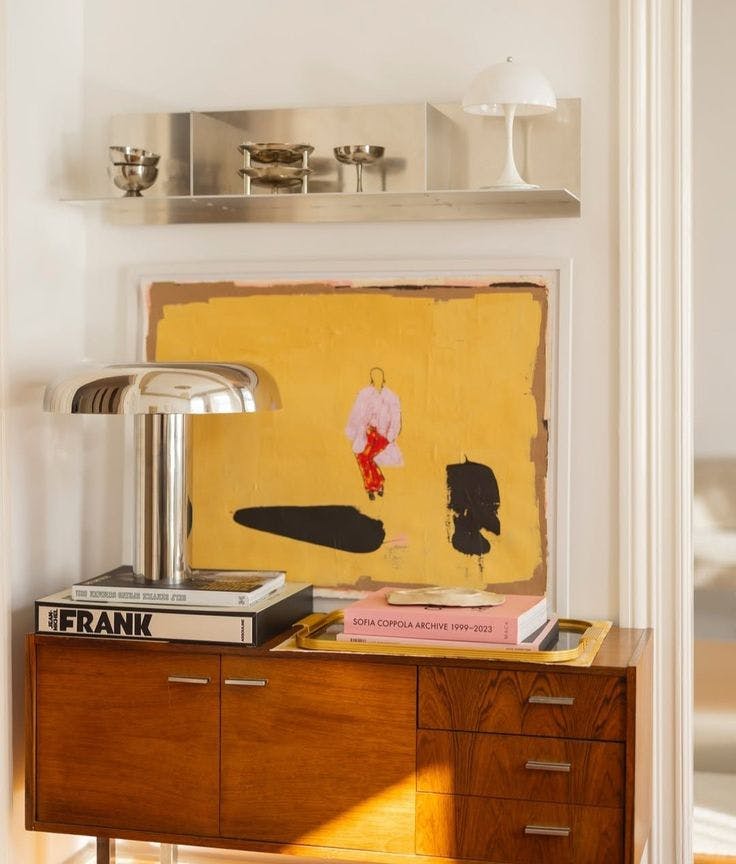
Boutique hotels always do this: two bedside lights. The reason is part practical, part psychological. Symmetry is calming. And it stops one side of the bed feeling like the “main character” side. If you can do two matching lamps, great. If you can’t, you can still create balance:
- one lamp + one wall light
- one lamp + one portable lamp on a shelf
- one lamp + a small uplighter across the room
The goal isn’t matching - it’s a bedroom that feels evenly lit and gently layered. If you want a guide to getting the overall room lighting right, our “Where to Put Lamps” layout is here: https://www.glassette.com/discover/the-edited-space/where-to-put-lamps
Wall lights, plug-ins, and renters: bedside lighting without a rewire. If bedside tables are tiny (or nonexistent), wall lights are the most elegant fix. They free up surface space and make the room feel more considered - like someone planned it, rather than “this is where the lamp ended up.”
If you’re renting, plug-in wall lights are the move:
- easy to install
- no electrician
- instantly hotel-ish
And if you want maximum flexibility, portable lamps work beautifully for bedside lighting because you can move them depending on the evening. Bedside lighting for reading (without waking yourself up). Reading in bed is one of life’s small joys - but it requires the right kind of light. You want a lamp that lights the page, not the whole room. The “too bright” reading problem usually comes from the light being too exposed or too central.
What works for bedtime reading:
- a shaded lamp with a slightly directional glow
- a wall light angled downward
- placing the lamp slightly behind you, not in direct line of sight
- warm light that feels cosy (not clinical)
And yes, your shade matters here more than your lamp base. A pleated or linen shade will always make reading light softer.
If you only do one thing for better bedside lighting:
Swap harsh lighting for a shaded bedside lamp (or wall light) and make sure the light sits at eye level when you’re sitting up in bed. That single change instantly makes evenings feel calmer - and makes your bedroom look better at night, which is half the point.
Best for… (quick picks)
- Best for tiny bedside tables: compact table lamps with soft shades
- Best for renters: portable lamps + plug-in wall lights
-Best for instant hotel softness: a lampshade upgrade
- Best for a full winter lighting plan: start with ambient light layers
Bedside lighting is one of those small home details that changes everything. It doesn’t just make your bedroom look better it makes your evenings feel better. Softer. Slower. More like a wind-down, less like a shutdown. If your bedroom currently relies on the overhead light and blind optimism, consider this your gentle permission slip to stop. A shaded lamp, the right height, switched on early and suddenly winter nights feel a lot kinder.


