How to Create a Calm Bedroom
Most of us want the same thing from our bedrooms: to switch off. But somewhere between laundry piles, over-bright lighting, and well-intentioned styling, calm can quietly slip away. Learning how to create a calm bedroom isn’t about chasing a minimalist ideal or copying a hotel room wholesale. It’s about understanding what helps your nervous system slow down, softer light, fewer decisions, materials that feel good to touch, and then shaping the room around that. Calm isn’t a look. It’s a feeling you notice when you exhale.
How to Create a Calm Bedroom Starts with What You Remove
Before adding anything, take things away. Visual clutter is the fastest way to undo calm. Clear bedside tables, edit surfaces, and relocate anything that doesn’t belong to rest - paperwork, gym kits, charging stations with a tangle of wires. Bedrooms benefit from fewer objects with clearer roles. If you’re serious about how to create a calm bedroom, think less about styling and more about subtraction. Space is part of the design.
Choose a Soft, Limited Colour Palette
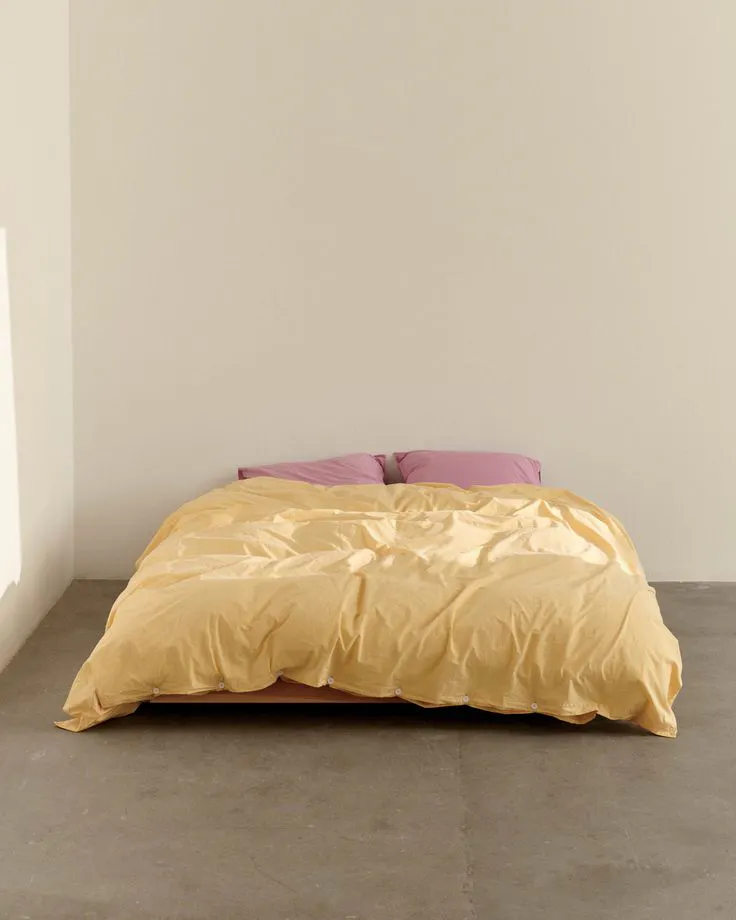
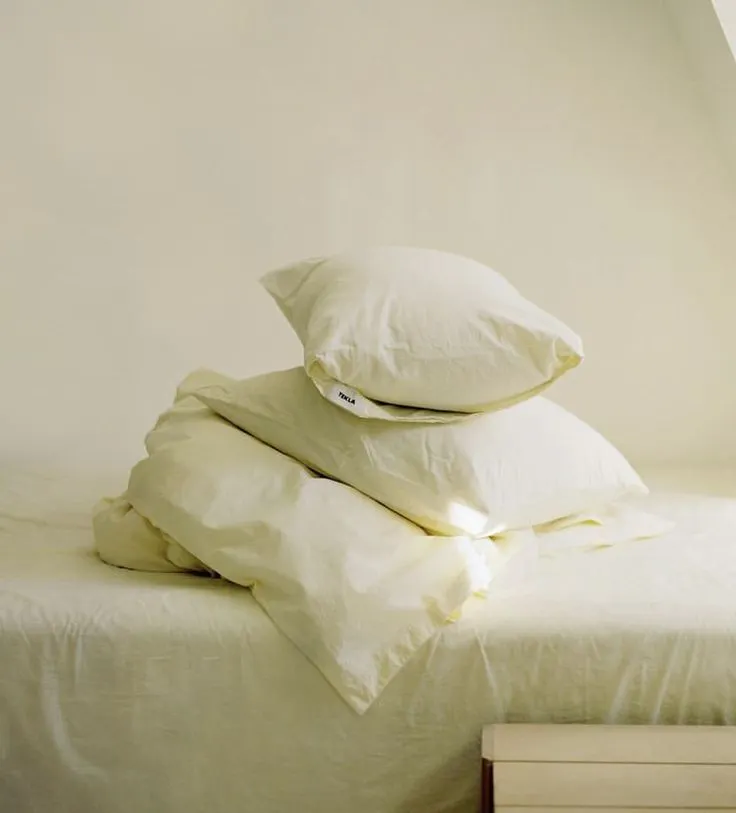
Calm bedrooms are rarely high contrast. That doesn’t mean boring - it means cohesive. Soft whites, warm neutrals, muted pastels, and earthy tones all work well. The trick is to stay within one colour family and layer shades rather than mixing opposites. Cream with oat. Chalk with soft grey. Clay with faded blush. This approach underpins most successful calm bedroom ideas, because your eye isn’t constantly adjusting. It can settle.
Let the Bed Do the Heavy Lifting
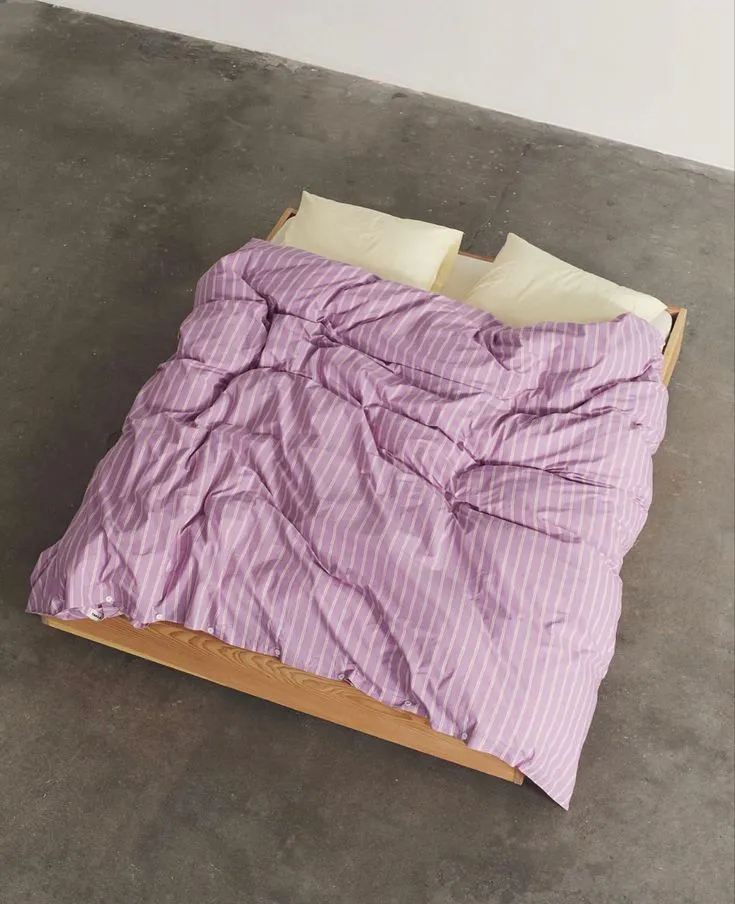
If there’s one place to invest when you want to create a calm bedroom, it’s the bed. Crisp, breathable sheets and a generous duvet instantly shift the mood of the room. Layer bedding simply - fitted sheet, flat sheet if you like one, duvet, pillows - then add one textured element for softness. A washed cotton or linen bedding set, like the Secret Linen Store 100% Linen Duvet Cover (https://www.glassette.com/brands/secret-linen-store), brings comfort without visual fuss. Finish with a single throw draped at the foot of the bed, relaxed, not folded.
How to Create a Calm Bedroom with Lighting (Not Just Lamps)
Lighting is often the missing link in calm bedrooms. Overhead lights are useful, but they shouldn’t be the only option. Aim for at least three light sources: bedside lamps, ambient lighting, and something low-level for evenings. Warm bulbs are essential. So are shades that diffuse light rather than spotlight it. A ceramic or stoneware lamp with a fabric shade, like the Hannah Simpson Studio Table Lamp (https://www.glassette.com/brands/hannah-simpson-studio), casts a flattering, restful glow. If you can, put lights on dimmers. Calm is adjustable.
Use Texture Instead of Pattern
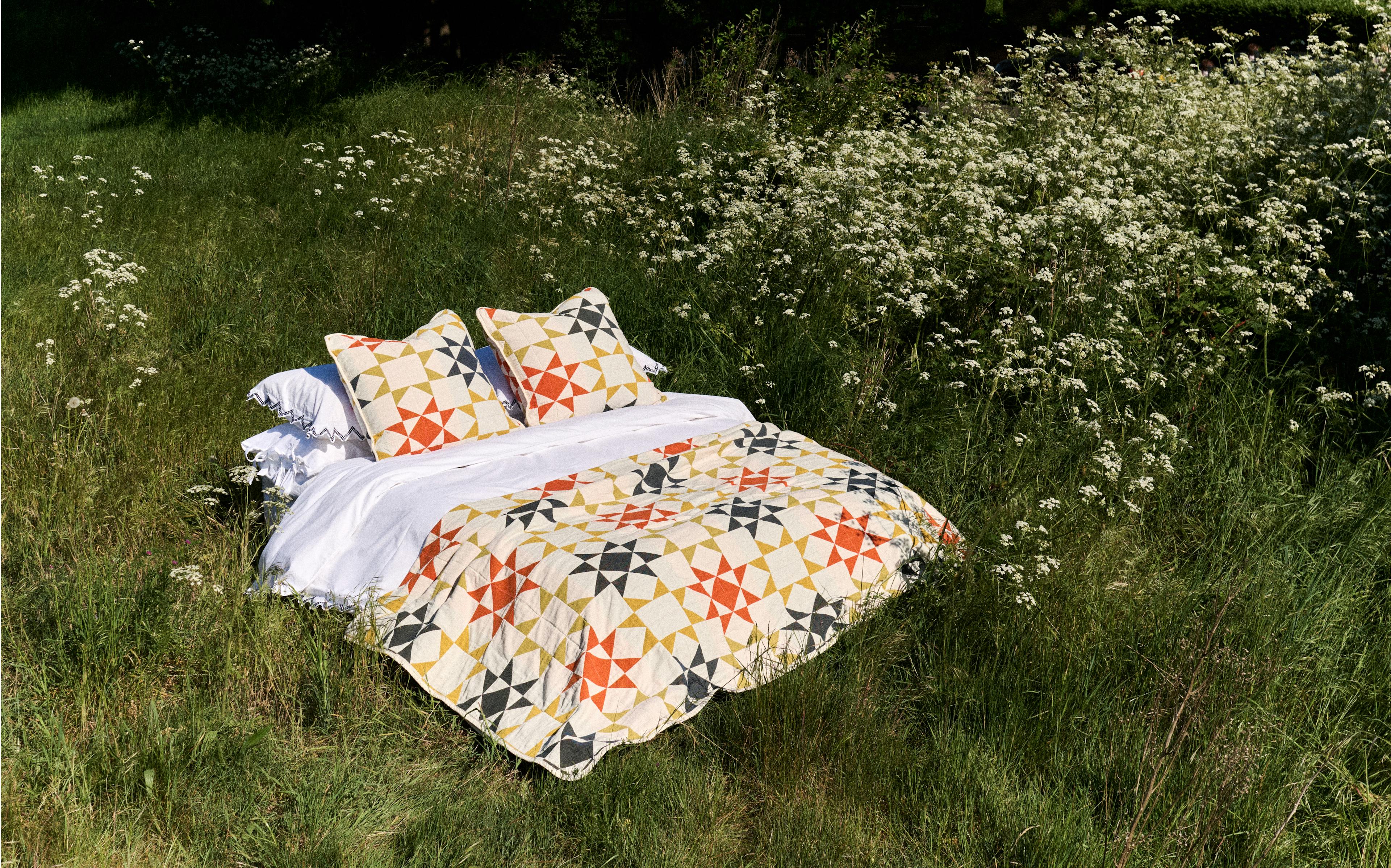
Pattern can be stimulating. Texture is soothing. To create a calm bedroom, layer materials rather than motifs: linen, wool, cotton, timber, ceramic. This keeps the room visually interesting without making it busy. A handwoven rug underfoot, a quilted bedspread, or a wool cushion can all add depth while staying quiet. Try a tactile piece like the Simpatico Natural Dye Handwoven Rug (https://www.glassette.com/brands/simpatico) for warmth without weight.
Art Should Soften the Room, Not Command It
Bedrooms don’t need gallery walls. They need focus. One small piece of art - thoughtfully chosen and hung lower than usual - can anchor the space emotionally. Look for calm imagery, muted tones, or something slightly abstract that doesn’t demand interpretation. This is a subtle but powerful calm bedroom idea: art that gives the eye somewhere gentle to land.
Keep Storage Closed and Easy
Open storage can look beautiful, but in bedrooms it often reads as visual noise. If you want to know how to create a calm bedroom that stays calm, prioritise closed storage wherever possible. Bedside tables with drawers, wardrobes that shut properly, baskets that conceal rather than display. The easier it is to put things away, the calmer the room will remain day to day.
If You Only Do One Thing…
Edit your bedside area down to three things: a lamp, something you genuinely use (a book or glasses), and one comforting detail. Remove everything else. The immediate sense of quiet is often surprising.


