


How to Organise your Pantry
There’s a particular kind of low-level stress that comes from an unorganised pantry. The half-open bag of rice shoved behind the cereal. Three jars of paprika (none of them full). Pasta shapes you don’t remember buying. A rogue stock cube avalanche every time you reach for the olive oil. And yet: the pantry is one of the most powerful spaces in the home. When it’s organised, the whole kitchen feels more functional. Cooking becomes quicker, shopping becomes cheaper, and you waste less food without even trying. This guide is a simple, Glassette-style approach to pantry organisation: warm, realistic, and rooted in how people actually live. No colour-coded perfection required. Just a pantry that makes sense.
What pantry organisation actually means (and what it doesn’t)
Let’s be honest: most “pantry organisation” content online is secretly about aesthetics. Perfect jars. Matching labels. A suspicious lack of half-used lentils. Real pantry organisation is different. It’s about creating a system where:
- you can see what you have,
- you can reach what you use,
and nothing gets forgotten until it expires in the shadows.
A well-organised pantry should reduce effort. If your system requires constant decanting, re-labelling, or decanting your decanted goods… it’s not a system. It’s a hobby. The best pantry organisation is simple enough to maintain on a tired Tuesday.
Step one: empty everything
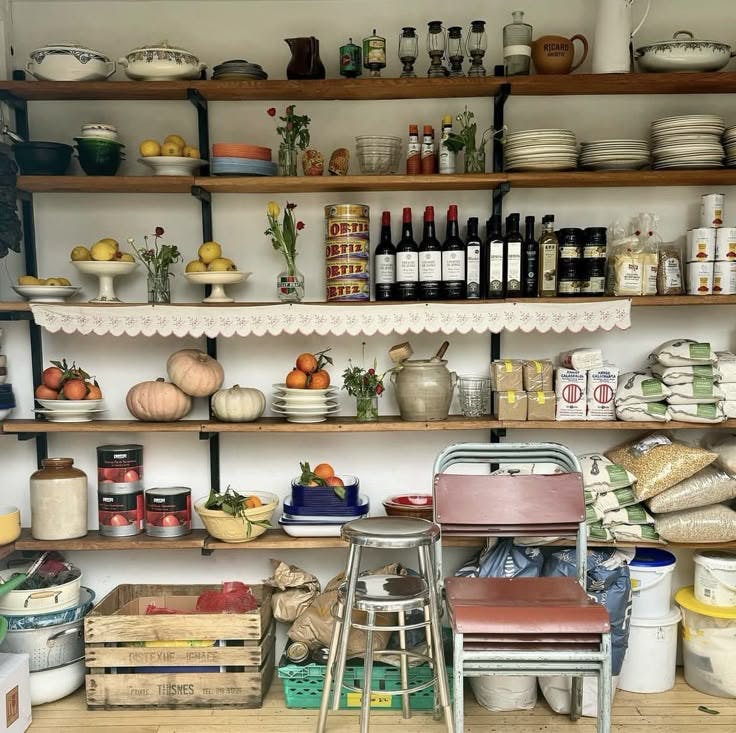
This is the unglamorous part, but it’s non-negotiable. To properly organise your pantry, you need to see it clearly. Pull everything out. Wipe the shelves. Check expiry dates. Throw away anything that’s: out of date, stale, duplicated beyond reason, or something you bought once in an optimistic health spiral. This step alone is often the biggest transformation. Pantry organisation isn’t about buying containers first - it’s about editing. Sort into categories that match how you cook. Once everything is out, group items in a way that reflects your habits. Good pantry categories include:
- Pasta + grains
- Tinned food
- Baking
- Snacks
- Breakfast
- Spices + seasoning
- Oils + vinegars
- Tea + coffee
If you cook often, you might want an “everyday cooking” zone (olive oil, salt, pepper, stock cubes, soy sauce). If you bake occasionally, baking can go higher up. This is the secret to pantry organisation that lasts: create zones based on frequency, not just food type.
Label
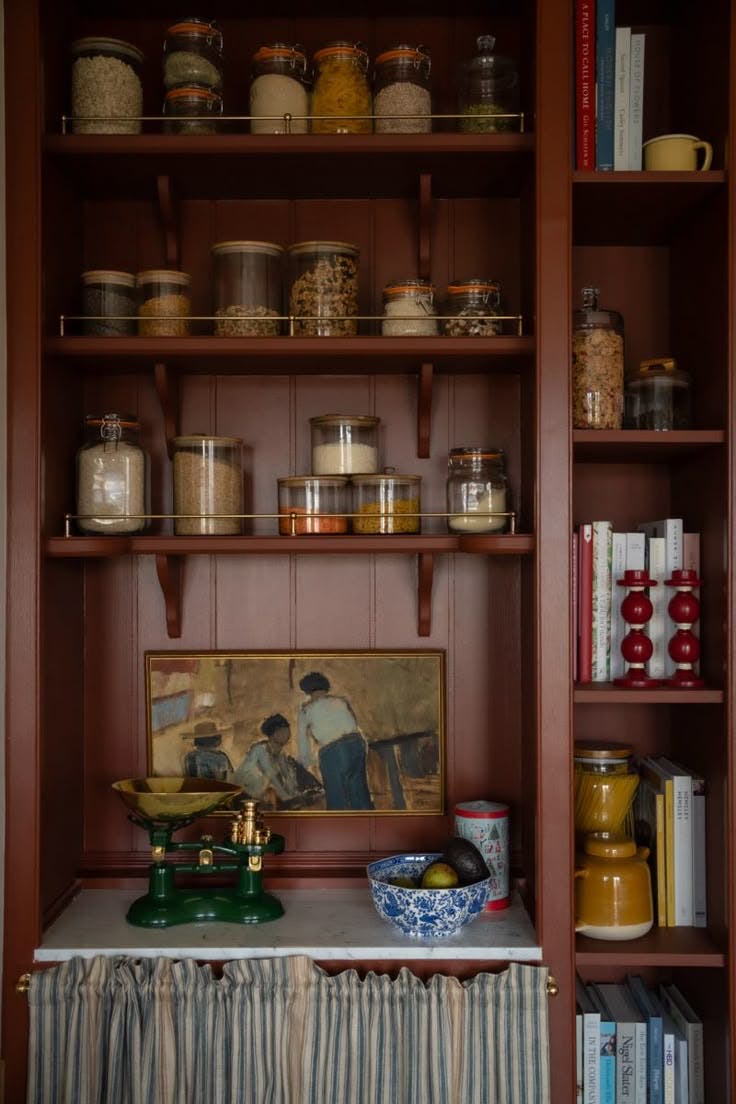
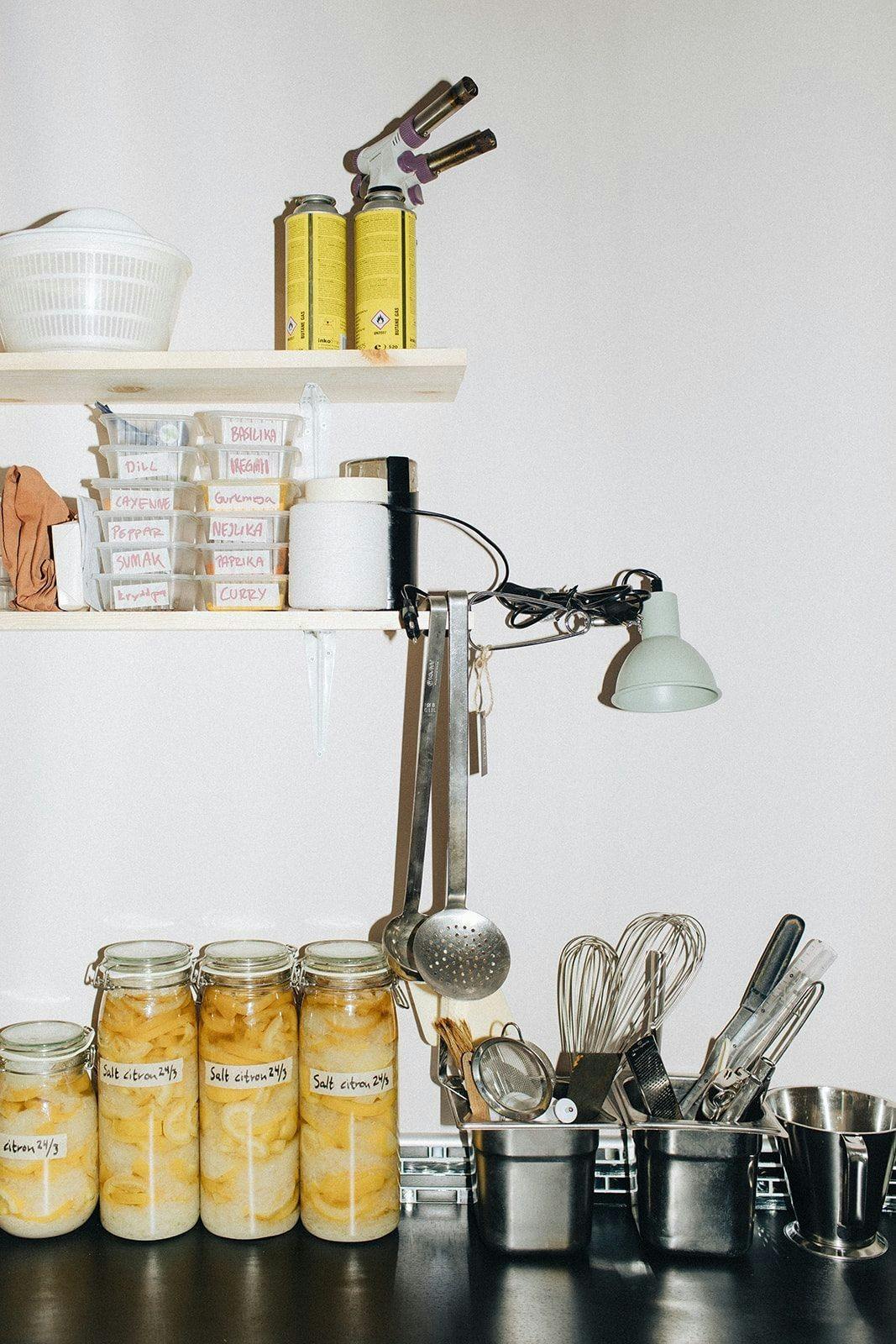
You don’t need a label maker unless it sparks genuine joy. A simple handwritten label is often better: warmer, less fussy, easier to update. Label these things:
- anything decanted
- anything that looks similar (flour / sugar / oats)
- anything you’ll forget (chia seeds, cacao nibs, obscure grains)
Minimal labels keep pantry organisation functional - without tipping into “Pinterest performance”.
Create one “grab zone” for snacks and quick meals
If you have children, a busy schedule, or simply a strong relationship with crisps, a snack zone is essential. A grab zone might include:
- cereal bars
- nuts
- crackers
- instant noodles
- popcorn
- dried fruit
This prevents the whole pantry being rummaged through daily. It also makes it easier to keep the rest of your pantry organised, because chaos is contained. For extra calm, use a simple basket system. One basket for sweet snacks, one for savoury, one for lunchbox bits. Easy.
Store spices and oils
Spices are often the pantry’s most chaotic category: tiny jars, duplicates, mysterious blends. Here’s a simple pantry organisation fix:
- keep everyday spices in one tray or shallow box
- group by cuisine if helpful
- store refills separately
If you want one upgrade that makes the pantry feel instantly more “pulled together,” move oils and vinegars into matching bottles. And yes: it makes even Tuesday-night cooking feel slightly more intentional.
Best for: people who want a pantry that stays organised
If you want pantry organisation that lasts longer than a weekend, focus on systems that are easy to maintain:
- clear zones
- decant only the staples
- eye-level everyday items
- a contained snack area
- a backstock shelf
The goal is not a perfect pantry. The goal is a pantry that doesn’t unravel the moment you do a big shop.


